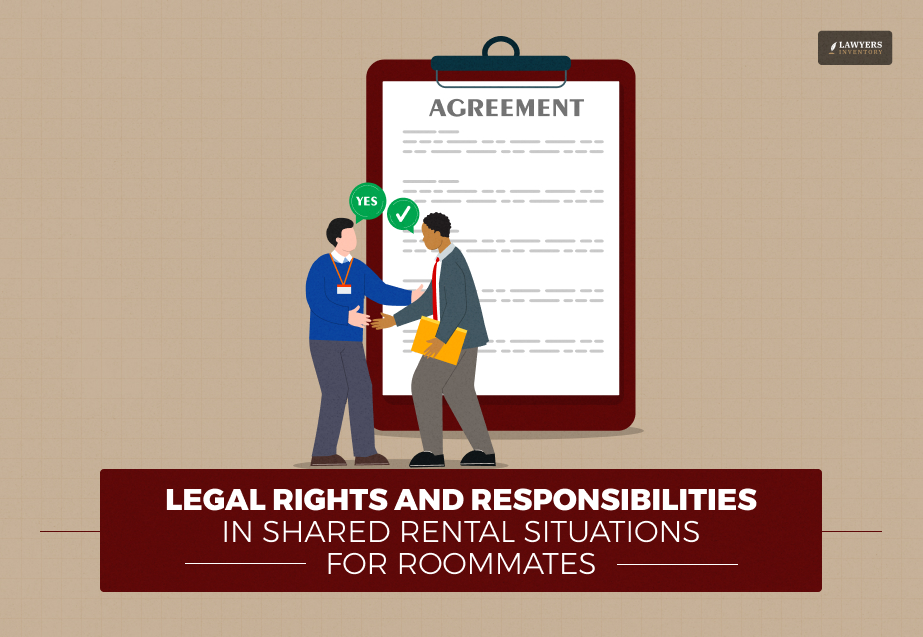
Quick Answer

Roommate agreement rules, from a legal standpoint, are effectively a mutual contract between housemates only. Although the document can act as a legal one, how and to what extent it can be a legal protection is very dependent on the nature of obligation - money-related ones (courts take these seriously) versus living-style ones (which courts are not at all bothered about).
Sharing housing with others involves many daily chores. Proper planning keeps you stress-free. The rental agreement only binds the tenant and the landlord. In contrast, roommate agreements detail internal household operations.
These private contracts outline expense splits. They establish household cleaning routines. They also lay down ground rules for shared spaces like the kitchen and bathroom.
Written agreements become valid legal tools. You can utilize these tools during household disputes. They protect you financially and emotionally. This protection ultimately prevents any type of conflicts between roommates.
What Are Roommate Agreements?
A roommate agreement is a private, legally binding contract between co-tenants sharing a rental unit. While distinct from the master lease signed with a landlord, this contract establishes vital operational boundaries to prevent future legal disputes. [Source: FindLaw]
Even among close friends, setting clear expectations protects your peace of mind and provides a clear mechanism for conflict resolution.
A comprehensive agreement must detail both financial duties and daily household rules. Financially, it specifies exact rent percentages, utility splits, payment due dates, and security deposit return protocols.
This written accountability safeguards you because landlords often hold all tenants jointly liable for any single roommate’s unpaid balance.
Behaviorally, the agreement outlines negotiable “house rules” that civil courts expect you to self-manage. It sets strict policies regarding quiet hours, parking spaces, pet permissions, and overnight guest limits.
Additionally, a detailed cleaning schedule eliminates friction by dividing chores for shared spaces like kitchens and bathrooms. Finally, the contract must define maintenance rules for repairing communal appliances and detail the formal process for early lease termination.
By putting these terms in writing, you create a fair arrangement that holds every cohabitant legally accountable.
Roommate Agreement Rules: Legal Rights And Responsibilities Of Shared Rentals
Roommate agreement rules can cover several topics from electricity bills to the daily chores in a shared rental space. And in case I have not made it clear yet, these rules are very important.
This is because they clearly state the responsibilities of each roommate. Additionally, they also explain the rights as well as the expectations of the roommates in their shared living space.
“But we are great friends and we don’t really need it.” Trust me, I was also of the same opinion at first. And yes, it is great if that is really the case.
However, one great advantage of these rules and agreement is the fact that they also ensure that there are no misunderstandings, conduct, or potential legal disputes later on.
Here are a few things that you should keep in mind:
1. Walking Into Your New Lease
Your lease status determines your legal obligations. Joint tenants share equal responsibility for the full rent amount. Subletting a rental apartment means you sign a contract with an existing tenant. You do not deal directly with the property owner.
So, read the terms carefully before you sign anything. Always check the following in writing:
- Rent deadlines.
- Late fees.
- Repair duties.
This proactive step prevents costly arguments later.
Landlords only enforce the master lease agreement. They do not manage everyday roommate disputes. Therefore, you should draft a separate roommate contract.
Use this document to split utility bills evenly. Use it to assign household chores and establish clear overnight guest rules.
2. Splitting The Bills And Other Financial Matters
One of the biggest perks of having roommates is sharing the cost of living. Splitting rent, utilities and household expenses can lower your monthly bills, and sometimes quite significantly.
However, those savings only materialize if everyone pays their fair share on time. In terms of rent, you might opt for an even split, especially if the bedrooms are similar in size.
If one room is substantially larger or has its bathroom, you may negotiate a higher portion for that roommate.
In any arrangement, make sure it clearly states how much each person owes and when. The security deposit is another important cost that needs to be paid upon moving in.
If you and your roommates collectively paid one security deposit, you’ll need a plan for handling the refund at the end of the lease or if one person moves out early.
You don’t want to be left scrambling to track down someone’s portion of the deposit when you’re trying to move on.
Utilities, such as electricity, water, and internet, can all add up, and it’s tricky to know how much each person owes depending on consumption.
Splitting them evenly is easier, but ensure you discuss this so there are no conflicts later. Decide who will put each utility in their name or whether you’ll rotate them.
Then, track every payment meticulously (apps like Splitwise or Venmo can be your best friend here). Missed payments can affect everyone, so ensure accountability by setting firm deadlines and communicating clearly.
3. Managing The Day-to-Day Maintenance
Nobody wants a messy or badly maintained apartment.
However, messiness happens very frequently. People with different habits share the same space. Therefore, you must set clear ground rules for common areas. These areas include the kitchen, living room, and bathroom.
Shared responsibilities prevent anger over small housecleaning problems. For example, you can take garbage to the dumpster. Another roommate can clean the shared bathroom weekly. Alternatively, you can create a rotating chore list.
Writing these lists into a roommate agreement keeps the mood positive. Disagreements will still happen sometimes. This signed arrangement serves as a useful reference during arguments.
You must decide who calls the landlord for repairs. Your lease likely requires immediate fault reporting. Do not rely on a lazy roommate to make the call.
Talk through the process if you feel unsure. If you handle small repairs yourselves, save every single receipt. These receipts prove fair expense splits later.
4. Respecting Privacy And Personal Space
Joint living areas often create conflict. However, privacy laws protect your tenancy. Tenants hold an absolute legal right to the implied covenant of quiet enjoyment.
You maintain exclusive possession of your bedroom. Roommates cannot enter your private space without permission. They may only enter during urgent structural emergencies. Conversely, you must share common areas like kitchens and bathrooms respectfully.
Landlords cannot invade your living space without warning. They must provide advance written notice before entering for inspections or maintenance.
Unannounced landlord entries directly violate your tenant rights. If the landlord visits a specific cohabitant, that roommate must notify the rest of the household immediately.
5. Heading Off Conflicts Before They Escalate
Even the best friendships and agreements face minor conflicts. A roommate might play music too loudly at night. Another person might continually leave the kitchen in disarray.
A roommate agreement discusses early dispute resolution through honest dialogue. This chat can feel quite uncomfortable at first. However, talking is better than letting resentment build up.
You must remain calm during the talk. Present the specific issues that bother you. Propose realistic solutions for those issues. Do not start the conversation when anger is highest.
Instead, suggest a temporary cooling-off period to everyone. Have the conversation after a short while. This delay helps you reach a calm agreement. It also avoids future arguments.
Some local areas provide low-cost mediation services. Use these services when verbal negotiation fails. Mediators help handle unmanageable roommate problems.
You might face actual financial injuries. Your roommate might stop paying their rent share. Consider a small claims court action or an out-of-court settlement.
Legal means usually destroy your living relationship. However, lawsuits become a legitimate option when a roommate refuses to cooperate.
6. Changing Roommates Or Moving On
Not all roommate situations last forever. I know that it’s sad, but it is what it is.
People change jobs, relationships, or realize living together just isn’t working out. If you’re holding the lease, you can consider subletting your room when you need to leave early.
But you’ll usually need the landlord’s approval, and you should negotiate how the security deposit and monthly rent will be handled with your subletter.
Conversely, suppose you decide the whole lease no longer works for you. Breaking a lease can result in fees, so check your contract for early termination clauses.
The question is: How does your leaving impact your other roommates? They might have to cover your share if you’re on a joint lease. Try to be fair and transparent to avoid burning bridges.
The security deposit can become a serious point of contention when one roommate moves out before the lease ends. Document the room’s condition, gather any written agreement about the deposit split, and keep the landlord in the loop.
If you’re the one remaining behind, remove your departing roommate’s name from any lease or utility accounts to avoid liability for their future charges.
7. Understanding Eviction Risks
Next, it is important that you understand the risks of eviction when you are in a shared rental space. And while it is true that this is not really a fun topic, understanding how it really works is very important.
For instance, the landlord can serve eviction notices and ask you to leave in case you or your roommate forget to pay the rent. It can also happen if there has been a serious lease violation. For instance, these include issues like property damage or illegal activities.
Additionally, even if you faithfully pay your share on a joint lease, the landlord might still send you an eviction notice.
And guess what? It is generally because your roommate defaults. This means that, while you have made the payment for your part, the total rent is ultimately due.
If you’re not on the lease, and you’re just subletting from another roommate, that “head tenant” might have legal grounds to force you out for violations.
Conversely, if you’re both on the lease, you can’t simply evict each other; only the landlord, with legal cause, can remove someone. Always check with local laws and consult a legal professional if it gets to this point.
Practical Tips For Drafting Roommate Agreement Rules For A Healthier Shared Space
Roommate living involves massive daily responsibilities. Fortunately, simple planning and upfront organization keep your household running smoothly.
1. Written Agreements
You must put every single financial agreement in writing. This includes your specific rent-sharing terms and rules for property damage.
You can easily download a standard roommate agreement template online. Tailor this document to fit your household’s exact needs.
2. Open Communication
Maintain open communication lines at all times. You do not need formal weekly meetings to discuss rules.
However, casual chats quickly resolve issues regarding split utility bills and cleaning chore rotations. Address your personal concerns early before major household conflicts develop.
3. Maintain Every Document
Finally, preserve every document you sign or discuss. Store physical copies of the master lease and your roommate contract safely.
Save all email chains and text messages regarding shared expenses or property maintenance. If a serious legal dispute arises later, these written records verify your original verbal agreements.
Leave A Reply






Hung Jury vs. Mistrial: What Is The Difference And Why It Matters
Read More
NarodniyDimUkraina: An Overview Of The Kyiv-Based Brand Preserving Ukrainian Craftsmanship
Read More
What Is A Mistrial? Legal Definition, Causes, And What Happens Next
Read More
What Is A Sequestered Jury? Legal Definition, Process, And Everything You Need To Know
Read More
What Is A Hung Jury? Legal Definition, Causes, And What Happens Next
Read More
0 Reply
No comments yet.