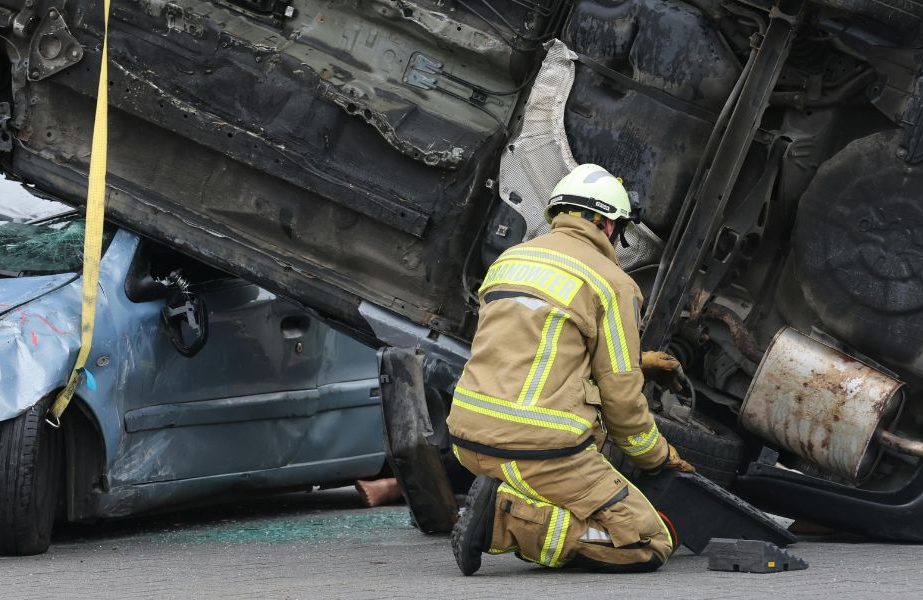
Car accidents happen fast, and many people never expect the moments leading up to them. Knowing why they happen gives you a better chance to stay safe and understand what matters when protecting your rights.
Besides that, having a clear understanding of the causes of such an accident also ensures that you know with whom the car accident liability lies.
In this article, we will be breaking down the following things:
- What are the common causes of car accidents?
- How to prove car accident liability?
- Practical safety habits that can prevent car accidents.
- How to protect your rights after a car accident?
Therefore, if these are a few things that you want to know, keep on reading this blog till the end…
Common Causes Of Car Accidents
Below, we’ll look at the causes that appear, how each one affects a claim, and the steps that help people respond with more confidence.
1. Distracted Driving: The Leading Cause Of Preventable Collisions
Distracted driving happens when someone’s attention slips away from the road, even for a moment, and it changes everything.
A quick look at a message or a snack in one hand seems small, yet those small choices can create situations drivers never expect, according to recent texting and driving statistics.
Most distractions feel harmless until a close call proves otherwise. Simple habits like putting the phone out of reach or setting directions before moving help more than people realize, though it often takes practice to keep distractions away.
When a crash happens due to a distracted driver, understanding your rights becomes something you should not ignore, even if it feels confusing at first. That is usually when people decide to seek auto accident legal help in Boca Raton, since clear advice can guide you during stressful situations.
2. How Aggressive Driving Impacts Accident Severity
Speeding changes how a driver reacts, and the difference is way bigger than people expect at first. When a car moves faster, it needs lots more space to stop, and any quick problem on the road becomes harder to handle, even when someone thinks they are being careful.
Aggressive habits can make moments that already feel stressful seem even heavier. Tailgating or squeezing into lanes or rushing through traffic turns small mistakes into bigger risks.
Higher speeds make accidents far worse, since the force hits harder at higher speeds. This is when injuries get more serious and cars end up damaged beyond repair.
Police reports, skid marks, and witness comments help show whether a driver was speeding or acting aggressively, and these pieces matter when people look for answers. When everything lines up clearly, it becomes easier to understand exactly what caused the crash that happened.
3. Weather, Road Conditions, And Mechanical Failures
Rain, fog, and poor lighting can change the road in an instant, surprising drivers. Wet pavement reduces grip. As a result, normal turns or stopping can feel different. And people often forget how quickly something like this can shift.
Some drivers overlook how seasonal changes affect their vehicles, yet rising temperatures, cold mornings, or shifting humidity levels can influence tire pressure and battery performance.
Mechanical failures create danger when parts weaken slowly over time. Poorly maintained brakes, worn tires, or steering issues can occur suddenly, which is why taking photos, noticing weather changes, and saving maintenance records becomes valuable.
This information shows whether the danger came from conditions around the driver or from the car itself and helps explain how the crash unfolded.
Legal Principles For Establishing Liability: How To Prove Car Accident Liability?
Most personal injury cases involve the establishment of liability through the legal concept of negligence, which requires the demonstration of four main elements:
- Duty: The other driver was obligated to drive in a reasonable manner and not harm you (e.g. follow traffic laws).
- Breach of Duty: The other driver did not meet that requirement (e.g., they were texting while driving, speeding, or ran a red light).
- Causation: It was the other driver’s violation of the agreement that caused the accident and, therefore, your injuries/damages.
- Damages: You, literally, lost something (injuries, medical bills, property damage) as a result of the accident.
The standard of proof in a car accident claim case is the preponderance of the evidence. In essence, this means that you only need to show that it is more likely than not that the other party were at fault.
Practical Safety Habits
Safe driving habits start with a series of small decisions. If someone simply takes the steps that keep them alert and their vehicle ready, the possibilities of having unexpected problems will be less. Some of the habits that you should always remember are these:
- Do not follow the car in front of you too closely so that you have a space to respond when a situation changes.
- Look at your mirrors frequently and be conscious of what other drivers are doing around you.
- Prepare your route, music, or temperature adjustments before starting the car so that your hands and eyes are where they should be.
- If you are the one responsible for these parts, make sure that your tires, lights, and brakes are in good condition. This is because they are the parts that most often help you in sudden situations.
- Reduce your speed in heavy traffic or bad weather even if you are confident because the conditions can change very quickly.
- Keep your cool if another driver makes a mistake. However, keep in mind that by reacting with patience, you can stop a small moment from turning into something bigger.
Such habits help drivers to be safe and calm without feeling pressured. Besides, they are especially important when a personal injury settlement lawyer is there to support you.
Especially when it comes to cases after a serious crash. How? Well, they do this by guiding you through the steps and helping you understand what choices will protect you moving forward.
Protecting Your Rights
Memories fade much faster than people expect. Some of the things that will help you later are:
- Photos.
- Contact details.
- A quick note about what you saw.
Though you should avoid admitting fault, since even harmless comments can be misunderstood.
Understanding who witnessed the crash can also strengthen your position, since neutral observers often notice details drivers miss.
Reaching out politely for their statements or contact information preserves evidence. This can clarify what happened when accounts differ or responsibility is questioned.
Insurance companies may act warm and calm at the beginning, but many still try to pay less than they should.
Watch your language and keep copies of every message or call, it is a way of self-defense, especially when you know what auto insurance covers and what it does not.
An attorney will:
- Clarify your options.
- Maintain the files in order.
Additionally, they will be your compass while you make decisions that not only affect your recovery but also your future.
Most vehicle accidents result from small incidents in which a person diverts their attention or does not react in time. Thus, the accidents demonstrate how things can become worse very quickly.
Therefore, in the end, your actions become equally important. Besides, the following things are very important:
- Proper documentation.
- Considerate communication.
- Obtaining the correct support.
Ultimately, these will enable you to deal with insurance problems and liability questions more effectively and with greater assurance.
Leave A Reply







What Is A Business Entity? A Simple Guide For New Business Owners
Read More
When Should You Take A Criminal Charge Seriously?
Read More
Who Is Responsible For Pest Problems In Dallas Rental Properties
Read More
Considering A Sexual Abuse Claim? Know What Legal Support Offers
Read More
0 Reply
No comments yet.