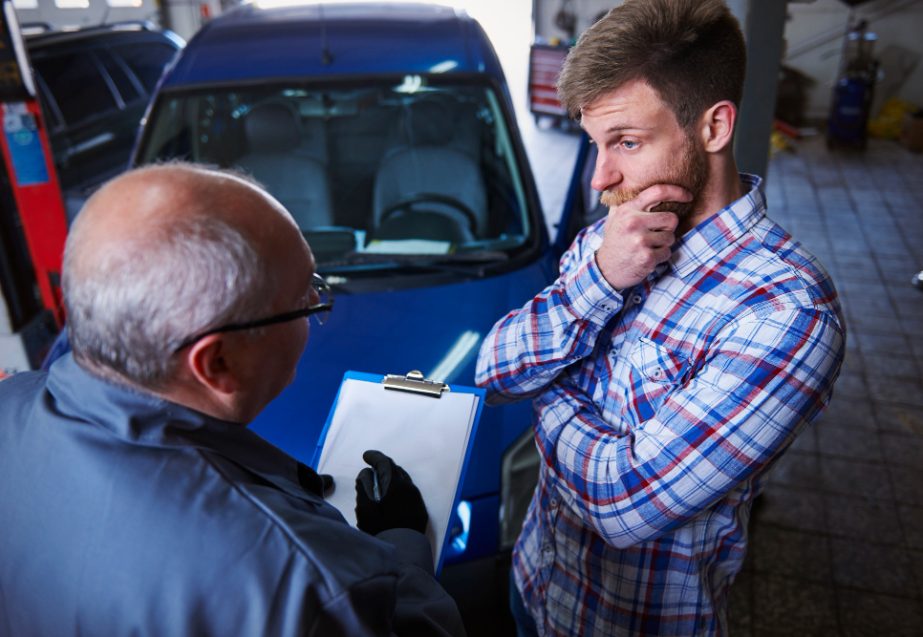
The crash itself may last only a few seconds. Everything that follows can stretch across weeks or months.
At the scene, most people are concerned with immediate problems: checking for injuries, moving somewhere safe, talking with police, exchanging information, and figuring out whether the car can still be driven.
The more complicated questions often arrive later.
Which insurance pays the medical bills? What happens if pain appears the following morning? Should the repair work happen immediately? What if the other driver’s insurer says its policyholder was not entirely responsible?
For someone injured in a Tampa car accident, the answers to what to do after a car accident in Florida can depend on Florida insurance law as well as the facts of the collision.
What Are The Things To Do After A Car Accident In Florida?
The first thing to do after a car accident in Florida is to call the police. Then, the following steps need to be followed.
Start By Keeping A Record Of What Happened
Memory is surprisingly unreliable after a stressful event.
A driver may clearly remember that another car entered the intersection but be much less certain a month later about which lane it came from, where the vehicles stopped, or whether anyone nearby witnessed the crash.
Photographs can preserve some of those details.
If it is safe to take them, useful images may include vehicle damage, the wider roadway, traffic lights or signs, debris, lane markings, and any visible injuries.
You should also save the contact information of the witness.
If law enforcement investigated the collision, Florida’s Traffic Crash Reports service explains how reports can be obtained through the Florida Department of Highway Safety and Motor Vehicles.
People trying to understand how evidence, insurance, and injury claims fit together may also review information from the Tampa car accident team at Anidjar & Levine as a local resource on the claims process after a Tampa collision.
None of this requires deciding at the roadside who should ultimately be held legally responsible. The immediate job is simply to keep information from disappearing.
Medical Care Has Its Own Timeline
Not every crash injury is obvious right away.
Someone may leave the scene with mild soreness and wake up the next day with significant neck or back pain. Headaches, stiffness, limited movement, or other symptoms can also become more noticeable once the initial shock of the collision fades.
Health concerns are reason enough to seek appropriate medical attention.
Florida insurance law provides another reason to understand the timing.
Under the state’s Personal Injury Protection statute, you must obtain necessary medical services within 14 days after the accident.
This is important so that you can apply for PIP medical benefits.
Florida PIP can provide medical and disability benefits subject to statutory limits and requirements.
The amount available for medical treatment can also depend on whether an emergency medical condition will last or not.
That is quite different from waiting indefinitely to see whether pain disappears.
Keep copies of medical records, bills, prescriptions, referrals, and instructions about work or physical activity. They are useful for treatment and also create a straightforward timeline of what happened after the crash.
Do Not Assume PIP Resolves The Entire Claim
Florida’s PIP system sometimes creates the impression that fault is irrelevant after a car accident.
That is too simple.
PIP can cover certain benefits without first deciding which driver caused the collision, but serious injury claims may still involve the other driver’s liability insurance and questions about negligence.
There can also be issues involving uninsured or underinsured motorist coverage, depending on the policies involved.
This is why reading the actual insurance documents matters. The declaration page can show coverages purchased and the applicable limits.
Do not assume that having “full coverage” answers the question. That phrase is commonly used in conversation but does not identify a specific package of benefits under Florida law.
Fault May Not Be All-Or-Nothing
Accidents are not always caused entirely by one driver.
Imagine that one vehicle makes an unsafe lane change while the other is traveling above the speed limit. Or one driver fails to yield while another is distracted.
Florida law allows responsibility to be divided.
Under Florida Statute 768.81, a person’s damages in covered negligence cases can be reduced according to that person’s percentage of fault. The statute generally prevents recovery when the claimant is found more than 50% responsible for their own harm.
That makes statements about the collision important.
There is nothing wrong with saying what you actually remember. Problems can arise when someone feels pressured to estimate a speed, distance, or sequence of events they do not really know.
Evidence may later answer those questions more accurately.
The Damaged Car Can Tell Part Of The Story
Vehicle damage is not only a repair problem.
Where each car was struck, the direction of the damage, and the severity of the impact may help explain how the collision happened.
Take photographs before repairs if possible. Save the repair estimate and towing paperwork.
In a serious or disputed accident, other information may also exist. Nearby businesses may have cameras. Modern vehicles may contain electronic data. Dash cameras or residential security systems occasionally capture a collision without the drivers realizing it at the scene.
That material does not remain available forever.
Businesses routinely overwrite old video, car repairs take place, and witnesses become harder to locate. Evidence often has a much shorter practical life than the lawsuit itself.
Keep Track Of What The Accident Is Actually Costing
Hospital invoices are easy to recognize as accident-related expenses.
Other losses can accumulate more quietly.
A person may miss several shifts because driving is painful. Someone else may have to take unpaid time off for physical therapy appointments.
Transportation costs may increase, and repairing the damaged vehicle becomes important.
Keep records rather than planning to calculate everything later.
Pay stubs, employer correspondence, medical invoices, pharmacy receipts, and repair documents can help show what actually changed financially after the collision.
For a longer recovery, it may also be useful to keep a simple record of important medical appointments and work restrictions.
This does not need to become a daily diary filled with legal language. Dates and basic facts are usually much easier to work with than months of reconstructed memories.
Be Careful With An Early Settlement
An insurer may make an offer before medical treatment has finished.
That can be appealing when bills are already arriving.
The important question is whether you understand the long-term consequences of the injury or not. A settlement usually resolves the claim rather than leaving it open indefinitely in case additional treatment becomes necessary.
Someone who is still waiting for diagnostic testing, specialist appointments, or a clearer prognosis may not yet have a complete picture.
It is not merely because resolving the claim quickly sounds convenient.
A Claim Also Has A Legal Clock
Insurance discussions do not keep a lawsuit available forever.
Florida’s current statute of limitations generally gives two years to commence an action founded on negligence.
Different claims and defendants can involve different rules. So, you should not use a general period to calculate the deadline in an individual case without checking the circumstances.
Waiting can also cause trouble well before two years have passed.
Video disappears, witnesses forget details, and you can lose the documents.
The Days After The Crash Matter
Regarding what to do after a car accident in Florida, most people leaving an accident scene do not know whether the matter will become a significant injury claim.
They do not need to know immediately.
What they can do is protect the basics: get appropriate medical care, save photographs and paperwork, obtain the crash report, understand the insurance coverage, keep track of financial losses, and avoid guessing about disputed facts.
Those steps do not determine who will win an insurance dispute or what a claim may eventually be worth.
They simply preserve a clearer record of what happened before the details of one stressful afternoon become much harder to recover.
This article provides general information about Florida law and is not legal advice for an individual case.
Leave A Reply








What Is A Business Entity? A Simple Guide For New Business Owners
Read More
When Should You Take A Criminal Charge Seriously?
Read More
Who Is Responsible For Pest Problems In Dallas Rental Properties
Read More
Considering A Sexual Abuse Claim? Know What Legal Support Offers
Read More
0 Reply
No comments yet.