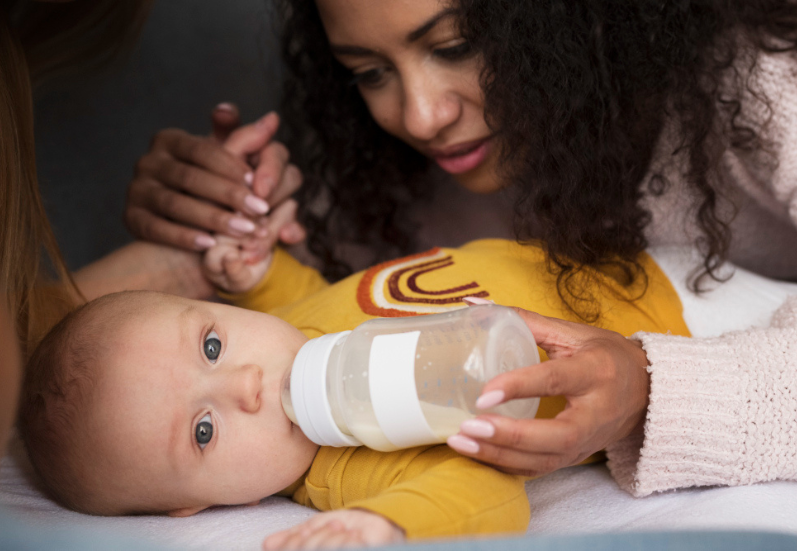
Today’s topic: Baby Formula NEC lawsuit
When a baby ends up in the NICU, parents are usually too overwhelmed to think about anything beyond, “Is my child okay?” You lean on the nurses, the specialists, the machines humming in the background—basically whoever seems to know what they’re doing.
What almost no one imagines is that the formula used in the NICU could come with hidden risks. But lately, studies (and a wave of lawsuits) have brought up serious questions about cow’s milk-based formulas and their connection to necrotizing enterocolitis, or NEC, in premature babies. It’s one of those topics most parents wish they didn’t have to learn about, but here we are.
In this article, we will talk about the following things:
- Why is NEC dangerous in baby food?
- What is the baby formula NEC lawsuit about?
- Steps parents should take.
- What is the Baby Formula NEC lawsuit settlement compensation amount?
Therefore, if these are a few things that you need to know, keep on reading this blog till the end…
Understanding NEC: The Hidden Dangers Of Baby Formula In The NEC
Before we get to the baby formula NEC lawsuit, let us clear up a few things regarding what NEC is and how it harms the child.
What Is NEC?
NEC is one of the scariest conditions preemies can face. It mainly targets premature infants, and it doesn’t tiptoe in—it causes inflammation in the intestines and can lead to tissue death if it gets severe. Babies with NEC often wind up going through surgeries, long recovery periods, and extended NICU stays that wear down even the strongest families.
Law firms involved in NEC cases aren’t just filing paperwork; they’re helping parents understand what happened, what their options are, and how to move forward. When you’re grieving or just trying to survive day by day, having someone guide you through the legal maze can actually be a relief.
Doctors still don’t have one neat explanation for NEC. It seems to be a messy mix of factors: the baby being born early, certain bacteria, and an underdeveloped digestive system that’s not ready for the usual feeding routines. Whatever the cause, the entire situation puts a massive emotional—and often financial—strain on the family.
Now add the growing research showing a link between NEC and certain formulas, especially ones made from cow’s milk. Suddenly, something that seemed routine doesn’t feel routine anymore.
The Link Between Certain Baby Formulas And NEC Incidence
Medical researchers have been raising red flags about cow’s milk-based formula for a while now. Premature babies who receive it appear to have a higher chance of developing NEC. One possible reason is that their immature digestive systems can’t break it down properly. That alone is enough to make any parent take a step back.
Human milk—whether from mom or a donor—has built-in antibodies and protective components cow’s milk just doesn’t offer. Donor milk fortified with human-milk-based fortifiers is considered a safer choice, but many NICUs still stick with cow’s milk-based products. Why? Sometimes cost. Sometimes supply. And sometimes the system is simply slow to change.
Parents usually trust the NICU team’s feeding decisions, but when the risks aren’t clearly explained, that trust can leave families in the dark. More parents, and even some NICU staff, are pushing for feeding guidelines that actually reflect what research is telling us now.
What Is The Baby Formula NEC Lawsuit About?
Lawsuits claim that baby formula companies didn’t properly warn parents and doctors about the increased danger of necrotizing enterocolitis (NEC) in premature babies who were fed cow’s milk formulas. The evidence we have points to these products being extra risky for these little ones.
The lawsuits say that Abbott and Mead Johnson should have warned everyone about the NEC risk that comes with Similac and Enfamil. Instead, they kept selling them as if they were totally safe. NEC isn’t common, but when it happens, it’s really bad and can kill underweight and premature babies.
According to Drugwatch, Marie Smith is suing Mead Johnson and Abbott Laboratories because her premature baby, Amirea, died from NEC just two weeks after birth. Marie still has her daughter’s blanket and clothes to remember her by. A court decision won’t bring her baby back, but she is hoping to get the word out and save another family from going through what she did.
Legal Recourse For Families: Unpacking The NEC Lawsuit Process
If a baby gets NEC after drinking formula made from cow’s milk, many families naturally want to know why. A lawsuit isn’t always about being mad – it’s often about finding out what happened and trying to prevent it from happening to another kid.
Going to court can feel like a lot, especially when you’re still coping with everything. That’s where lawyers who know about medical mistakes and product problems really come in handy. They help parents figure out what counts as a mistake, what proof matters, and what to do next.
Putting together a case usually means looking at hospital papers, the type of formula used, how the baby was fed, and what doctors think. One of the biggest questions is if the formula had anything to do with the baby getting NEC.
Protecting Your Infant: Alternative Feeding Options In The NICU
With all the attention on the risks of cow’s milk-based products, NICUs and parents are taking feeding choices more seriously. Breast milk is still the top choice for preemies—it’s packed with protective elements that help their fragile digestive systems function better.
If breastfeeding isn’t possible, donor milk from certified milk banks is a strong alternative. Donors are screened, and the milk is pasteurized to make sure it’s safe. Human milk-based fortifiers can also help babies get the nutrients they need without exposing them to cow’s milk.
Some hospitals are beginning to update their feeding policies to prioritize human milk more strongly. Parents shouldn’t feel shy about asking questions or stating their preferences—this is their baby, after all.
Addressing NEC risks isn’t just a medical issue. It’s a community effort involving parents, healthcare workers, and sometimes legal advocates pushing for better standards across NICUs. Every conversation, every bit of awareness, helps move things toward safer practices for vulnerable newborns.
What Is The Baby Formula NEC Lawsuit Settlement Compensation Amount?
The NEC baby formula lawsuits are really picking up steam. We’ve already seen big wins in court, like $60 million in Illinois and almost $500 million in Missouri. This isn’t just guesswork anymore.
Juries have looked at the facts and made it clear that plaintiffs can hold companies responsible. They found that Abbott and Mead Johnson kept pushing Similac and Enfamil for premature babies, even though there were old worries about NEC risks.
If you’re filing a claim against these formula companies, you could get money to cover things like medical bills, lost pay, and the pain this has caused.
Lawyers think the average payout in an NEC lawsuit could be anywhere from $50,000 to over $500,000 per person.
Leave A Reply








What Is A Business Entity? A Simple Guide For New Business Owners
Read More
When Should You Take A Criminal Charge Seriously?
Read More
Who Is Responsible For Pest Problems In Dallas Rental Properties
Read More
Considering A Sexual Abuse Claim? Know What Legal Support Offers
Read More
0 Reply
No comments yet.