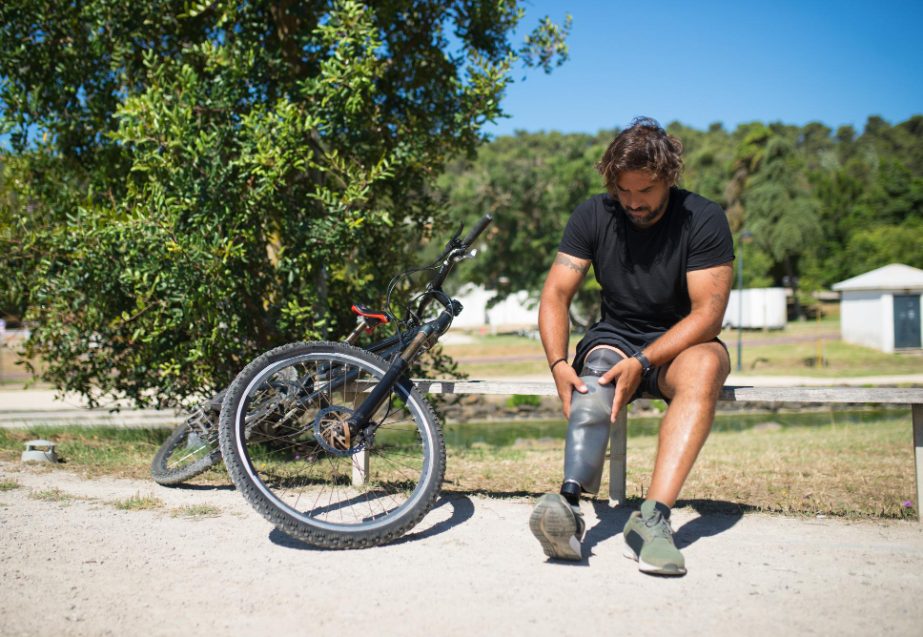
Here’s something most people don’t realize until it happens to them. A car barely has to be moving to do serious damage to a cyclist.
You are fifteen, maybe twenty miles an hour, rolling through a turn without checking the bike lane. Suddenly, the impact shatters someone’s wrist and tears their shoulder.
Worse if they have to go through months of physical therapy they didn’t plan for.
I’ve talked to riders who waited weeks before even considering a cyclist injury claim. They assumed their case was too minor or too complicated to pursue, so they never took action.
That assumption is absolutely baseless. If a driver’s carelessness put you on the ground, a cycling injury lawyer can usually tell whether you’re going to get compensation or not.
I don’t want this to be another generic “know your rights” rundown. Let’s look at:
- What actually happens once you start a cyclist injury claim
- Where these cases quietly fall apart
- What actually separates a decent settlement from one that barely covers the ER bill
Cyclists Get Shortchanged More Than Drivers Do. Here’s Why
Insurance adjusters know exactly where to look for vulnerabilities, and they won’t hesitate to use them to reduce a payout.
With car-on-car crashes, both drivers answer to the same rules, so there’s less room to argue.
Cyclists don’t get that luxury.
Adjusters will bring up helmet use, lane position, clothing color and anything that lets them nudge partial blame onto the rider. Even when none of it has legal bearing on who caused the crash.
That’s the real difference with a cyclist injury claim. State laws on right-of-way for bikes vary more than most people expect.
Meanwhile, adjusters count on claimants not knowing the specific statute that applies.
A driver blowing through a stop sign is at fault. There is no doubt about that.
Somehow, a straightforward accident starts looking a lot more complicated when the person hit was on a bike instead of in a car.
So what is the main problem here? In reality, the insurers know cyclists are an easier target for doubt.
What A Claim Actually Covers (It’s More Than The Hospital Bill)
People tend to think of a settlement as “whatever the ER charged, plus a little extra.” That’s not close to the full picture. A properly built cyclist injury claim accounts for:
- Emergency care, surgery, and any follow-up treatment
- Physical therapy, including the sessions that come months later, not just the first few
- Lost income, and not only during the initial recovery window
- Damage to the bike itself, plus gear like helmets, that often gets overlooked
- Pain and suffering, which gets calculated differently depending on where you live
- Future medical needs, if the injury has lasting effects
The future costs I mentioned last are something that causes unprecedented problems for people. Someone feels “mostly fine” six months out. After that, they sign off on a settlement.
And then two years later needs another surgery because the injury never fully healed the way it seemed to. Once you sign, that’s it! Simply put, there’s no going back for more.
Worth noting: the average settlement for car accident back and neck injury cases tends to land higher than comparable bike crash payouts. Not because cyclist injuries are less severe. In reality, they’re often worse.
But because liability gets disputed far more aggressively in bike cases. Insurers fight the fault question instead of the medical bills, which is exactly why documentation matters so much more here.
The First 72 Hours Decide More Than People Think
A cyclist injury claim mostly gets won or lost before a lawyer’s even involved. What actually helps:
Photograph the scene before it’s cleared. Bike position, road markings, vehicle damage, skid marks if there are any. Memory fades fast, and insurers constantly dispute details. So you need photos end arguments that words can’t.
Grab witness contact info on the spot. People move, forget, or just stop answering their phone within a couple of weeks. A name scribbled on a napkin at the scene beats a perfect memory three months from now.
Go see a doctor, even if you feel okay. Adrenaline hides pain remarkably well. Skip the visit, and if symptoms show up later, the insurer will argue the crash didn’t cause them.
Don’t give a recorded statement without guidance first. The other driver’s insurer will ask questions built to get you to admit partial fault. Sometimes without you even realizing it. A comparative negligence argument can even use any one of your offhand comments later.
Knowing When To Loop In An Attorney
Not every scrape needs a lawyer. But a crash involving real injury usually does.
A legal representative who focuses specifically on bike accident cases will know the right-of-way statutes for your state and the specific tricks local insurers tend to pull.
In North Carolina, for instance, that matters more than most people assume. To clarify, the state follows contributory negligence.
Under contributory negligence rules, a cyclist can’t recover compensation if they have even 1% fault for the incident.
That single rule is reason enough to get a real opinion before signing anything.
It also helps in identifying who’s actually doing what behind the scenes. A legal assistant usually handles intake, medical records, and scheduling early on.
Meanwhile, the attorney’s main goal is to set a strategy and negotiate with the insurer.
Understanding that division sets realistic expectations for response times and what your case actually needs from you.
Mistakes That Can Reduce The Settlement Amount
Riders handling their own cyclist injury claim tend to repeat the same errors.
They take the first offer because it covers the immediate bill, without accounting for lost wages or care they’ll need later. After that, they post about the crash online.
They could post a photo, or simply make a joke about being “fine”. However, that is enough to give the insurer ammunition to argue the injury wasn’t serious.
They wait too long to file and run into statute-of-limitations problems.
Again, that gets even trickier if the responsible party is a government entity. For example, a city that failed to maintain a bike lane.
Where This Leaves You
A cyclist injury claim can absolutely be won. However, it’s rarely a simple case. Drivers get more benefit of the doubt than riders do. At the same time, insurers lean on that gap whenever they can.
So here is what you must do.
Photograph everything, seek medical attention even if you feel fine, and learn how comparative or contributory negligence laws apply in your state.
Those three things, more than anything else, decide whether a claim ends in fair compensation.
If the injury’s serious, get a second opinion from someone who does this work every day. Lawyers say that the latter consultation is worth more than what you pay for it.
Disclaimer: This article does not intend to make actual claims about cycling injury law. However, the intention is to increase awareness regarding the complexities of insurance claims and discuss how to claim valid insurance!
Leave A Reply







Considering A Sexual Abuse Claim? Know What Legal Support Offers
Read More
When Should You Hire Personal Injury Lawyers After An Injury?
Read More
North Carolina’s Contributory Negligence Rule: Why A Small Mistake Can Bar An Injury Claim
Read More
What Families Can Do When A Nursing Home Injury Has No Clear Explanation
Read More
Illinois Birth Injury Deadlines: Why “Until Age 22” Can Be A Dangerous Misreading
Read More
0 Reply
No comments yet.