Summarize using AI





Prompt copied. Paste it into Gemini.
Today’s topic: MyChart Lawsuit
The MyChart Lawsuit has become a significant issue for millions of patients in the United States. Recent lawsuits filed against health systems like BJC HealthCare, Mount Sinai, and Inova are currently at critical levels as of early 2026.
For instance, BJC HealthCare paid eligible claimants on January 16, 2026, while Mount Sinai distributed checks on February 3, 2026.
If you were a user of these websites, you may have already missed some deadlines, but new claims, such as the Inova Health privacy settlement, are still open until April 6, 2026.
This legal issue has arisen as a result of claims that hospital websites have been employing tracking software, such as Meta Pixel, to transfer patient information to tech companies.
In this article, we will elaborate on the following:
- The origins of the privacy disputes and why MyChart portals faced litigation.
- A breakdown of recent major payouts from BJC, Mount Sinai, and Inova.
- Step-by-step instructions on how to file a MyChart Lawsuit claim.
- Crucial advice on protecting your digital health records after a data breach.
What Is MyChart, And Why Did It Face Lawsuits?
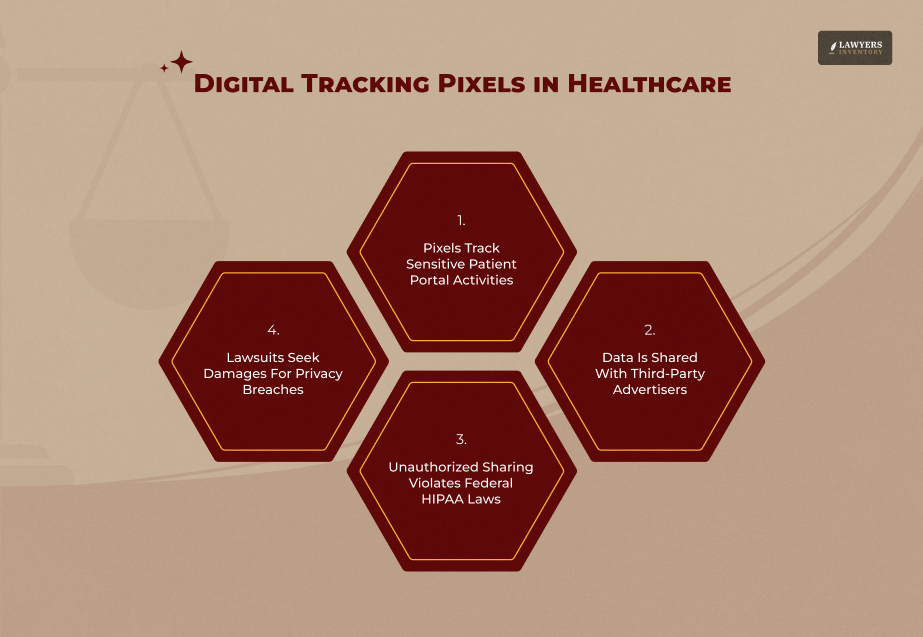
The MyChart Lawsuit pattern started when privacy activists found that most hospital websites were not as private as they claimed.
Most hospital systems in the US use Epic’s MyChart as their main patient portal. It enables you to access test results, communicate with doctors, and make payments.
But what investigators found was that third-party trackers, such as Facebook and Google, were often included in these pages.
These “pixels” were said to have recorded your search terms, types of appointments, and even your medical conditions.
The Hidden Risks Of Healthcare Tracking Pixels
Healthcare organizations are bound by strict HIPAA guidelines to ensure the safety of your information.
A MyChart Lawsuit typically occurs because of a healthcare provider’s alleged failure to fulfill this responsibility.
When you visit a health website, a tracking pixel may “scrape” your activity. It then relays this information to advertisers to create a profile of your health.
This illegal disclosure of protected health information (PHI) is responsible for the current MyChart Lawsuit trend.
Recent Major MyChart-Related Settlements (2024–2026)
Recently, some health care systems have finalized a MyChart Lawsuit to address these privacy claims.
These lawsuits involve millions of dollars that aim to compensate patients for the improper distribution of their information.
Although the MyChart lawsuit settlement amounts differ from one case to another, they commonly provide a base payment to all eligible users who file a claim.
BJC Healthcare And Mount Sinai Payouts
BJC HealthCare has finalized a MyChart Lawsuit, worth a maximum of $9.25 million for users in the St. Louis area (Source: BJC HealthCare Privacy Settlement).
Likewise, Mount Sinai Health System has agreed to pay a $5.25 million fund to address claims that it improperly distributed patient data through the Meta Pixel.
Most of these cases have already concluded their final approval hearings. In fact, if you have filed a claim for the Mount Sinai MyChart Lawsuit, payments have been distributed as of February 3, 2026.
The Ongoing Inova Health Care Settlement
Although many deadlines have expired, the Inova Health MyChart Lawsuit is ongoing. This particular case offers a $3.1 million settlement fund for individuals who had an Inova MyChart account between April 2022 and April 2024 (Source: Top Class Actions).
If you fall under this category, you need to take action before the spring deadline. This particular case shows that the MyChart Lawsuit era is not yet over.
Who Qualifies – Are You Eligible for a Payment?
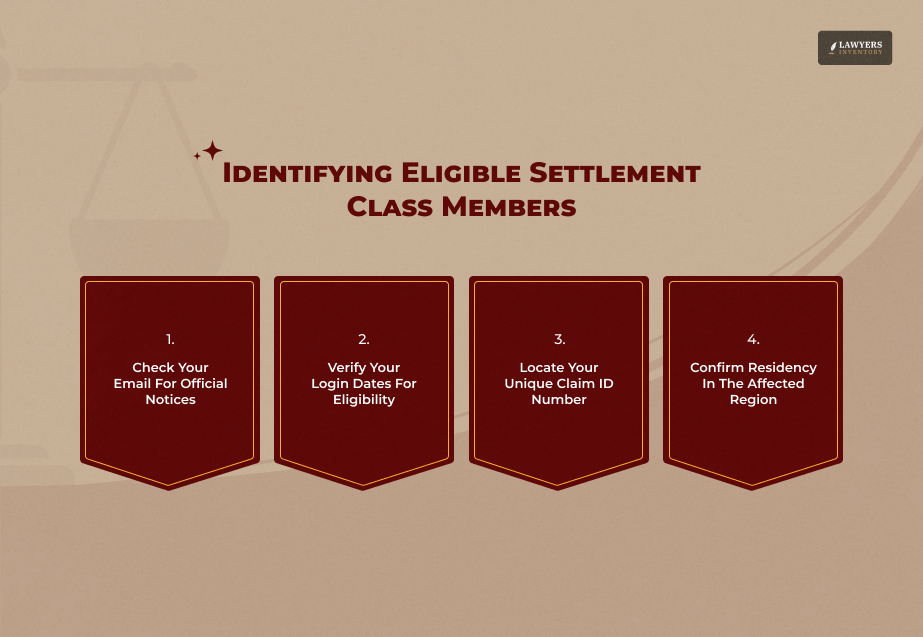
Whether or not you are eligible for a MyChart Lawsuit will depend on the dates you used the website. Each MyChart class action settlement has a “class period.” For instance, the BJC settlement was for users between 2017 and 2022, and the Mount Sinai settlement was between 2020 and 2023. You must have accessed the secure website during these particular times to be eligible for a MyChart Lawsuit.
Checking Your Notification Status
Most people are notified of a MyChart Lawsuit by an email or a postcard in the mail. These notifications have a “Unique ID” and a PIN. You will require these to submit your MyChart Lawsuit claim via the website.
Even if you did not receive a notice, you can check the official sites. Simply look for your hospital name with “settlement” at the end to locate the correct site.
What You May Get: Understanding The Settlement Payouts
The payouts for the MyChart lawsuit settlement amounts are normally distributed on a “pro-rata” basis. This implies that the entire amount is shared equally among all those who have filed their claims.
For the BJC HealthCare MyChart Lawsuit, the standard payout was set at $35.00 per person.
However, if fewer people file their claims, the amount may technically go higher. On the other hand, a large number of claims may lead to a lower payout.
Factors That Influence Individual Payments
The legal fees and other expenses are deducted from the total MyChart Lawsuit amount. Lawyers normally take between 25% and 33% of the total amount. The remaining amount is what the patients will receive.
Since millions of people use these portals, a MyChart Lawsuit will never amount to a life-changing amount of money.
Most people who file their claims should be ready to receive a payout of between $20 and $100, depending on the terms of the MyChart lawsuit settlement amounts.
How To Claim: A Step-By-Step Guide
The process of filing a MyChart Lawsuit claim is usually easy and done electronically. You do not need to hire your own attorney to participate in the MyChart Lawsuit.
Most settlement websites have a “File Claim” button on the home page. You will enter your own information and your own ID from the notice you received.
Methods Of Submission And Payment
Most administrators will allow you to choose how you would like to receive your payment for the MyChart Lawsuit. You can usually choose a physical check, a PayPal payment, or a Venmo payment.
Make sure you file your MyChart Lawsuit claim before the deadline posted on the website. For the Inova case, this deadline is April 6, 2026.
Read Also: Tepezza Class Action Lawsuit Update – Hearing Damage Claims and Legal Options
Risks, Limitations, And What A Settlement Means
Filing a MyChart Lawsuit claim is a legal option that has consequences. When you accept the payment, you usually sign a “release of claims.” This means you can never sue that hospital again for this same privacy issue.
While the MyChart Lawsuit is a type of payment, it is not an admission of guilt. The hospitals involved usually deny they did anything wrong, but pay the MyChart Lawsuit to avoid a trial.
Privacy Reality Check
Receiving a MyChart Lawsuit payout does not necessarily mean that your information has been removed from the internet. The lawsuit is about past mistakes, but you have to do the work to protect your future privacy.
Even after getting your MyChart Lawsuit payment, you need to review your account settings. Never forget that a mychart class action settlement is a compensation issue, not a complete wipe of your online presence.
Data-Privacy Best Practices For Mychart Users
Even after winning a MyChart Lawsuit payout, you have to be careful. The healthcare sector is one of the primary targets of hackers.
In addition to the MyChart Lawsuit payout, you have to concentrate on technical security measures.
Create strong and distinct passwords for your healthcare websites. Turn on two-factor authentication (2FA) right away to protect against unauthorized access.
Prevent Future Tracking Tools
You can reduce the risk of requiring another MyChart Lawsuit by using privacy-oriented browsers.
You can also consider adding privacy-protecting extensions that remove tracking pixels and third-party cookies.
These tools will ensure that your hospital website visit is kept private between you and your physician. It is always better to be proactive than to wait for the next MyChart Lawsuit to happen.
FAQs On Healthcare Privacy Claims
If you are searching for more information on a MyChart Lawsuit, these frequently asked questions will give you quick answers.
Many people are still unaware of the MyChart Lawsuit process and how to identify legitimate offers.
Unfortunately, after the court-ordered deadline expires, you cannot file a MyChart Lawsuit claim.
The deadline for BJC was October 2025, and for Mount Sinai, it was also October 2025. You can check for new cases, such as the Inova MyChart Lawsuit, if you have recently used other hospital systems.
A genuine MyChart Lawsuit email will never ask you to provide your Social Security number or bank password via email.
They will instead ask you to visit a secure “.com” or “.org” website, which is administered by a trusted administrator. Make sure to check the URL against news reports before providing any information.
In some data breach incidents, victims receive thousands of dollars. However, in a privacy-related mychart class action settlement, the payment is between $30 and $50.
The mychart lawsuit settlement amount is lower since it is more concerned with the “risk” of data sharing, unlike identity theft.
Leave A Reply







What You Need to Know About Non-Invasive Body Contouring
Read More
Depo Provera Lawsuit: Updates About the Brain Tumor Lawsuit Against Pfizer
Read More
How Can You Get Compensation for Cerebral Palsy Cases?
Read More
Medical Malpractice Litigation: A Barrier to Progress or a Catalyst for Safer Healthcare?
Read More
How Medical Negligence Cases Have Evolved and How Lawyers Adapt
Read More
0 Reply
No comments yet.