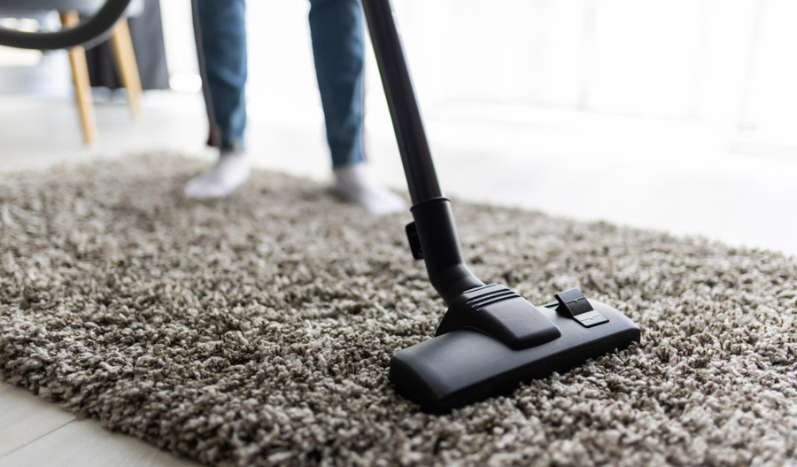
Today’s topic: Rug cleaning and restoration.
Your fine rugs are not floor coverings. They are woven assets sitting in your living room, quietly appreciating or depreciating based on how you handle them.
The global collectables market was estimated at over $300 billion in 2024 and is projected to reach between $418 billion and $535 billion by 2032, with textiles emerging as a legitimate alternative to traditional stocks and bonds.
Most owners treat damage control like spring cleaning.
You need to view preservation as portfolio management, complete with meticulous records, specialised insurance riders, and estate-planning structures normally reserved for art collections.
Rug Cleaning and Restoration: Treat Rugs Like Investable Assets
Collectables are increasingly recognized as an alternative asset class, valued for aesthetic appeal, historical significance, and potential financial appreciation.
High-quality hand-knotted rugs fall into this category. Moreover, they act as inflation hedges similar to fine art or vintage wine.
Unlike stocks that fluctuate minute to minute, rugs offer tangible value backed by craftsmanship and scarcity.
The Proof Is In Auction Records:
Over 63% of collectors now consider collectables a long-term investment, while 47% actively track their portfolio’s valuation.
Antique Persian and Caucasian pieces from reputable workshops have demonstrated steady appreciation when the condition is meticulously preserved.
Condition drives everything. A single moth infestation or color bleed can erase decades of appreciation overnight.
Shift From Decor To Equity:
You must stop thinking of “floor covering” and start thinking of “equity preservation.” Unlike furniture that depreciates the moment you buy it, artisan rugs can grow in value.
Machine-made synthetics lose half their value immediately.
Handwoven wool from heritage regions retains or increases worth if documentation and condition support provenance.
Rug Cleaning And Restoration: Log Cleanings In A Digital File
Provenance determines auction value. When you sell a classic car, service records confirm maintenance history. The same logic applies to five-figure textiles.
You need a digital chain of custody proving your rug was cared for by a Rug Wash Specialist who understands fibre chemistry, not surface scrubbing.
Build Your Service Ledger:
Maintain a cloud folder with purchase receipts, origin certificates, and detailed invoices from every professional wash.
Note specific dates, methods used, like immersion washing versus surface extraction, and any structural repairs.
Photograph before and after each service. When you consign a rug to auction twenty years from now, this log separates your piece from estate sale unknowns.
Why Documentation Matters?
Digital logs serve as irrefutable proof that fibres were never subjected to harsh chemicals or improper handling.
Buyers pay premiums for documented care histories. A rug with no records gets valued like a used car with missing maintenance logs, regardless of how pristine it looks today.
Request Prewash Imaging And Burn Tests:
Many silk rugs sold today are actually viscose rayon, which dissolves into papier-mache when wet.
If your cleaner doesn’t test fibres before wetting them, they are gambling with your investment.
You must demand rigorous pre-inspection protocols to avoid catastrophic loss. The essential intake protocol includes these four critical steps:
- Macro Photography: High-resolution photos of front, back, and fringe document pre-existing conditions like dye bleed or foundation rot before water touches the piece.
- The Burn Test: A single strand is burned to identify fibre type. Real silk smells like burning hair and crushes to ash. Viscose smells like burning paper and leaves a hard bead.
- UV Inspection: Blacklight reveals hidden pet urine stains invisible to the naked eye but pungent once wet, allowing pretreatment planning.
- Dye Migration Testing: A damp white cloth pressed against fibres determines if dyes are colourfast or require mordants to prevent bleeding during immersion washing.
Never authorize a wash without these forensic checks. Reputable facilities treat this as a non-negotiable standard procedure, not as an upsell.
Rug Cleaning and Restoration: Choose PFAS-Free Protectants Now
Bans in California and New York on textile articles containing PFAS took effect January 1, 2025.
Minnesota prohibits the sale of products with intentionally added PFAS in eleven categories, including carpets and rugs, starting January 1, 2025. The regulatory landscape for textile care has fundamentally shifted.
The Chemistry Cliff:
3M announced it would exit all PFAS manufacturing by the end of 2025 and completed this exit as scheduled.
If you apply old-stock fluorinated chemistry to rugs, you may introduce regulated toxins into your home environment.
Legacy stain guards you relied on for years are now considered a liability.
Compliant Alternatives Exist:
You must specifically request encapsulating or silica-based protectors that are GreenGuard Gold certified.
These non-fluorinated options repel soil without forever chemical health risks.
They ensure your home remains safe for children and pets while complying with modern environmental standards without sacrificing functional protection.
Insure Rugs With Updated Appraisals:
Your standard homeowner policy likely caps unscheduled personal property coverage. That limit wouldn’t cover a fraction of a fine rug’s replacement cost.
If a pipe bursts, you could receive a check for $2,000 on a $20,000 loss.
Secure your financial position by implementing these four protections:
- Schedule a Rider: Move high-value rugs from general coverage to specific floaters covering the full appraised value without deductibles.
- Update Valuations: Market values fluctuate constantly. An appraisal from 2015 is useless now. Experts recommend reappraising every three to five years, at a minimum.
- Define Replacement Value: Ensure your policy covers Retail Replacement Value, which is what it costs to buy it again, not Actual Cash Value, which deducts depreciation.
- Photograph Liability: Document the rug in situ with time-stamped photos. If stolen or destroyed by fire, you need proof that it existed in the house.
Fine print destroys asset liquidity faster than any physical damage. Review policy language annually with your agent to confirm adequate coverage.
Put High-Value Rugs In Trusts:
Estate planning often overlooks Tangible Personal Property, leading to bitter family disputes or forced liquidation to pay probate taxes.
Placing your collection into a trust is a sophisticated legal manoeuvre protecting asset integrity across generations.
Avoiding Probate Chaos:
When rugs are held in trusts, they bypass the public, time-consuming probate process.
This allows seamless transfer to beneficiaries without court interference, keeping collection value private.
No judge decides who gets the heirloom or forces liquidation to split proceeds equally among heirs.
Tax Efficiency Matters:
Consult a tax attorney about the step-up in basis provision. Properly structured, trusts can minimize capital gains taxes for heirs if the property has appreciated significantly since purchase.
This turns decorative objects into tax-efficient wealth transfer vehicles, preserving family wealth.
Ask About Fibre Safe Cleaning Tech:
Not all water is equal. Wool fibre is acidic by nature, often in the pH range of 4 to 5.
Washing it with high alkaline detergents at pH 10 or above strips the cuticle, leaving wool brittle and dull. You need access to specialized chemistry that respects natural fibre composition.
Verify these technical parameters before authorizing any cleaning:
- pH Balanced Solutions: Cleaning solutions must stay within pH 4.5 to 8.5 for wool to prevent damage. Solutions aligning with wool’s natural chemistry protect fibre integrity.
- Controlled Immersion: Avoid tub washing where rugs soak in dirty water. Look for flow-through systems that constantly flush fresh water during cleaning cycles.
- Centrifugal Extraction: Wringing machines damage fibres through mechanical stress. Centrifuges spin at 900-plus RPM to eject water without twisting or crushing the pile.
- Specialized Facilities: For high-value care, utilize dedicated rug maintenance in Sydney or your local metro area rather than on-site carpet cleaners with portable equipment.
Chemistry determines whether you are cleaning or destroying. Surface results mean nothing if the underlying fibre structure is compromised by improper pH exposure.
Demand Moisture Checked Drying Proof:
The most dangerous phase for any rug is drying. If a rug stays wet longer than twenty-four hours, mould spores germinate, and the cotton foundation develops dry rot.
Touching the surface proves nothing. The core must be verified dry using calibrated instruments.
Psychrometric Science:
Professional drying rooms use dehumidifiers and air movers to manipulate humidity and temperature precisely. This isn’t about heat alone.
It is about vapor pressure differential pulling moisture from deep fibre cores without heat damage to natural dyes or delicate pile structure.
Meter Verification Is Non-Negotiable:
Don’t accept “it feels dry” as confirmation. Demand your cleaner use a penetrative moisture probe to verify completion.
The industry standard for wool is moisture content around twelve to sixteen percent.
If the backing registers higher readings, the rug isn’t ready for rolling. Trapped moisture causes foundation fibres to snap like dry twigs years later.
Rotate And Layer To Cut Wear:
UV light is a silent assassin. It doesn’t just fade colors. It makes wool fibres brittle and prone to shattering under normal traffic.
Stationary furniture and foot patterns create uneven wear, which is impossible to reverse, once the pile height varies across the surface.
Implement this preservation schedule to extend rug lifespan:
- The Six-Month Rotation: Rotate your rug 180 degrees every six months minimum. This distributes foot traffic evenly and ensures sunlight fades the pile uniformly, preventing shadowing.
- The Pad Buffer: Always use quality felt or rubber pads underneath. They act as shock absorbers, preventing the foundation from grinding against hard floors with each footstep.
- Furniture Cups: Place caster cups under heavy furniture legs to distribute weight. Point load pressure crushes the pile and can permanently indent cotton or wool foundations.
- Traffic Diversion: Use smaller sacrificial rugs in high-traffic entry points. They catch grit before it reaches your investment piece, reducing abrasive wear exponentially.
Even wear becomes a desirable patina over decades. Uneven wear is permanent damage, reducing resale value and aesthetic coherence across the field.
Compare Repair Costs Versus Replacement:
When damage occurs, the math isn’t straightforward. The general fifty percent rule suggests replacing items if repairs cost more than half their value.
This fails for antique rugs where historical integrity carries premiums that transcend replacement cost calculations.
The Restoration ROI:
For machine-made rugs, replacement always makes economic sense.
However, for hand-knotted Heriz or Sarouk pieces, a two-thousand-dollar reweaving job on a rug worth eight thousand preserves the asset.
Repair low to stabilize ends and edges rather than high for perfect cosmetic re-knotting. This maintains structural integrity without overcapitalizing beyond market support.
Conservation Versus Restoration:
Know the difference between conservation and restoration work. Conservation stops further damage through stabilization, such as gluing patches to the backing.
Restoration returns it to its original condition by re-t tying individual knots.
Conservation costs less, and collectors often prefer the story of honest wear over the artificial perfection that attempts to hide age.
Preserve Woven Wealth Across Generations:
Your rugs are not just floor coverings. Rug Cleaning and Restoration is a testament to history and a vessel for intergenerational wealth transfer.
By adopting an asset-class mentality toward their care, meticulously documenting provenance, insisting on scientific cleaning standards, and navigating insurance and trust legalities, you ensure these woven treasures survive for the next generation.
Stop treating them like replaceable carpet and start managing them like the portfolio assets they truly are.
Sources And Verifications:
- Market Decipher, 2025, https://www.marketdecipher.com/report/collectibles-market
- Grand View Research, 2024, https://www.grandviewresearch.com/industry-analysis/collectibles-market-report
- Stellar Market Research, December 2025, https://www.stellarmr.com/report/collectibles-market/2732
- Cherry Bekaert, October 2025, https://www.cbh.com/insights/reports/u.s.-alternative-investment-industry-report-2025
- PGIM and Institutional Investor, 2024, https://www.institutionalinvestor.com/article/2e3y6dfwztdkma3957l6o/innovation/the-new-standard-in-portfolio-allocation
- Morgan Lewis, November 2024, https://www.morganlewis.com/pubs/2024/11/new-york-and-california-bans-on-pfas-in-textiles-and-apparel-begin-january-1-2025
- Minnesota Pollution Control Agency, 2025, https://www.pca.state.mn.us/air-water-land-climate/2025-pfas-prohibitions
- Safer States, January 2025, https://www.saferstates.org/insights/states-lead-the-way-new-pfas-restrictions-going-into-effect-in-2025
- 3M Company, December 2022, https://news.3m.com/2022-12-20-3M-to-Exit-PFAS-Manufacturing-by-the-End-of-2025
- Fox 9 Minneapolis, January 2026, https://www.fox9.com/news/3m-says-its-no-longer-manufacturing-pfas-chemicals
- Master Rug Cleaner Dallas, December 2018, https://masterrugcleaner.net/cleaning-wool-rugs-and-the-mystery-of-ph
Leave A Reply








What Is A Business Entity? A Simple Guide For New Business Owners
Read More
When Should You Take A Criminal Charge Seriously?
Read More
Who Is Responsible For Pest Problems In Dallas Rental Properties
Read More
Considering A Sexual Abuse Claim? Know What Legal Support Offers
Read More
0 Reply
No comments yet.