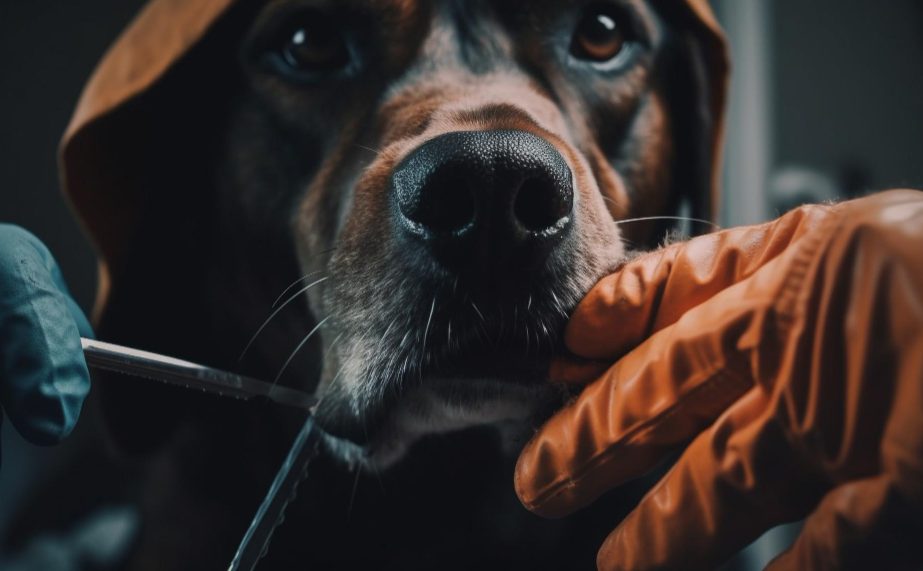
| Quick Answer: After a serious dog bite, seek immediate medical care to prevent infection. Report the animal to local animal control. Under Washington law, dog owners face strict liability for damages, meaning you do not have to prove the owner was negligent. |
So, what to do if a dog bites you?
A dog bite can happen in seconds, but the physical and emotional effects may last much longer.
Even a minor-looking bite can cause puncture wounds, infection, nerve damage, scarring, or movement problems.
More serious attacks may require emergency treatment, surgery, or months of follow-up care.
Getting legal help with a dog bite injury claim may help when medical bills, lost income, insurance disputes, or long-term injuries become part of the situation.
Knowing what to do after an attack can also help protect important evidence and give an injured person a clearer understanding of the claims process.
Get Medical Treatment As Soon As Possible
If you are wondering, “what to do if a dog bites you?” Well, make medical care your first priority after a dog bite.
A healthcare professional can clean and examine the wound, check for nerve or tendon damage, treat infections, and determine whether additional treatment is needed.
Medical records can also provide an important record of the injury and its effect on the victim.
Dog bites can also create health concerns that are not immediately visible.
The Centers for Disease Control and Prevention recommends washing bite wounds thoroughly with soap and water and seeking medical attention for serious or deep wounds, signs of infection, or situations where the dog’s rabies vaccination status is unknown.
Report The Attack And Gather Information
When a dog bites you, first create an official record of the incident.
You may want to report the incident to the police or the local animal control.
The report creates a record that includes details about the dog and its owner, as well as the incident location.
This step may seem inconvenient and unnecessary, but it is critical in the aftermath of the attack.
Gathering Your Evidence
As soon as possible after the attack, you should gather your documents.
Get the owner’s name and contact information, and ask about the dog’s rabies vaccinations.
If there were witnesses, acquire their contact information as well.
Finally, take photographs of your wounds, the dog’s general condition, and any damaged clothing and personal items.
Collect all relevant personal files and paperwork relating to the attack in one central location.
This might include medical records, personal insurance information, and a copy of the police report.
Organizing The Details
Keeping all files and documents in one place helps you build a chronological account of the situation that occurred.
Document The Injury And Its Effects
Photographs of your wounds, injuries, and physical suffering can be essential, since the appearance of affected parts of your body may change over time.
In particular, bruises, abrasions, and other marks will alter in color and transparency.
If you require surgical intervention, collect all documents related to the procedures performed to heal your wounds.
In addition to physical pain and complex medical conditions, emphasize the effects the dog attack has on your life.
For instance, you might experience significant losses since you cannot work if you have received moderate or severe injuries.
So, what to do if a dog bites you? If you have minor injuries or pain, you might have trouble getting treatment.
You also need to visit the trauma center, buy medication, or do other routine activities.
Moreover, you might have difficulty engaging in recreational activities if the injury prevents you from moving properly.
Therefore, keep a daily record of all expenses, inconveniences, and suffering you experience from the attack.
Understand Potential Compensation
The main basis for a dog bite claim is the attack’s specific circumstances and the injuries.
In general, a dog bite claim compensates for treatment and rehabilitation, lost wages, and other monetary losses associated with the attack.
If you sustained moderate or severe injuries requiring surgery, make sure to include future medical expenses in the compensation you receive.
Monetary losses might be difficult to estimate if the medical documents and papers do not sufficiently describe the treatment you received or will receive after the attack.
The damages you suffer from a dog bite extend beyond direct, quantifiable monetary losses.
They also include indirect and intangible losses, such as mental and emotional suffering.
Don’t underestimate the difficulties you experience, because you may have to deal with the consequences of the attack for a long time.
Physical damage to your person, for instance, can be exceptionally devastating if it alters your appearance, functionality, or causes long-standing mental distress.
Injuring parts of your body that are considered to be highly aesthetic can lead to significant mental breakdowns.
When combined with other types of losses and damages, mental distress.
This includes long-term stress and can considerably contribute to dog bite-related claim compensation.
Be Careful When Dealing With Insurance
Personal injury claims are typically processed when a dog owner’s insurance company investigates the case and pays compensation to the claimant.
An insurance company representative, also known as an adjuster, might review your condition and collect relevant personal documents.
It is best to provide accurate information related to the case.
The adjuster might also ask you to give sworn testimony.
When reviewing an early settlement, provide all evidence related to the incident, as well as treatment and expenses.
Sometimes, an injury might evolve over a long period of time.
It can be challenging to get a comprehensive settlement if a dog owner’s insurance company isn’t aware of all the damages and expenses you incurred.
Know The Legal Deadline
Personal injury claims usually have a statute of limitations, a specific period of time during which a person can file a claim or lawsuit.
If the statute of limitations expires, the claimant (an injured and attacked person) may be unable to recover compensation from the defendant (a dog owner).
The statute of limitations can depend on several factors, including the nature of the case, the victim’s age, and other relevant circumstances.
Therefore, it is best to determine your options promptly.
A. Consider The Long-Term Effects
A dog bite claim can arise in different scenarios, from relatively minor injuries to serious conditions requiring extensive rehabilitation.
For example, deep wounds sometimes inflict serious damage to the musculoskeletal system.
Nerves, muscles, tendons, and joints are among the structures that heal relatively poorly.
Scars are also common and can be painful, especially if the victim is particularly sensitive.
On the other hand, the psychological consequences of a dog bite are no less significant.
In particular, the victim of a dog bite can be at risk of developing mental health issues, ranging from fear of dogs to the inability to return to the place of the incident, insomnia, nightmares, and other symptoms.
Children are also vulnerable to suffering severe injuries during a dog bite.
According to the Centers for Disease Control and Prevention (CDC, children are more likely to be bitten by dogs than adults and are more likely to sustain more serious injuries.
B. Take Steps To Prevent Another Attack
Dog bite prevention strategies suggest avoiding free interaction with unknown dogs and approaching animals only if the animal consents to touch and interaction.
Specifically, do not approach animals when they eat, sleep, care for puppies, or show signs of affection, aggression, discomfort, anxiety, or fear.
Parents should make sure that children do not interact with animals in the ways described above.
Dog owners can take preventive measures with a good understanding of the dog and its behavior.
Proper training, security measures, and supervision can reduce the risk of dog bites against strangers, neighbors, and others.
If a dog is potentially dangerous, take additional safety measures. This way you can ensure the dog’s comfort and the safety of visitors and neighbors.
When Legal Guidance May Help
Although a dog bite may require a personal injury claim against the dog owner, insurance may sometimes cover the costs.
A dog bite can be both relatively harmless and serious.
The latter applies to incidents that require treatment, surgery, and rehabilitation, as well as cases where an injured person must miss work to heal.
Consulting with an attorney can provide clarity on what to do if a dog bites you from a legal standpoint.
This can also help you secure the maximum compensation you deserve.
In general, a personal injury claim can be useful when the circumstances of a dog bite attack and the relevant laws suggest it.
An attorney can be especially helpful if the insurance company denies the claimant compensation.
The dog owner may also refuse to pay necessary treatment costs. Moreover, the legal assistance can become vital if future treatment is also required.
The main advantage of using legal services is:
- A thorough evaluation of the evidence
- A determination of rights under the law in the jurisdiction.
This includes a review of where the person resides, communication with the insurance company, and consultation on the dog bite claim.
A situation with a dog bite inflicts numerous physical, mental, and financial costs on a victim.
Therefore, timely treatment, documentation of expenses and conditions, and determining the claim’s legal status can support health.
These can also help to assess the degree and scope of dog bite-related damages.
Disclaimer: The information provided in this article is for general informational purposes only. It does not, and is not intended to, constitute legal advice. Please consult an attorney for legal help.
Also Check:
- Most San Jose Dog Bite Victims Undervalue Their Case. The Physical Injury Is Often The Smallest Part Of The Damage.
- Do You Have A Personal Injury Case After A Dog Bite & How To Go Through It?
Leave A Reply








What Is A Business Entity? A Simple Guide For New Business Owners
Read More
When Should You Take A Criminal Charge Seriously?
Read More
Who Is Responsible For Pest Problems In Dallas Rental Properties
Read More
Considering A Sexual Abuse Claim? Know What Legal Support Offers
Read More
0 Reply
No comments yet.