Today’s blog: Coinbase text scam!
The Coinbase text scam has become a multi-million dollar criminal enterprise that preys on American cryptocurrency investors with chilling accuracy.
With the increasing adoption of digital assets, the level of sophistication of SMS phishing attacks is also increasing. The best way to protect your financial future is to familiarize yourself with the legal environment and the most recent tactics being employed by scammers.
As of February 2026, the legal heat is turning up on cryptocurrency trading platforms. In the latter part of 2025, the Brooklyn District Attorney charged Ronald Spektor with a massive scam worth $16 million, which was perpetrated through a Coinbase scam text message. (Source: Chainalysis)
This particular case exposed a rather shocking “insider” aspect, whereby hackers bribed foreign support personnel to reveal confidential information of customers, such as phone numbers and accounts.
Moreover, Coinbase is also being sued in a large shareholder class-action lawsuit for failing to report these security breaches on time, thereby leaving thousands of customers vulnerable to the Coinbase text scam.
The above timelines illustrate that the threat is not just a bug but a legal problem of corporate negligence and an international crime syndicate.
In this article, we will discuss the following:
- How the withdrawal and login scams work.
- Legal frameworks in the US regarding liability for cryptocurrency fraud.
- Rights of customers under the Electronic Fund Transfer Act and Regulation E.
- Preventive security steps to render SMS phishing attempts invalid.
Anatomy Of The Most Common SMS Phishing Tactics
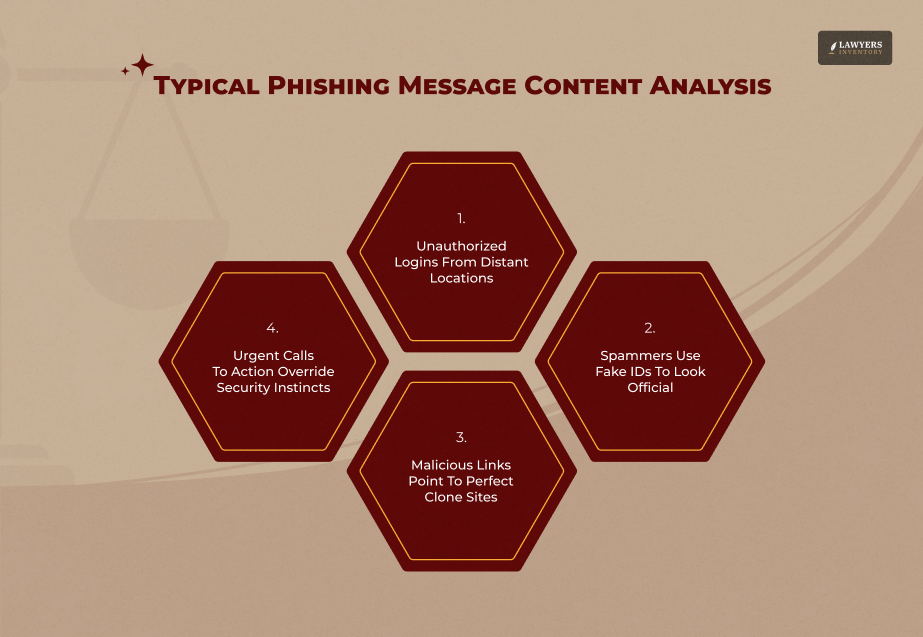
A coinbase text scam typically involves instilling a feeling of extreme panic in order to avoid critical thinking on the part of the user. Scammers usually employ high-pressure tactics to persuade you that your money is being stolen at this very moment by a third party.
The Coinbase Withdrawal Code Text Scam
The Coinbase withdrawal code text scam is a very effective scam because it uses a legitimate security feature against you. You get a text message that reads, “Your withdrawal code is 123456. If you did not request this, call +1-800-XXX.”
When you call, a bogus representative “assists” you in protecting your account by asking for the same code, which they then use to actually withdraw your money.
The police have warned that Coinbase will never ask you to give them a security code.
The Coinbase Login Scam Text
In a Coinbase login scam text, the goal is to steal your credentials directly. The message usually says your account has been locked due to suspicious activity and provides a link to “verify” your identity.
This link leads to a Coinbase login scam text landing page that looks identical to the real site but exists only to log your password.
The FTC notes that scammers often use these fake alerts to create a “fear of loss” that overrides caution.
US Legal Perspective On Crypto Exchange Liability
In the case of a user being scammed out of money via a Coinbase text scam, the issue of “who pays” becomes a complicated legal issue. Although banks have strict policies regarding repayments, the world of cryptocurrency is governed by a different code of laws altogether.
Negligence And The Duty Of Care
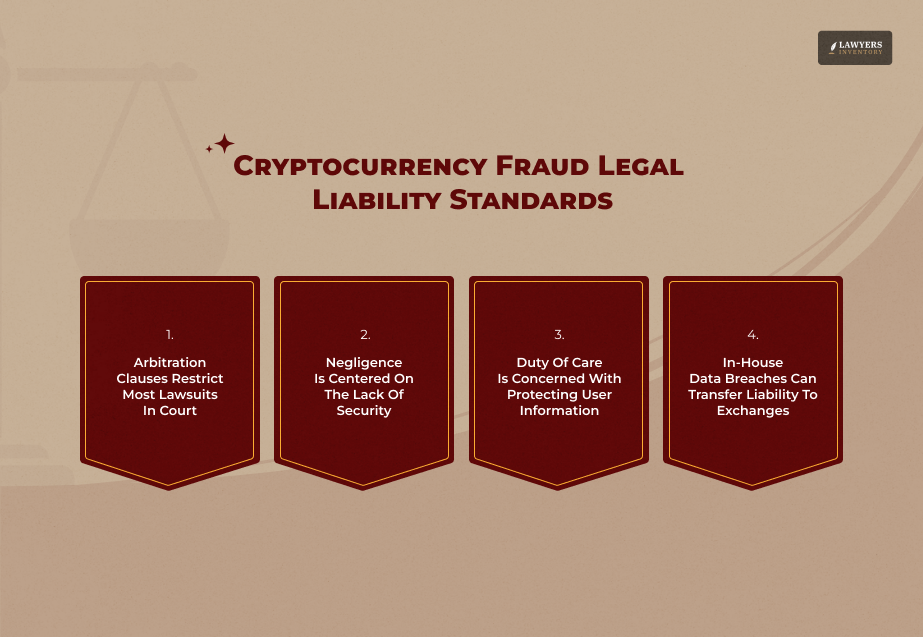
The victims of the Coinbase text scam may claim that the exchange was negligent in protecting their information.
If a hacker was able to send a specific text message because a Coinbase contractor leaked your phone number, the exchange may have failed to protect your information.
Courts are now taking a closer look at whether exchanges have offered “reasonable” security measures compared to the risks.
Arbitration Clauses And Class Actions
Most people agree to “mandatory arbitration” when they open an account, which prevents them from being part of a class-action lawsuit.
But new legal approaches include filing a mass individual arbitration lawsuit to force exchanges to settle with victims of the Coinbase text scam.
The Coinbase User Agreement typically contains clauses that set a time limit for reporting unauthorized transactions.
Federal Legislation And Consumer Rights
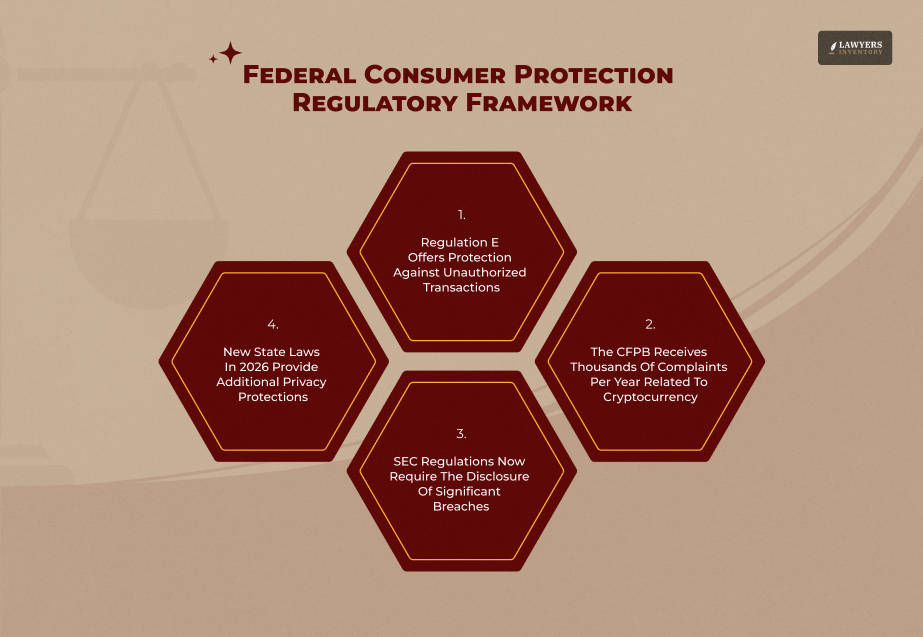
Although the law is playing catch-up with the technology, there are a number of existing federal regulations that offer some protection to the victims of a Coinbase text scam. The Electronic Fund Transfer Act is at the forefront of this conversation.
Regulation E And Unauthorized Transfers
Under Regulation E, consumers are protected against unauthorized electronic transfers. But in the case of a user being deceived into authorizing a transfer in a Coinbase text scam, the issue becomes unclear.
Activists are now fighting for the recognition of “authorized-but-fraudulent” transfers.
The Role Of The NYDFS And Regulators
The New York Department of Financial Services (NYDFS) recently penalized Coinbase to the tune of $50 million for compliance issues.
This is an indication that regulators are paying close attention to how exchanges are dealing with the risks posed by the coinbase scam text message and other forms of fraud.
Coinbase was also required to spend $50 million on its compliance and security infrastructure.
Proactive Security To Block Phishing Attempts
The key to successfully resisting a Coinbase text scam is to never make the text message the keys to the kingdom. Moving past SMS security is the strongest technical solution available in 2026.
Moving Beyond SMS 2FA
This Coinbase text scam will only work if your account is set up to use SMS for 2FA. By using a hardware token such as YubiKey, you can make your account un-phishable via SMS.
Security professionals advise that you turn off SMS 2FA altogether to protect against SIM-swapping.
Using Withdrawal Allow-Listing
Coinbase has a “Vault” and “Allow-listing” system. This means that even if you do fall victim to a Coinbase text scam, you will not be able to transfer money to a new address for at least 48 hours, giving you time to lock the account.
Locking your account immediately when you see a suspicious text message can save you from losing everything.
Read Also: ListCrawler Cartel Scam: A Guide To Recognizing And Stopping Extortion
Frequently Asked Questions (FAQs):
Handling a Coinbase text scam can be very stressful, but with the right information, you can protect your funds. These questions and answers pertain to the unique concerns of US citizens who are threatened by these new-age dangers.
Coinbase generally asserts that it is not liable for “authorized” transactions in which the customer has handed over the code to a third party.
But if you can show that the scam only worked because of a pre-existing data breach at Coinbase (such as the 2025 TaskUs contractor breach), then you may have a claim through arbitration.
Increasingly, victims are retaining expert attorneys to argue that the exchange’s own weaknesses contributed to the scam.
Scammers will send out thousands of messages to random phone numbers in hopes of reaching a small percentage of people who actually use the service.
Getting a Coinbase scam text message does not mean your identity has been stolen. It is likely that your phone number was on a “marketing list” or a data leak from a non-related website. The best thing to do is block the number and never click on the link.
The “Smishing Triad” is a well-known Chinese cybercrime group that offers “phishing-as-a-service” solutions to other hackers. In 2025 and 2026, they were responsible for huge SMS attacks on American cryptocurrency users.
They are the ones who create the templates for the Coinbase login scam text message that looks so authentic. This is why there has been a 1400% increase in these scams recently.
Leave A Reply







What Happens In A Mistrial? And What Every Defendant Needs To Know Immediately After
Read More
What Happens If A Jury Is Hung Twice? The Legal Answer Explained
Read More
Voyeurism As A Crime In The UK: Law And Legal Consequences Explained
Read More
What Is Wanton Endangerment? Is The Breonna Taylor Case Related To It?
Read More
How Can Criminal Identity Theft Occur And Your Legal Standing
Read More
0 Reply
No comments yet.