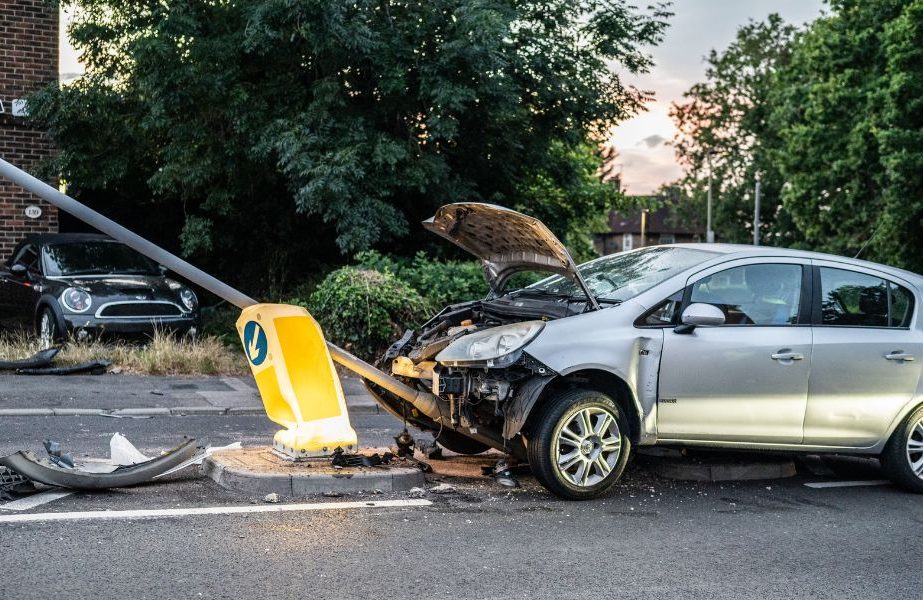
| Quick Answer Truck and car accident injury claims do not normally work the same as those for general personal injuries since they feature a huge size difference, grave bodily harm, a number of liable parties, complicated business or federal safety regulations, and much higher insurance policy limits, to name a few factors. |
The moments after a traffic collision often leave injured people facing difficult questions about medical care, financial pressure, insurance obligations, and what steps should come next.
Texas personal injury lawyers frequently help families understand how the type of vehicle involved can influence the path of an injury claim, from the evidence that you must preserve to the parties who may be held responsible.
Learning these differences early can help accident victims avoid decisions that later weaken their position while giving them a clearer understanding of what may lie ahead during the legal process.
That knowledge becomes especially valuable in communities such as Richmond and Missouri City, TX, where major roadways, growing residential areas, daily commuters, and commercial truck traffic increase the likelihood of collisions involving both passenger vehicles and large commercial carriers.
Whether a crash occurs on a neighborhood street or a busy highway, understanding how these claims get evaluated can help injured individuals prepare for the legal and medical challenges that often follow.
Why Truck And Car Accident Injury Claims Differ From Other Injury Claims
People involved in serious collisions usually need various diagnostic imaging services, lose work, pay for medications, and go through a long period of being unsure whether insurance companies will respond fairly.
In Texas, personal injury attorneys can read various documents including accident reports, witness statements, driver records, repair estimates, and the doctors’ reports.
This analysis is important because a truck accident case may be more complicated, involving more than one party, the insurance policies are higher, and the evidence required from you is more demanding compared to regular car cases.
Fault Is The First Battle
Every injury case revolves around liability. For instance, one thoughtless driver might be behind a car accident, while a truck crash can also include a carrier, a loader, and/or a mechanic.
All parties involved in a crash may attempt to deflect responsibility within just a few hours. Early gathering of facts can aid preservation of skid marks, data stored by black box (ECR), and other types of records before these pieces slowly fade away.
Truck Cases Usually Carry More Evidence
Commercial vehicle claims usually generate a thicker paper trail than passenger car collisions. Some of the things that can reveal speed, braking, and vehicle condition include:
- Hours-of-service records.
- Dispatch messages.
- Inspection forms.
- Maintenance histories.
- Onboard data.
Those materials may confirm unsafe conduct, yet they can disappear through routine retention practices if nobody requests preservation right away.
Injuries Often Look Different
A crash with a large truck may produce pelvic fractures, internal bleeding, spinal cord damage, or traumatic brain injury because of mass and force.
Car wrecks can also cause severe harm, especially at intersections or highway speeds. Claim value turns less on the vehicle and more on symptoms, treatment burden, physical limits, and future earning loss.
Medical Records Shape The Outcome
Making prompt medical attendance gives an evidence chain tying the accident to physical discomfort, loss of strength, feeling light-headed, or limitation in movement.
Lack of timely medical attendance leaves the door wide open for the insurer to cast a doubt either on the nature or the intensity of the accident’s cause.
A regular series of follow-up visits, well-documented symptoms, and a complete set of billing statements will all work together to accurately reflect the whole patient recovery process, including any relapses, referrals, and the kind of treatment required in the foreseeable future.
Photos Matter More Than Many Expect
Photo shots can record bruise patterns, smashed glass, smashed car panels and road scratches, atmospheric condition details such as rain or snow, and traffic signs before the surroundings or conditions are altered.
Such visual records can be extremely helpful when supporting the analysis of the collision impact as well as the medical expert’s opinion as to injuries caused (mechanism of injury).
If there are no visuals, insurance companies mostly rely on written descriptions of facts, which are brief and not very revealing. Thereby, this reduces the force of the impact and the seriousness of the event.
Insurance Companies Read Timing Closely
Insurers watch the first days after a wreck with unusual care. Delayed notice, casual remarks, or incomplete forms may damage a claim before treatment is fully underway.
Early reporting usually helps, but recorded statements deserve caution. One imprecise answer can later get framed as proof that pain, impairment, or fault was overstated.
Damages Go Beyond The First Bills
Compensation may include the following:
- Emergency transport.
- Hospital care.
- Surgery.
- Rehabilitation.
- Prescriptions.
- Lost income.
- Reduced earning capacity.
Some claims also account for physical pain, sleep disruption, emotional distress, and permanent disability.
Vehicle repair costs are only one element. A fair valuation considers the full medical and financial impact over time.
Shared Fault Can Reduce Recovery
Texas applies proportionate responsibility rules to injury cases. If an injured person shares blame, recovery may drop by that percentage.
At a certain level, compensation may get barred entirely. For that reason, careful reconstruction matters.
Also, small changes in lane position, speed, or lookout can shift the financial outcome in a major way.
Trucking Rules Can Change the Case
Federal regulations restrict driver hours, training, inspections, and cargo security for commercial carriers.
Documentation of missed rest periods, skipped maintenance, or overloaded trailers can prove a negligence claim.
Because regulations do not govern typical car accidents in the same way, lawyers must examine truck accident cases in detail.
Fast Settlements Can Cost More Later
An early offer may seem helpful when bills are arriving, and paychecks have stopped.
Still, quick settlements often come before doctors understand the full extent of nerve damage, surgical need, or long-term limitation.
Once victims sign a release, they rarely obtain added recovery, even if their symptoms intensify or their work capacity falls.
Deadlines Still Control Strong Cases
Even strong claims are governed by filing deadlines. Missing the legal window can end a case, regardless of how clear liability may appear.
Besides, delay also harms proof. For instance, here are a few things that might (read: will) happen:
- Witnesses relocate.
- Vehicles get repaired.
- Systems overwrite electronic records.
Acting promptly gives injured people a better chance to preserve evidence that supports fair payment.
Protecting Your Rights After A Truck Or Car Accident
Truck and car accident injury claims both depend on proof, timing, and a careful assessment of physical harm.
Yet, in spite of that, truck cases often involve:
- More records.
- More parties.
- Tougher insurance disputes.
Prompt treatment, organized documentation, and close attention to fault best serve injured people from the beginning.
Read Also:
- What Happens To Your Car Accident Claim If The Other Driver Is Uninsured?
- When To Contact An Injury And Car Accident Lawyer After A Wreck
- Recovering Crash Damages After A Car Accident Injury Lawsuit
Leave A Reply







Who Is Responsible For Pest Problems In Dallas Rental Properties
Read More
Considering A Sexual Abuse Claim? Know What Legal Support Offers
Read More
When Should You Hire Personal Injury Lawyers After An Injury?
Read More
North Carolina’s Contributory Negligence Rule: Why A Small Mistake Can Bar An Injury Claim
Read More
What Families Can Do When A Nursing Home Injury Has No Clear Explanation
Read More
0 Reply
No comments yet.