Summarize using AI





Prompt copied. Paste it into Gemini.
Today’s topic: Temu Class Action Lawsuit
The lawsuit has emerged as one of the biggest challenges to the international e-commerce community in 2026.
With millions of Americans joining the platform in search of irresistible bargains, allegations of data privacy and deceptive conduct have put the company in a federal lawsuit.
The plaintiffs claim that the app is a “Trojan horse” that collects a huge amount of personal data that is not necessary for a shopping app.
As of February 2026, the Temu Class Action Lawsuit update reveals an increase in lawsuits in several states.
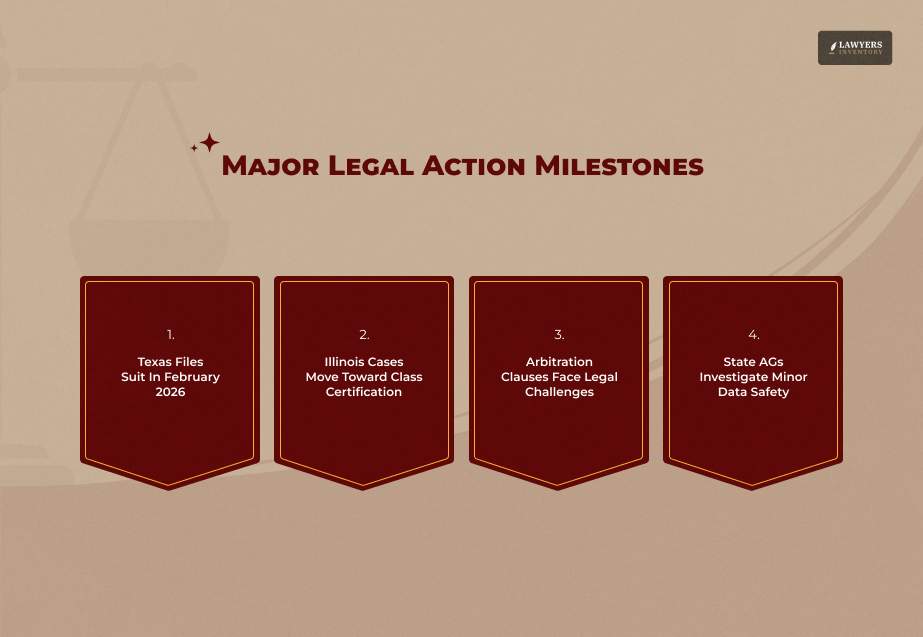
In particular, Texas Attorney General Ken Paxton filed a massive lawsuit in February 2026 for illegal data harvesting and deceptive marketing in violation of the Texas Deceptive Trade Practices Act.
Furthermore, the consolidated federal cases in Illinois and New York are currently grappling with arbitration clauses, as the company attempts to move these disputes out of public courtrooms.
For consumers interested in a Temu Class Action Lawsuit sign-up, it is essential to monitor these jurisdictional disputes, which will help you determine whether you have a claim for damages in a Class Action Lawsuit. (Source: Department of Justice, US).
In this article, we will discuss the following:
- Main claims regarding data privacy and spyware.
- Current status of state and federal lawsuits.
- Requirements for consumers affected by these activities.
- Process to safeguard your rights and data.
Understanding The Core Data Privacy Allegations
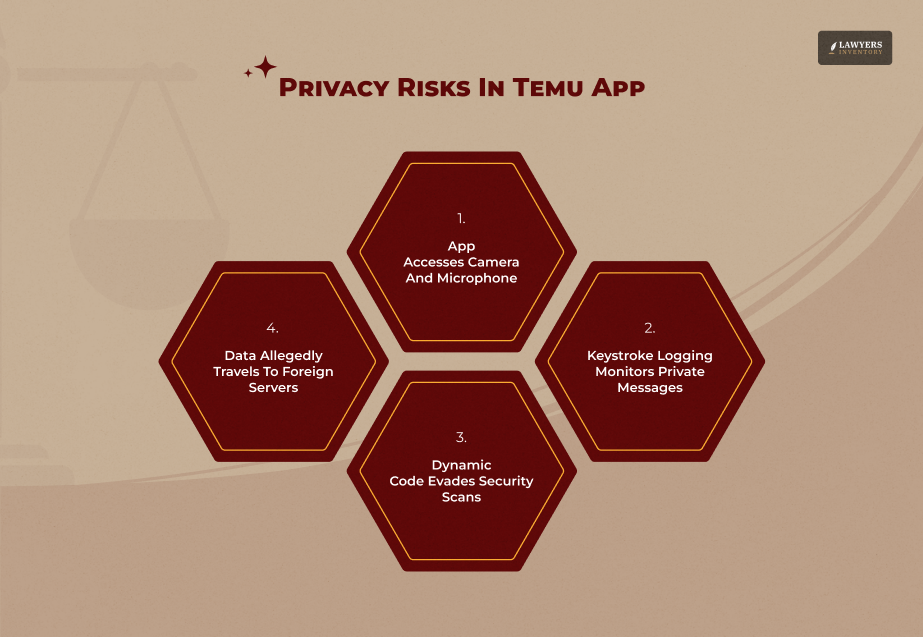
The Temu Class Action Lawsuit revolves around the issue of the mobile application deliberately evading security measures to gain access to a user’s private information.
The legal documents indicate that the mobile application has the capability to track microphones, cameras, and even private messages without the user’s consent.
The Trojan Horse Allegation
The Temu Class Action Lawsuit attorneys claim that the mobile application is designed to be invasive.
The cybersecurity professionals cited in the lawsuits claim that the software application employs dynamic code execution to alter its functionality after installation, making it impossible to detect its tracking functionality.
Wiretapping And Surveillance Claims
Another major angle in the Temu Class Action Lawsuit involves potential violations of the Federal Wiretap Act.
Plaintiffs claim the company records interactions with the website and app in real-time, capturing keystrokes and sensitive financial data without proper disclosure to the consumer.
Federal And State Litigation Status In 2026
The Temu Class Action Lawsuit is more of a complex of lawsuits that are working their way through the courts.
While some of the lawsuits are centered on privacy, others are centered on the business model of the company and its connection to international data laws.
The Texas And Arizona State Lawsuits
In early 2026, state leaders took a leadership role in the movement for the Temu Class Action Lawsuit.
Texas and Arizona have filed separate lawsuits against the company, claiming that it deceives consumers about its data practices and also lures minors with its “gamified” shopping experience.
The Federal Arbitration Battle
One of the major obstacles in the Temu Class Action Lawsuit update is the mandatory arbitration provision that is contained in the terms of service of the app.
The courts are actually determining whether the provision of these terms is unconscionable, which would allow consumers to pursue a class action lawsuit instead of arbitration.
Consumer Protection And The INFORM Act
In addition to privacy concerns, the Temu Class Action Lawsuit also involves federal transparency regulations.
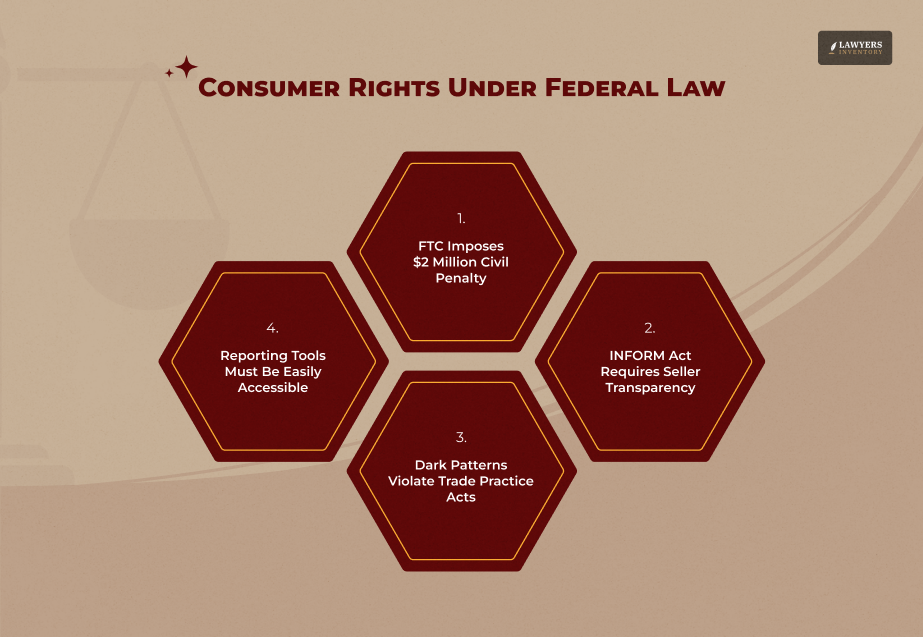
In the latter part of 2025, the Federal Trade Commission (FTC) obtained a $2 million fine against the company for its inability to check third-party sellers.
The First INFORM Act Enforcement
This Temu Class Action Lawsuit update is the first instance of the INFORM Consumers Act being enforced against a large marketplace.
The FTC claimed that the marketplace did not give consumers the tools to report counterfeit or stolen items.
Deceptive Pricing And Dark Patterns
The Temu Class Action Lawsuit also alleges “dark patterns,” which are deceptive user interface designs. These are:
Fake countdown timers and “bait-and-switch” rewards that coerce users into making purchases or handing over their contact lists to the app.
Read Also: Publix Class Action Lawsuit: Deceptive Pricing, Employee Rights & Claims Guide
How To Join The Temu Class Action Lawsuit
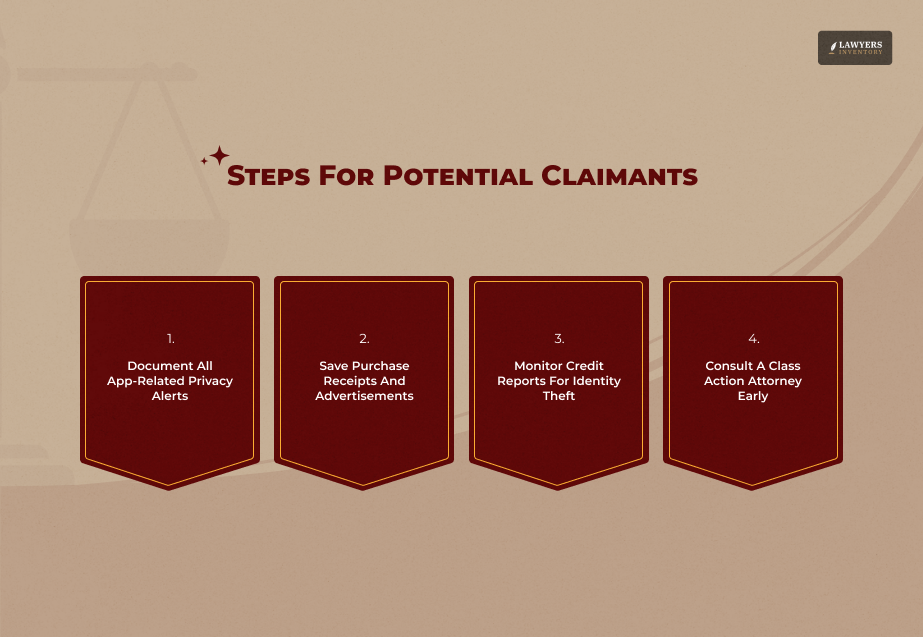
For most people, the biggest question is how to join a Temu Class Action Lawsuit. Although a final settlement has not been reached yet, consumers can do a number of things to make sure that they are included in any future settlements.
Determining Eligibility
You can be eligible for a Temu Class Action Lawsuit if you downloaded the app and made a purchase during the defined class periods.
Anyone who downloaded the app between 2022 and 2026, particularly in states with tough privacy laws such as California or Illinois, may have a claim.
Keeping Documentation For Future Claims
To effectively take part in the Temu Class Action Lawsuit, it is important to document your account and any suspicious events.
This includes:
- Copies of deceptive ads.
- Notifications of unauthorized data access.
- Receipts of purchases that did not correspond to the advertised items.
Frequently Asked Questions (FAQs):
The Temu Class Action Lawsuit is still developing as new information about data harvesting emerges. These questions and answers cover the most up-to-date concerns of US citizens about the site and their rights.
As of February 2026, there is not a single national settlement website where you can file a final claim for monetary compensation.
The Temu Class Action Lawsuit is still in the active litigation stage. However, a few private law firms are currently gathering names of affected users to create the class.
Be cautious of any website that requires a “filing fee,” as this is not a cost associated with class action lawsuits.
Yes, you can still use the app, but legal professionals would advise you to be careful. Using the app could put you at risk of the same privacy violations that are being cited in the Temu Class Action Lawsuit claim.
Moreover, using the app after being notified of the privacy concerns could potentially be used by the defense as evidence that you agreed to the privacy violations.
If you decide to continue using the app, you should set your phone’s privacy settings to their most restrictive levels.
The amounts of compensation are extremely varied based on the types of laws that have been broken. In certain privacy disputes over the Illinois Biometric Information Privacy Act, BIPA, statutory damages may reach as high as $1,000 to $5,000 per incident.
In a typical Temu Class Action Lawsuit, compensation may include the cost of credit monitoring or a proportionate share of a massive settlement award. Most people can expect a small award unless they can demonstrate actual damages from identity theft.
Leave A Reply







Tepezza Class Action Lawsuit Update 2025 – Hearing Damage Claims and Legal Options
Read More
Apple Siri Lawsuit Settlement Explained – Eligibility And Payouts
Read More
MaryRuth Organics Lawsuit: Legal Analysis, Recalls, And Consumer Impact
Read More
How To Claim Money In The GM Class Action Settlement?
Read More

0 Reply
No comments yet.