Summarize using AI





Prompt copied. Paste it into Gemini.
Today’s topic: What does under contract mean in real estate?
Having insight on what under contract means in real estate is crucial for those who seek a positive outcome of their property transactions in the USA.
It means that the seller has agreed on certain conditions proposed by a buyer, but the transaction has not been finalized yet.
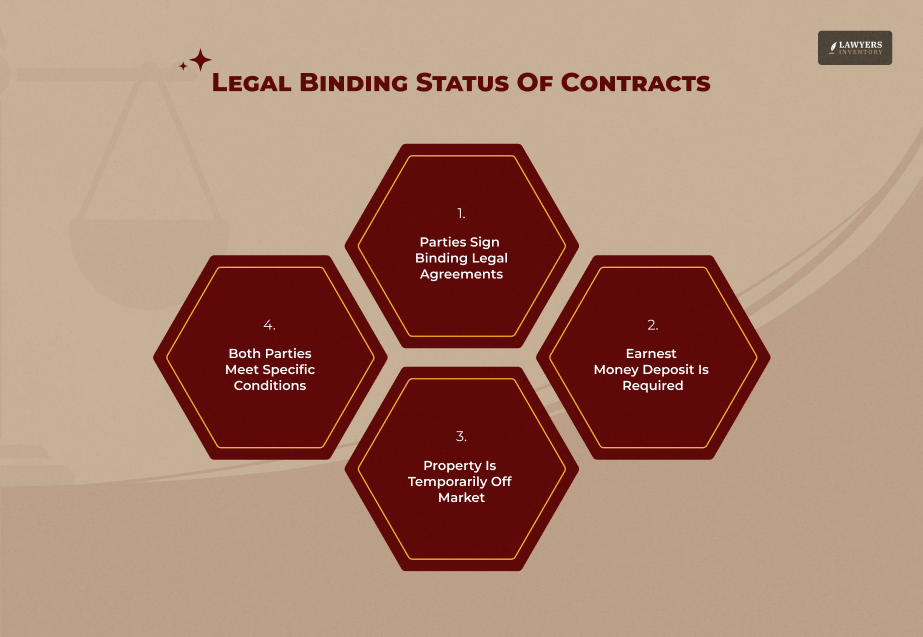
Both sides have signed an obligatory agreement which contains certain conditions which have to be met by both sides.
Although real estate laws may differ from one state to another, the procedure itself is common across the United States.
The current situation in the real estate sphere should be described as following the consequences of the NAR Settlement which came into effect in 2024.
It affected the way of commission splitting between buyers and sellers after an offer was made. Knowing about these timeframes is important if you are planning to buy/sell property right now.
In this article, we will elaborate on the following:
- The core legal definition of the under contract status.
- Specific contingencies that must be met during this period.
- The difference between under contract, pending, and contingent.
- Federal and state legal perspectives on property contracts.
- Practical advice for buyers and sellers during the escrow phase.
Defining The Legal Status Of Property Under Contract
In order to know the meaning of under contract in real estate, it is imperative to examine the move from an informal offer to a binding contract.
This period is known as the “meeting of the minds,” where the terms are settled and the price determined, but ownership has not yet been transferred.
The Importance Of The Purchase Agreement
The purchase agreement forms the basis of the whole process. It states the purchase price, closing date, and the obligations of all parties (Source: Rocket Mortgage).
Earnest Money And Security Deposits
After the property goes under contract, the purchaser deposits earnest money into an escrow account.
This ensures that the seller knows that the buyer is committed to completing the sale. The buyer will lose the earnest money if he or she backs out without a legitimate cause.
Contingencies And Conditions While Under Contract
Just because a property is still under contract doesn’t mean that it will close successfully, as contingencies have to be resolved.
Contingencies are special “if/then” statements which permit one party to withdraw from the contract without incurring any legal penalties.
Popular Buyer Protections And Property Inspections
Inspection contingencies are common for many deals. These are necessary for examining a property for serious damage to its structure or wiring.
In case the problem is severe, the buyer may request repairs or terminate the agreement (Source: Lending Tree).
Financing And Appraisal Provisions
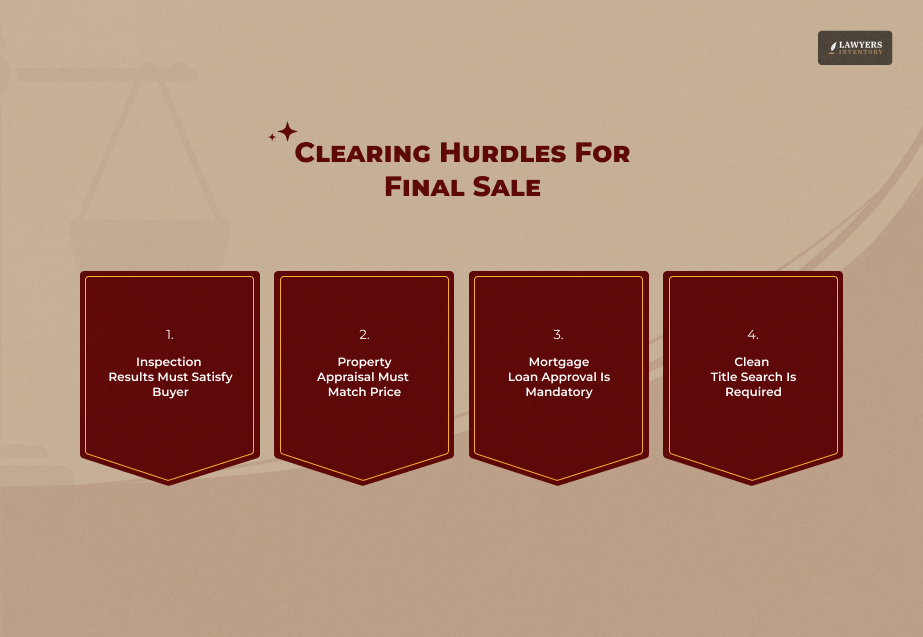
In most instances, the agreement becomes effective pending the completion of financing and appraisals.
If the lender refuses the mortgage or the property value falls below the appraisal amount, then the “under contract” status will end.
Online Variations Of Property Listings
While surfing the web, you could question what does under contract mean on zillow and other websites.
The terms used by online listings differ depending on the stage in the real estate sales process that the property is at.
Active Under Contract And Pending
There are numerous occurrences when you will come across what does active under contract mean.
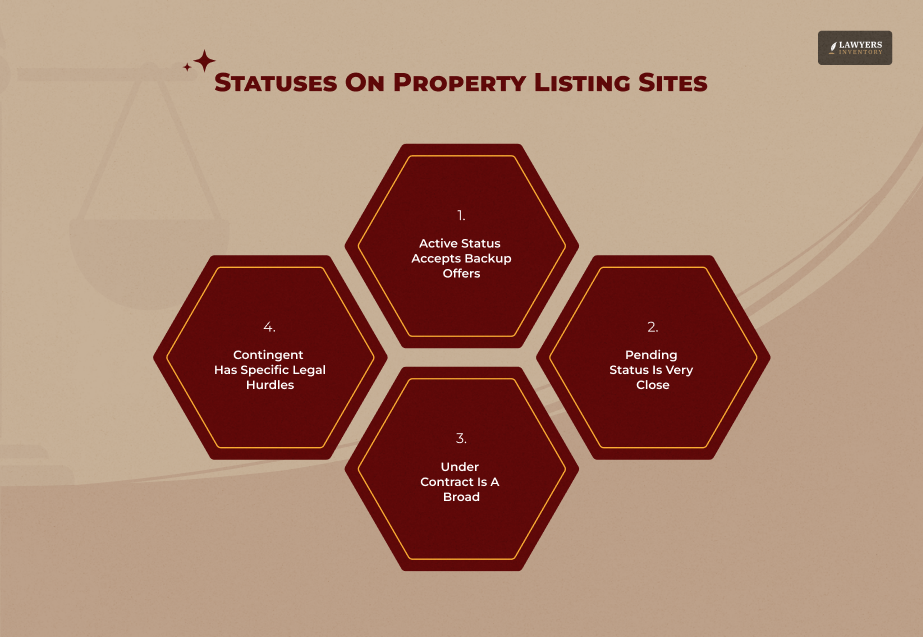
This implies that the seller has an offer, but they are open to additional offers should the first arrangement not succeed (Source: Opendoor).
Comparison Between Under Contract And Contingent
What does under contract mean? This is a general term, unlike “contingent,” which is more specific.
It refers to a situation whereby there is an existing agreement but depends on one crucial condition.
Difference Between Under Contract & Contingent Statuses
Under contract means the property is currently under contract with a potential buyer.
However, there are special conditions for some cases, such as a contingent status, which is a category of sale terms when some requirements need to be fulfilled before getting into the ‘pending’ status (Source: Redfin).
The Seller’s Right To Show
The term ‘contingent’ does not affect the fact that the property will remain on MLS ‘active’.
The reason why the sellers put the houses on MLS active when they are “under contract” is due to their desire to create a safety margin if the buyer does not fulfill its requirements in time.
Strategical Aspects For Buyers
In case you are interested in buying the property but notice that it is “under contract”, do not lose hope.
It may happen that your offer will become the only way out since a “contingent” offer implies that the property is still not sold.
The Right Of First Refusal
Contingent offers typically contain a “kick-out clause”. It means that the seller can show the property to other buyers while still keeping the contract valid.
The first buyer gets a period from 24 hours to three days for fulfilling the requirement.
Federal And State Laws For Real Estate Contracts
Real estate laws in the USA are generally state-based laws; however, the federal laws offer a higher level of fairness concerning housing and lending.
These laws help to ensure that as soon as something is put into the contract stage, it will stay within this scope fairly and transparently.
Statutes Of Frauds And Written Contracts
The Statute of Frauds applies to all the states where real estate transactions are concerned. Verbal agreements of buying a property cannot be regarded as valid and legally binding contracts.
Specific States’ Disclosure Laws
There are very strict “Transfer Disclosure Statements” in states such as California. This means that any seller will need to disclose any defects related to the real estate while it is in the contract stage.
Important Real Estate Law Cases
It is the US courts that have made real estate transaction processes work properly through their rulings.
Often, judges have helped to determine the “means” in cases where there was a dispute between the parties.
Stambovsky V. Ackley (1991)
In this well-known case known as “Haunted House,” the court delivered a decision on disclosures.
It held that where a seller develops a reputation for the property (for example, if the property is believed to be haunted), such information should be disclosed by the seller to the buyer before the sale under contract (New York Courts).
Johnson V. Davis (1985)
The Florida Supreme Court ruling in this case revolutionized the laws on property disclosures.
The ruling established that all material facts that affect the value of the property, which cannot be detected by the buyer, should be disclosed by the seller.
Frequently Asked Questions (FAQs):
There are many difficulties that may arise in handling various property statuses. The following list attempts to answer some common inquiries concerning what does under contract mean in real estate.
It greatly depends on the kind of contract. Typically, houses require 30 to 45 days. In case of cash transactions, it can be as short as one week.
Usually, no. After signing the contract, the seller is obligated to the current buyer. Yet, they may still accept the so-called “backup offer” if the initial contract fails due to a legal issue.
Being under contract implies that the transaction is still in its preliminary stage where there are still pending contingencies.
Being pending indicates that all contingencies are fulfilled and that the buyer’s financing is approved and that all that is left is to wait for the closing day.
Active under contract is when the seller has a binding agreement, but continues to look for backup agreements.
“Pending” means all the obstacles have been overcome, and the property is almost sold, pending only the final paperwork.
Not necessarily. If it is under “active under contract,” the owner might let you see it. Around 15% of sales will fall apart, so being a backup buyer makes sense.
The down payment is placed in escrow. If you back out of the sale for any reasons mentioned in your contingencies, you will be able to get your money back. However, if you terminate for any other reason, the seller retains your deposit.
Buyer’s remorse, issues with the home inspection, or loss of employment are the usual reasons why sales are canceled. In addition, difficulty obtaining financing or failing to meet the appraised value is highly common.
Leave A Reply







Understanding The Lady Bird Deed: What Is It & How Is It Better?
Read More
Is Section 8 Getting Cut Off: Answering The Most Asked!
Read More
Texas Built Construction Lawsuit Explained: Rights, Remedies, And Legal Truths
Read More
Real Estate Commission Lawsuit: How to Take Part in the $730 Million Settlement?
Read More
0 Reply
No comments yet.