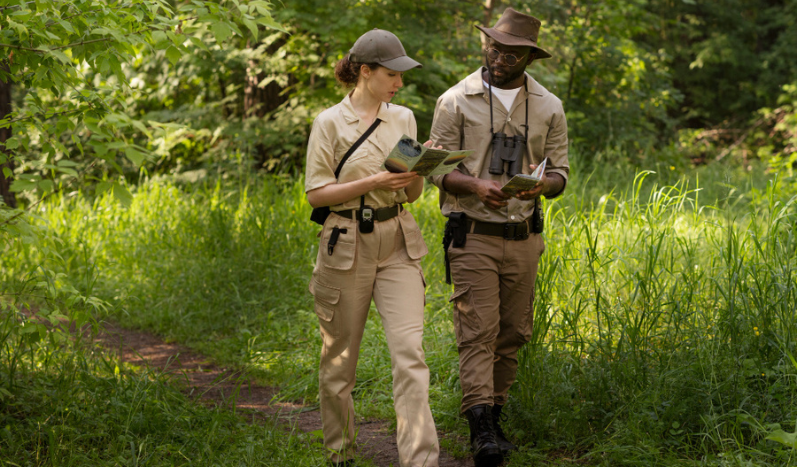
Texas has one of the biggest hunting industries in the country, but it also operates differently from many other states.
While public land hunting plays a major role across much of the United States, Texas hunting is heavily tied to private ranches, guided hunts, and leased land. That simple distinction has a massive impact on the way hunting laws affect people across the state.
For many outfitters and ranch owners, Texas hunting laws and regulations are far more than just rules hunters need to follow during deer season. These laws can impact:
- Ranch operations.
- Hunt scheduling.
- Harvestable species.
- Guest management.
Additionally, it also impacts how much legal risk a property owner may face if something goes wrong.
Texas hunting laws shape hunting operations by forcing ranches to balance wildlife preservation, land management, safety, and customer experience simultaneously.
As hunting operations continue growing throughout Texas, understanding the legal side of the industry has become just as important as understanding the animals themselves.
What Are Hunting And Conservation Laws?
Before talking about Texas hunting laws, let us talk about what these sets of rules and regulations are in the first place.
Hunting and conservation laws include regulations that help control wildlife populations while still allowing hunting in a controlled manner.
These laws regulate the following things:
- Hunting licenses.
- Season dates.
- Public hunting access.
- Tagging requirements.
- Rules surrounding different species.
In Texas, hunting rules are mainly implemented by the Texas Parks and Wildlife Department (TPWD). This department handles hunting licenses, public land hunting dates and access, tagging, and specifications related to different species.
The main purpose of such laws is to stop the overhunting and ensure the survival of wildlife.
Species may decline in number a lot or even become endangered due to habitat loss, unregulated hunting, and other environmental factors if there were no conservation laws in place.
While these regulations might be quite clear to hunters, they often influence the daily work of outfitters and ranches in ways that people who are outside the business hardly ever see.
Why Texas Hunting Laws Are Different From Other States
Texas hunting laws stand apart largely because of how much hunting takes place on private land. In many western states, hunters rely heavily on federally managed public land.
Texas operates quite differently, where large private ranches dominate much of the hunting industry, and many of those properties function as strong businesses that generate income through guided hunts, hunting leases, lodging, wildlife management programs, and year-round outdoor tourism.
That private land structure changes how hunting regulations affect the industry. A hunting law in Texas does not just impact individual hunters.
Rather, it can also directly affect ranch operations, guide services, seasonal bookings, insurance costs, and long-term land management decisions.
Many Texas hunting outfitters and ranches now operate almost like outdoor hospitality businesses.
Some properties offer guided whitetail hunts during the fall, hog hunting throughout the year, exotic game packages, lodging accommodations, and corporate hunting trips, all on the same property.
Because of this, hunting and conservation laws often carry financial implications for ranch owners and outfitters that go well beyond recreational hunting itself.
How Licensing Texas Hunting Laws Affect Hunting Outfitters
Outfitting a hunting expedition in the woods could get tricky when issues like licensing requirements arise.
Additionally, they are among the most common legal sorts of dilemmas outfitters may face around hunting seasons.
In general, Texas requires hunters to have a valid hunting license on them when hunting. According to the species and the hunting area, one might need different types of stamps or permits for various hunts.
So, for the outfitters, being lawful may mean their clients’ being compliant with the law. Yes, even when they have not set foot on the ranch yet.
In fact, some guided hunting businesses dedicate their time to helping patrons grasp licensing regulations, mostly when the guests come from another state.
Out-of-state hunters may not be well-versed in the following things:
- Texas hunting laws.
- Season calendars.
- Hunter education programs.
This often means a situation where the necessary paperwork might cause a problem due to being incomplete or having been misunderstood.
Even more confusion might be created by public hunting sites because some public hunting areas require public hunting permits. And that is besides the standard licenses that everyone has to possess.
For outfitters, helping clients stay compliant is not just about customer service. It can also reduce liability concerns and help prevent legal complications during hunts.
How Feral Hog Laws Changed The Texas Hunting Industry
Few legal issues have impacted Texas hunting laws and operations more than feral hog laws.
Unlike deer and many native game species, feral hogs are classified as invasive animals that cause widespread agricultural and environmental damage throughout Texas.
Because of that classification, the state allows much looser hunting regulations surrounding hogs than traditional game animals.
Texas permits year-round hog hunting on private land, and in many situations, hunters can legally hunt feral hogs without a hunting license if they have landowner authorization.
Those laws helped create an entire hunting market centered around:
- Guided hog hunts
- Night hunting
- Thermal hunting
- Population control operations
For many outfitters, feral hog hunting became a way to generate business outside traditional deer season. Some ranches now offer year-round hog hunting packages that attract both experienced hunters and tourists looking for a unique outdoor experience.
At the same time, these hunts still involve legal responsibilities tied to firearm safety, trespassing laws, nighttime shooting regulations, and local ordinances.
While hog hunting laws are more flexible, outfitters still need to carefully manage how hunts are conducted on private property.
How Conservation Laws Affect Native Game Hunting
The regulations on feral hogs are quite lenient. However, policies for native game animals are much more rigorous when it comes to conservation rules.
Weapons season, tagging system, bag limit, and county-specific hunting rules are the tools with which native species such as whitetail deer, turkey, dove, and quail are protected.
The main idea behind these laws is to keep the wildlife population stable and to stop excessive hunting. For outfitters and ranches, those laws frequently determine the entire hunting schedule.
Lots of hunting properties allocate a great portion of their resources in managing habitat, feeding programs, installing water systems, and monitoring wildlife to keep game populations at a healthy level.
A hunting ranch that succeeds is one that is concerned with long-term conservation practices, since the worth of the property is actually based on how good the wildlife is.
This way, conservation laws cannot be just seen as a limitation for hunting businesses. However, they also inadvertently serve the purpose of preserving the viability of the industry in the long run.
How Exotic Hunting Laws Affect Texas Ranches
Texas has also emerged as one of the biggest exotic hunting spots in the US. Lots of ranches provide hunting opportunities for species like axis deer, blackbuck antelope, nilgai, and aoudad.
Since exotics are often not subject to the same controls as native game animals, this allows most ranches that have exotic animals to offer exotic hunts throughout the year on private lands.
It can be a great way for hunting properties to earn extra money. And that’s particularly outside the traditional deer seasons.
The bottom line is that exotic hunting activities do raise legal issues related to fencing, property boundaries, registration of transportation, animal ownership, and potential liabilities.
Owners of ranches should also take into consideration the impact of exotic animals on native wildlife and farming operations.
In fact, hunting on many Texas ranches today is not just about sport. It is a mix of tourism, wildlife management, farming, and outdoor recreation, all under an increasing layer of legal controls.
Hunting Lease Agreements Have Become More Important
Having a hunting lease agreement in writing is one of the critical ways by which landowners and outfitters can be protected when commercializing hunting operations.
When a ranch leases its land to individuals or clubs, it may face disputes over the following:
- Boundary liability.
- Guest policies.
- Damage to infrastructure.
Formal, clear contracts go a long way in preventing these problems because they set out the rules for the use of firearms, vehicles, and accommodation.
So basically, in this way, one can eliminate legal confusion even before the start of the hunting season.
Read Also: Common Fish and Wildlife Violations and Their Penalties
Public Land And Private Ranches Face Different Rules
One major difference in Texas hunting involves the contrast between public hunting land and private ranch operations.
Private ranches generally have more control over scheduling, guest management, and property access. Public hunting land, however, often involves stricter permit systems and additional oversight.
Hunters using public land may face:
- Limited hunt dates.
- Lottery systems.
- Weapon restrictions.
- Area-specific regulations.
Because of this, many outfitters focus primarily on private ranch hunts where the hunting environment can be managed more consistently.
That private land structure is one reason Texas developed such a large outfitter industry compared to many other states.
Conservation Laws Still Benefit Hunting Businesses
Although hunting regulations can sometimes create operational challenges, conservation laws also help support the long-term stability of the hunting industry.
Healthy wildlife populations support:
- Sustainable hunting
- Rural tourism
- Hunting lease income
- Wildlife habitats
- Long-term ranch value
Without conservation programs, many hunting ranches would struggle to maintain quality game populations over time.
Feral hog laws also provide another example of how conservation policy can directly affect business opportunities.
Because Texas aggressively encourages hog population control, outfitters are able to operate year-round Texas hog hunting businesses that would not exist under traditional game regulations.
In many ways, conservation laws create the framework that allows hunting businesses to continue operating long-term.
Leave A Reply








The Motorcycle Was There So Why Didn’t The Driver See It?
Read More

7 Workplace Issues That Can Create Legal Risk For UK Employers
Read More
0 Reply
No comments yet.