Quick Answer

A severe personal injury is enough to change one's life completely. Besides the immediate physical pain and the trip to the emergency room, a personal injury can forever impair the victim's mobility, independence, financial state, and mental happiness. In the legal system, such dramatic changes are not only personal difficulties - they also constitute recognized forms of damages from which compensation can be requested.
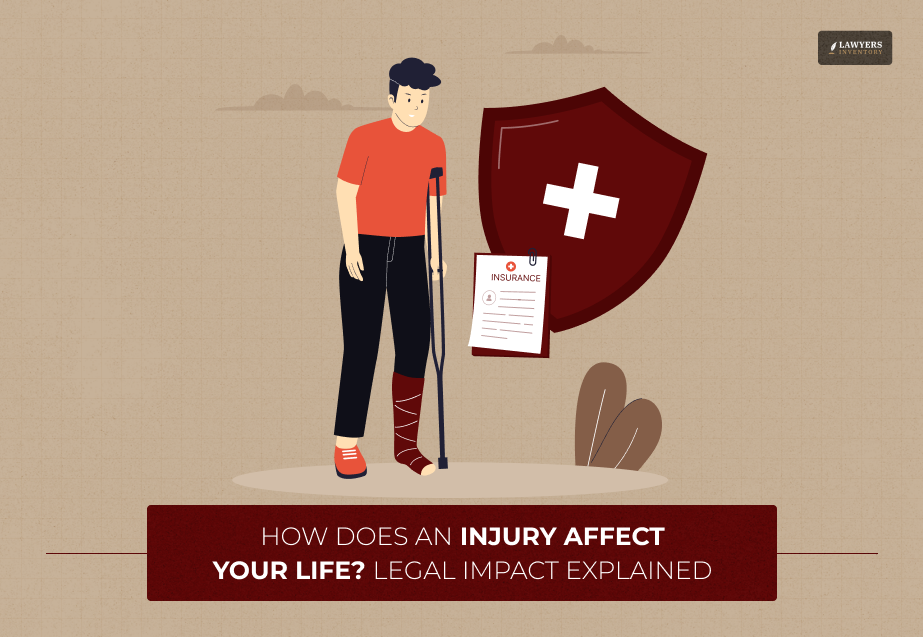
How does injury affect your life? After a personal injury, your life may never be the same.
This is why it can affect your mobility.
And guess what happens when an injury affects your mobility? It can take away your feeling of independence.
Additionally, personal injuries can change the way you go about daily life.
It can completely alter how you walk, bend, and more.
Therefore, this can lead to you needing assistance from tools like a walker.
In other cases, you may need a caretaker to help you with your daily activities.
So, if you are struggling mentally or physically after an injury, one solution can help lift a weight off your shoulders.
Reach out to an experienced personal injury law firm to help you obtain compensation for what the injury has put you through.
How Does Injury Affect Your Life And Mobility?
Many mobility problems can arise from personal injuries. Injuries can damage parts of your body, like your neck or joints.
This damage can lead to the loss of the ability to move certain limbs completely.
Even if the injury isn’t severe, it can still limit how well you can move your limbs compared to before.
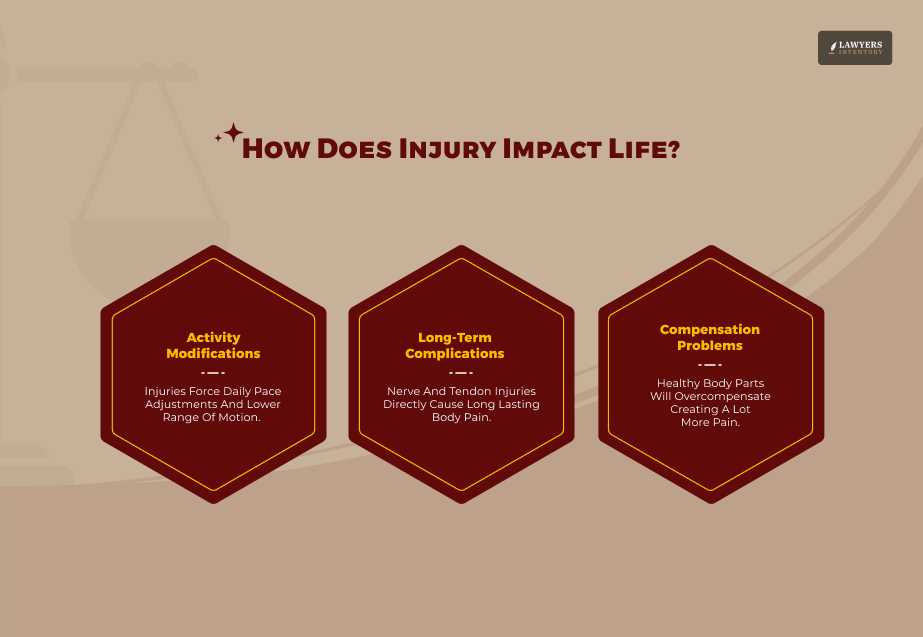
One main mobility issue you might face is the need to change your activities.
You may also experience long-term complications, issues with getting compensation, and mental health effects.
1. Activity Modifications
Before an injury, you may have been able to lift heavy objects with ease. After an injury occurs, you could find yourself needing to decrease your load.
Not only that, but your range of motion can become smaller.
To prevent complications, you may also need to start considering the tempo at which you move.
You might need to start moving more slowly to lessen the amount of pain you’re in.
2. Long-Term Complications
Some personal injuries can result in long-term mobility complications. Some common types of long-lasting injuries involve nerve and tendon damage.
For instance, when a peroneal nerve becomes damaged, it can result in foot drop.
This nerve damage can lead to complete numbness. It’s not uncommon to have a tingling sensation that creates mobility problems.
Additionally, these new problems can lead to instability and chronic pain. Damage done to your peroneal tendons can result in muscle loss.
As your muscle deteriorates, it will reduce your strength. In the end, it can even change the overall structure of your foot or leg.
3. Compensation Problems
Once you receive an injury, your healthy body parts can take on additional tolls.
When this happens, they overcompensate for the part of the body with an injury.
For example, if one of your ankles has an injury, you may notice knee pain.
You may also feel pain in your hips. In instances like these, it’s beneficial to look into using various types of assistance.
Aids can come in the form of braces and crutches, to name a few.
Personal Injury And Loss Of Independence
A catastrophic injury can strip away your autonomy, forcing you to rely on caretakers, family members, or medical tools to complete basic Activities of Daily Living (ADLs).
Insurance companies and courts evaluate how an injury impairs your ability to perform six essential daily tasks:
- Eating
- Dressing
- Bathing and Showering
- Grooming
- Toileting
- Functional Mobility (walking and transferring)
When you must rely on others for these basic tasks, or for secondary needs like driving and grocery shopping, it can trigger a severe psychological toll.
Many injury victims experience a profound sense of helplessness, a loss of personal identity, and a withdrawal from social events, hobbies, and family gatherings.
In personal injury law, this specific impact is known – and compensated – as loss of enjoyment of life.
The Mental Health Toll Of Physical Trauma
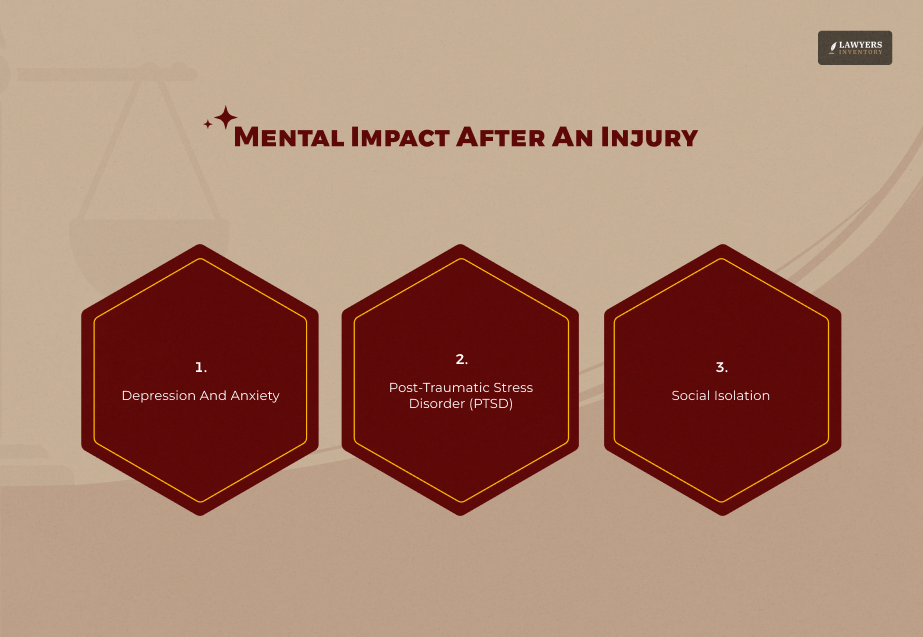
The psychological aftermath of a personal injury is often just as debilitating as the physical damage. Victims frequently navigate complex psychological conditions following an accident:
Depression And Anxiety:
Coping with chronic pain and a sudden change in physical capability can fundamentally alter how you view yourself, leading to clinical depression.
Post-Traumatic Stress Disorder (PTSD):
Motor vehicle accidents, workplace falls, and traumatic events can leave victims battling severe trauma responses, including debilitating flashbacks, nightmares, and heightened panic.
Social Isolation:
Managing public spaces with a newfound disability or visible injury can cause severe social anxiety, causing victims to isolate themselves to avoid public scrutiny.
Loss Of Consortium And Family Impact
Nobody experiences an extremely serious injury completely independently of their family – it completely changes the pattern of the family.
When the negligence of another results in the physical and mental capabilities of the victim being totally destroyed or limited, the spouse as well has lost not only the comfort, but also the most necessary part of conjugal intimacy.
In civil law, this concept of spousal relationship loss due to injury is referred to as “Loss of Consortium,” and it is considered a form of noneconomic damages.
As defined under the Restatement (Second) of Torts § 693, a loss of consortium claim compensates an uninjured spouse for the sudden deprivation of “services, society, and conjugal affection.”
Courts look beyond financial metrics to evaluate how severe trauma alters everyday domestic life. This includes the loss of:
- Companionship and Society: The emotional bond, shared hobbies, and mutual reliance that form a marriage.
- Affection and Solace: The vital elements of care, moral comfort, and emotional support.
- Marital Intimacy: The physical benefits and conjugal life uniquely shared between partners.
- Household Services: Practical contributions like childcare and domestic maintenance.
Because this is a derivative claim, its legal success depends entirely on proving the fault of the negligent party in the primary injury lawsuit.
How Does Injury Affect Your Life: Handling The Aftermath
After a personal injury occurs, you may suffer from problems. Guess what? These will also lessen your independence.
In fact, you may not have much ability to move.
Now, you must ensure you can create a strong claim in the future.
So, legal experts suggest that you seek immediate medical attention after the injury occurs.
You will also want to be sure to gather a substantial amount of information about the scene of the incident.
It’s best practice to document everything you can and take pictures of
- Property Damages
- Hazards
- Injuries
Additionally, you should contact your insurance company to create an incident report.
An important thing to do, though, is to keep records and follow medical advice to strengthen your claim.
You should consider hiring a personal injury lawyer.
This type of lawyer can help you wade through these steps. In addition, this will also increase your chances of receiving a substantial payout.
Leave A Reply








What Is A Business Entity? A Simple Guide For New Business Owners
Read More
When Should You Take A Criminal Charge Seriously?
Read More
Who Is Responsible For Pest Problems In Dallas Rental Properties
Read More
Considering A Sexual Abuse Claim? Know What Legal Support Offers
Read More
0 Reply
No comments yet.