Summarize using AI





Prompt copied. Paste it into Gemini.
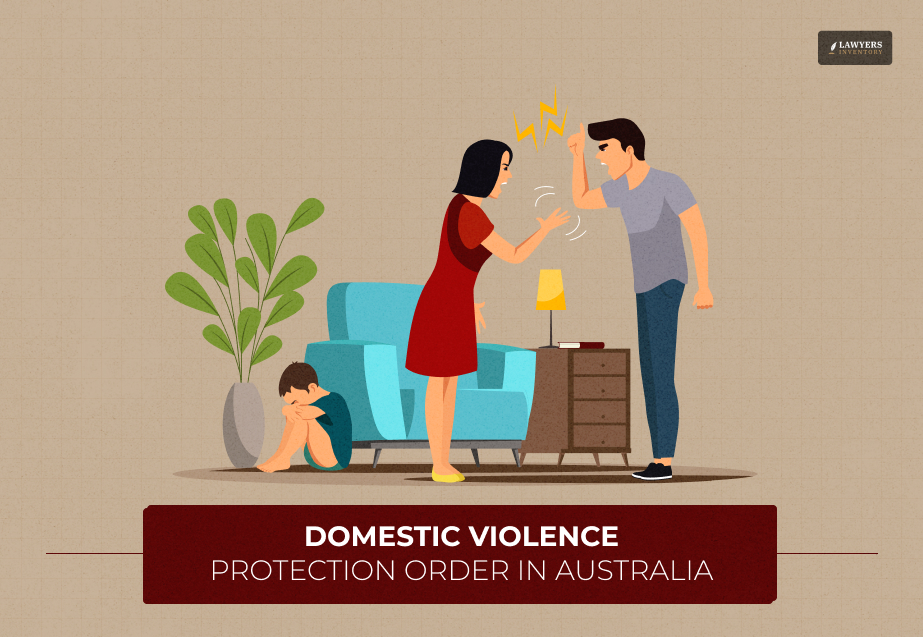
A Domestic Violence Protection Order is an official legal order. A Magistrate or Local Court issues this document to protect people from relationship and family violence.
In Australia, state and territory governments control these laws. The country does not have one single federal system for this issue. Because of this fractured system, these protective measures have different names depending on where you live.
For example, the court calls them Intervention Orders (VIC), Apprehended Domestic Violence Orders (NSW), or Domestic Violence Orders (QLD).
Crucially, these civil orders are not criminal charges by themselves. However, breaching any condition in a final or temporary order is a serious criminal offense.
If the respondent breaks the rules, the police can arrest them immediately. The abuser can then face criminal charges and prison time.
What Is A Domestic Violence Protection Order In Australia?
In Australia, a Domestic Violence Protection Order is a legally enforced court order created for safeguarding victims from domestic abuse or harassment.
It sets down very clear regulations for an abuser’s civilian life – like prohibiting contact or having him stay away from the location, and violating this law people see as a major criminal act
Understanding Your State’s Legal Framework
Australia relies on different laws for civil protection. Therefore, you must find the specific act that applies to your location. Finding the right law ensures a successful court application.
The table below shows the exact names, laws, and courts for domestic violence protection applications across the country:
| State / Territory | Legal Name of the Protective Order | Primary Governing Legislation | Relevant Court System |
| New South Wales (NSW) | Apprehended Domestic Violence Order (ADVO) | Crimes (Domestic and Personal Violence) Act 2007 | Local Court of NSW |
| Victoria (VIC) | Family Violence Intervention Order (FVIO) | Family Violence Protection Act 2008 | Magistrates’ Court of Victoria |
| Queensland (QLD) | Domestic Violence Order (DVO) | Domestic and Family Violence Protection Act 2012 | Magistrates Court of Queensland |
| Western Australia (WA) | Family Violence Restraining Order (FVRO) | Restraining Orders Act 1997 | Magistrates Court of WA |
| South Australia (SA) | Intervention Order (IO) | Intervention Orders (Prevention of Abuse) Act 2009 | Magistrates Court of SA |
| Tasmania (TAS) | Family Violence Order (FVO) | Family Violence Act 2004 | Magistrates Court of Tasmania |
| Australian Capital Territory (ACT) | Family Violence Protection Order (FVPO) | Family Violence Act 2016 | ACT Magistrates Court |
| Northern Territory (NT) | Domestic Violence Order (DVO) | Domestic and Family Violence Act 2007 | Local Court of the NT |
Domestic Violence Protection Order Eligibility
To get a domestic violence protection order, you must show a reasonable fear for your safety and life. The court officially calls the plaintiff the “aggrieved one” or the “affected relative.”
In addition, the contemporary Australian legal system recognizes that domestic abuse includes more than just physical violence.
State laws define various forms of abusive conduct as legal grounds to obtain a protection order.
Physical And Sexual Abuse:
This behavior refers to direct bodily injury. Examples include punching, choking, and slapping.
It also includes any instance where an abuser forces a person to engage in a sexual act without their consent. Finally, using physical restraint also qualifies as physical abuse.
Psychological Or Emotional Abuse:
This category refers to persistent behaviors. The abuser uses these actions to humiliate, isolate, or intimidate another person.
For instance, it includes verbal assaults and stalking through digital applications. Threatening to harm pets and children also falls under this category.
Financial Abuse:
This situation happens when a person denies a partner the freedom to make financial decisions. The abuser might control income and finances through bank transactions.
For example, they might hide sources of money. They might also prevent a partner from looking for employment, or refuse to provide money for food and medicine.
Coercive And Controlling Behavior:
Several states now have separate laws against controlling and coercive behaviors. This behavior takes place over a long period of time. The abuser manipulates and threatens the victim. Ultimately, they aim to dominate and subjugate the victim’s will.
Domestic Violence Protection Order: Step-by-Step Application Process
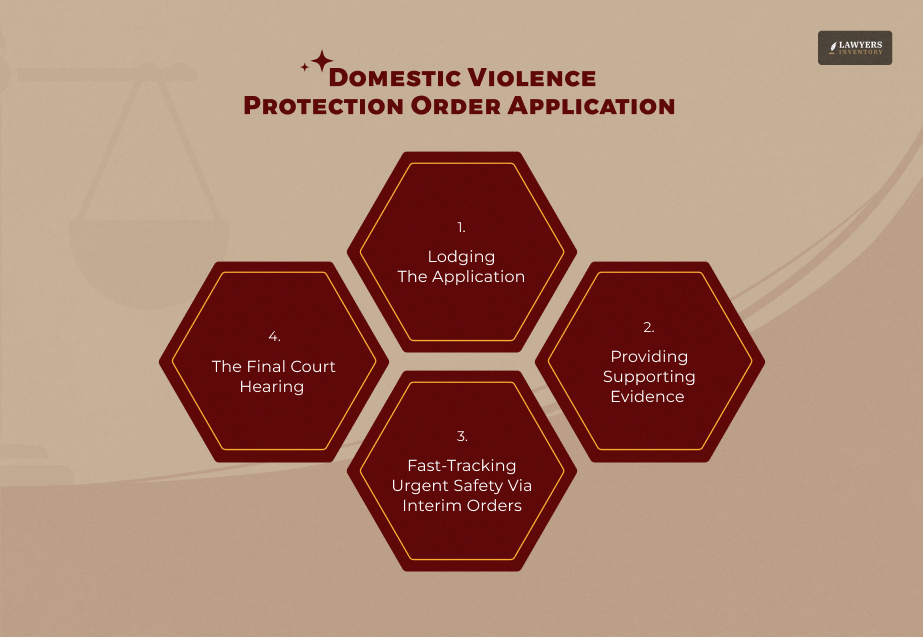
Going to court during a stressful time can feel overwhelming. However, you can manage the situation by following the four standard stages of the application process:
Step 1: Lodging The Application
You can start the application yourself, or the police can do it for you. If you apply on your own, you can use the online portal on your state’s court website.
Alternatively, you can visit a local courthouse and fill out physical forms. The application must clearly list the dates of the abuse and explain why you need ongoing protection.
Step 2: Providing Supporting Evidence
The court decides civil protection cases based on the “balance of probabilities.” This is a lower standard than the criminal rule of “beyond a reasonable doubt.”
Even so, strong evidence makes your case much more successful. Important documents include:
- Photos of physical injuries or broken property.
- Copies of scary text messages, emails, or social media posts.
- Police incident numbers or reports from a doctor.
- Written statements from neighbors or coworkers who saw the abuse happen.
Step 3: Fast-Tracking Urgent Safety via Interim Orders
Courts are often very busy. Because of this, a final hearing might take weeks or months to happen.
Therefore, if you are in immediate danger, a Magistrate can grant an Interim Protection Order during your first quick appearance. The court often does this without telling the abuser first. This is called an ex parte application.
As a result, an interim order gives you full legal protection right away. The order becomes active the exact moment the police hand the paperwork to the abuser, who is called the “respondent.”
Step 4: The Final Court Hearing
During the final hearing, both sides show their proof to a Magistrate. Next, the respondent can either fight the application or agree to the order.
They can agree to the order even if they say they did nothing wrong. If they fight it, the judge looks at all the evidence and listens to both sides.
Finally, if the Magistrate believes the abuse happened and might happen again, they will issue a Final Protection Order. This order usually lasts between one and five years.
What Restrictions Can Be Placed On The Abuser?
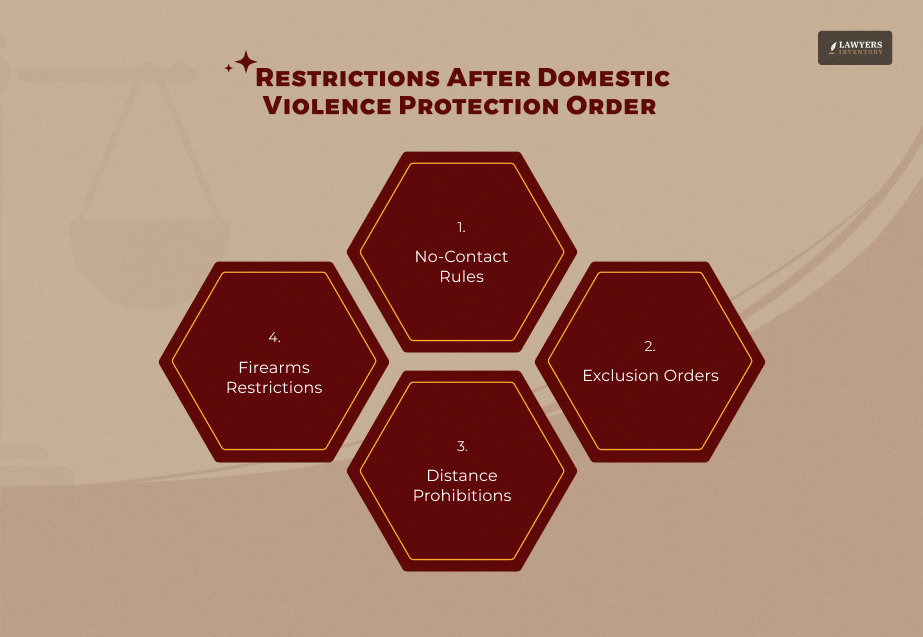
A protection order does not just tell an abuser to behave well. Instead, Magistrates can choose specific rules to protect the victim and any children. These rules often include:
No-Contact Rules:
These rules restrict the abuser from making any contact with the protected person. The abuser cannot call, text, email, or approach the victim.
Furthermore, the abuser cannot use intermediaries to send messages. Friends and relatives must not communicate with the protected person on the abuser’s behalf.
Exclusion Orders:
These laws demand that the abusive partner leave the family home right away. The rule remains valid even if the abuser bought the house. It also applies if the abuser pays the rent.
Distance Prohibitions:
This condition orders the abuser to stay a specific distance away from the victim. For example, the court can force them to stay away from the victim’s home, workplace, or school.
Firearms Restrictions:
These laws automatically cancel the abuser’s firearms license. In addition, the police will immediately seize all weapons in the abuser’s possession.
Accessing Free Legal Support And Advocacy
You do not have to handle the legal system alone. Because the process is complicated, free networks across Australia exist to help you. These services help you fill out forms, speak for you in court, and find safe housing:
Legal Aid Commissions:
Every state has a free legal aid office, like Legal Aid NSW or Legal Aid Queensland. They provide free lawyers at the courthouse to help you on your court day.
Community Legal Centers (CLCs):
These are independent, non-profit clinics that offer free advice. You can use the Community Legal Centers Australia website to find an office near you.
Women’s Legal Services:
These are special legal groups for women. They operate in every state and provide safe support for women dealing with domestic abuse and family separation.
Leave A Reply







How Law Enforcement Counters The ListCrawler Cartel Scam Network
Read More
Is Publicrecords.us Legit? Can I Trust It As A Platform For Searching Public Records?
Read More
Consumer Alert: How The Prizechecker Sweepstakes Loop Ensnare Cards
Read More
Why Is Onvoy LLC Calling Me? Tracking Wholesale Carriers And Robocall Networks
Read More
0 Reply
No comments yet.