
Mothers researching how to obtain full child custody often face a complex legal system. In fact, this emotionally overwhelming process puzzles many parents.
However, understanding your specific statutory rights completely changes the trajectory of your family law case. Furthermore, clear legal responsibilities protect your parental interests.
In a modern family law framework, “full custody” typically means sole legal and physical custody.
Essentially, this arrangement grants one parent the exclusive right to make major life choices for the child. Meanwhile, that parent also serves as the primary day-to-day caregiver.
Historically, U.S. Census Bureau data indicates that mothers comprise roughly 80% of custodial parents.
However, recent tracking from the Pew Research Center emphasizes that 17% of U.S. children now live in blended families.
Consequently, this demographic shift pushes family court judges to favor joint co-parenting models aggressively.
So, how to get full custody of a child as a mother?
You might be shocked to know that a mother seeking sole custody must clear a high evidentiary hurdle. Specifically, you must prove that stripping the other parent of rights directly serves the child’s welfare.
To know more, keep reading!
Deconstructing Child Custody: Legal vs. Physical Status
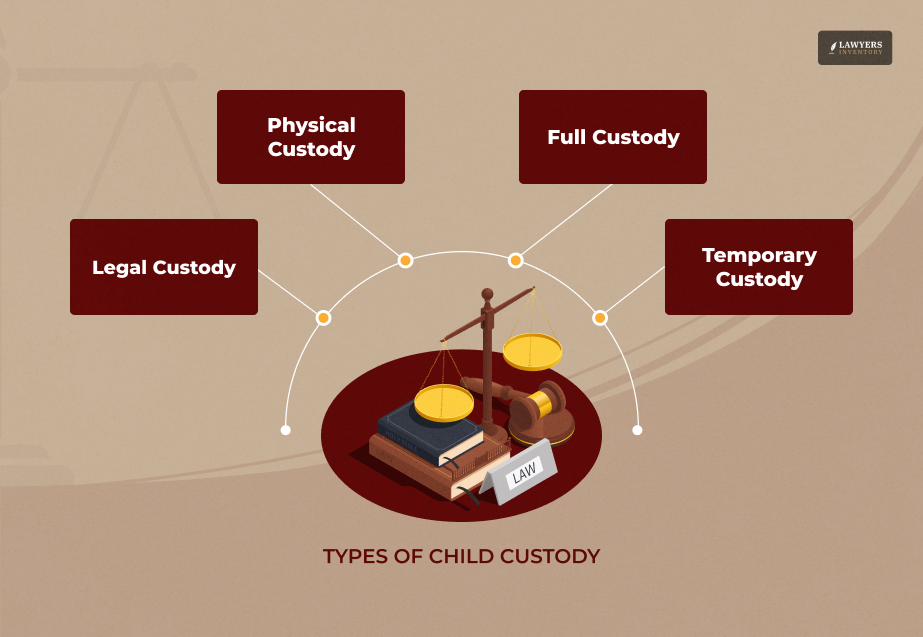
To build a compelling case, you must understand exactly what custody types you request from the court. Fortunately, family law separates parental rights into two distinct legal categories:
1. Legal Custody:
This status dictates who makes major, long-term decisions regarding your child’s upbringing. Specifically, these choices encompass healthcare options, school selection, and religious instruction. In addition, they cover general well-being.
Courts can award joint legal custody. Consequently, this order forces both parents to agree on major decisions.
Alternatively, judges grant sole legal custody. Thus, one parent gains absolute decision-making power.
2. Physical Custody:
This status determines the physical location of the child’s home. Besides that, it refers to the person who is responsible for the child’s daily nurturing. In joint physical custody scenarios, the child alternates living with both parents.
But sole physical custody entails that the child stays with one main parent most of the time. Usually, the parent without custody gets to have the child during the specified visitation periods.
In cases of divorce or separation, the court often sets temporary custody arrangements. As a result, these decisions provide a child’s environment to be orderly and consistent during the period the court is deciding the final permanent ruling.
Read Also: Can I Take My Child Out Of State If There Is No Custody Order?
The Legal Standard: The Best Interest Of The Child
Family courts do not grant sole custody to reward one parent. Similarly, judges do not use custody to punish another.
Instead, judges utilize the universal “Best Interest of the Child” standard to evaluate every custody petition. (Source Legal Information Institute)
To secure full custody, a mother must present definitive, unassailable evidence. Critically, you must show that the other parent is fundamentally unfit.
Indeed, the landmark appellate decision in Matter of Gibson v. Greene confirms that family courts anchor their decisions strictly to the testimony, witness credibility, and objective files present within the record. (Source: Court Listener)
To do this, judges carefully evaluate specific statutory factors during the assessment:
Safety And Protection:
Courts actively review any verifiable history of domestic violence. Likewise, they examine physical neglect or untreated substance abuse.
The Historical Caregiver Role:
Judges closely examine daily routines. For example, they check who manages doctor appointments and school schedules.
Co-Parenting Willingness:
Under modern statutes, refusing to support the other parent’s relationship severely damages your own standing. Indeed, repeatedly interfering with visitation justifies a court in reducing your parental rights.
The Child’s Preference:
If a child matches state-specific age thresholds, judges take action. Typically, judges interview children aged 12 to 14 years old privately to assess their custody preference.
The Changing Bench: Why Courts Replaced Gender Bias With Data
For decades, family courts relied on the “Tender Years Doctrine.” Basically, this old legal presumption held that mothers naturally possessed better skills for raising young children. (Source: ResearchGate)
However, modern family law completely abolishes this concept. Instead, statutory mandates now require absolute gender neutrality from the bench.
As a result, judges start every case with a blank slate. Furthermore, they operate under a baseline assumption that equal co-parenting benefits the child.
Consequently, a mother cannot walk into a courtroom expecting a natural maternal advantage.
Therefore, you must treat your custody petition with rigorous, data-driven preparation. In short, treat it like a high-stakes business dispute.
The Role Of Forensics And Co-Parenting Apps
Screenshots of text messages no longer satisfy modern evidentiary standards. Instead, family court judges demand verified digital metadata. Undeniably, your complete digital footprint can instantly validate or destroy a sole custody request.
For instance, a mother might claim the other parent is completely absent. Yet, her public Instagram geotags might reveal a pattern of parental alienation. Alternatively, they might show hidden scheduling changes.
In that scenario, the judge will reject the petition immediately. Furthermore, courts routinely order forensic mobile device downloads in high-conflict custody battles. Thereby, forensic experts uncover deleted messages or hidden location logs.
The Automated Witness: Monitored Co-Parenting Platforms
To reduce toxic litigation, judges frequently ban standard texting and emailing between hostile parents.
Instead, the court orders the exclusive use of monitored co-parenting platforms like OurFamilyWizard or TalkingParents.
These applications act as un-editable, court-admissible automated witnesses. For example, OurFamilyWizard’s ToneMeter AI tool analyzes message drafts in real time.
Specifically, it flags emotionally aggressive, harassing, or manipulative language before a parent clicks send.
Because family court judges log directly into these apps to review unalterable logs, your communication style directly influences the case. Ultimately, it shapes the court’s view of your parental fitness.
The Gatekeepers Of Family Law: Navigating The Custody Evaluation
In highly contested full custody battles, judges rarely rely solely on parental testimony. Instead, the court appoints a neutral, third-party psychological expert.
Depending on the state, these experts operate under various names. Commonly, people call them 730 Evaluators, Guardians Ad Litem (GAL), or court investigators.
These gatekeepers conduct intensive structural reviews of your life. First, they interview the children.
Next, they perform unannounced home inspections. Then, they review psychological profiles and examine school records.
Finally, the evaluator submits a formal recommendation report directly to the court. Because judges adopt the custody evaluator’s recommendations in the vast majority of cases, satisfying this neutral professional is your most critical hurdle.
How to Get Full Custody of a Child as a Mother?

Gaining full custody requires a disciplined approach to evidence preservation. In addition, it demands strict courtroom procedure. Therefore, you must take concrete steps to protect your parental rights:
1. Secure Specialized Family Law Counsel:
Retain a local family law attorney immediately. Choose someone who understands your specific county court procedures and judicial expectations.
2. Implement Rigorous Documentation Protocols:
Back up every claim with hard evidence. Regularly save text messages, email exchanges, and certified bank statements.
Simultaneously, collect official medical records, police reports, and school attendance files to establish clear patterns of parental neglect.
3. Maintain Absolute Behavioral Professionalism:
Keep all written communications with your co-parent concise. Furthermore, keep them polite. Above all, focus entirely on the child’s logistical needs.
Overcoming Systemic Structural Challenges

A high-conflict custody litigation can be very difficult for a mother who is the defendant to the court puts a lot of money towards it.
So, if the trial is contested, the lawyer’s fees will go up very quickly for sure. Also, when an opposing parent makes very aggressive counterclaims, that just adds to the emotional strain that one is going through.
Additionally, modern family courts operate under strict gender-neutral mandates. Thus, the law grants fathers and mothers completely identical structural rights at the outset of a case.
Therefore, you cannot rely on outdated assumptions about maternal bonds. If the other parent possesses superior financial assets, you must pivot.
Specifically, keep the court’s focus strictly anchored to parental fitness and everyday emotional stability, rather than net income.
Financial Protections: How To Get Full Custody Of A Child As A Mother?
If the court awards you sole physical custody, you carry the primary financial responsibility for the child’s upbringing. Consequently, you maintain a statutory right to request formal child support orders.
To determine this, state guidelines calculate support amounts by analyzing both parents’ net monthly incomes. In addition, they look at the exact timeshare division.
Therefore, secure these orders concurrently with your custody petition to stabilize your household finances.
Disclaimer: The information provided in this article is for general informational purposes only. It does not, and is not intended to, constitute legal advice. Please consult an attorney for legal help.
Read Also:
- How to Prepare for a Child Support Hearing?
- Online Child Abuse Cases: The Crucial Role Of A Lawyer
- Child Identity Theft is Increasing! What Parents MUST Do [Experts Advice!]
Leave A Reply







Court Marriage Process In India (2026): A Hand-Held Guide – Documents, Costs & FAQs
Read More
How Much Child Support Do I Pay If I Make $1,000 A Week?
Read More
Can I Take My Child Out Of State If There Is No Custody Order?
Read More

What to Expect When Working with a Custody Lawyer During Your Divorce
Read More
0 Reply
No comments yet.