The Affirm Lawsuit is still of great interest to investors and users, and as can be expected, the legal world has changed significantly since the first cases were filed. While many are still waiting for the latest on the Affirm class action lawsuit, the main case against the company with regard to its 2022 financial disclosures has now been finally resolved as of late 2024.
As of March 2026, Affirm has successfully refuted the major securities fraud claims against it, and the company is still trying to make its way through a changing world of federal regulations and arbitration cases against it. This is a guide to the latest on where these cases are today.
The Correct Timeline And Facts Of The Affirm Case
The case began with its filing in the United States District Court for the Northern District of California. More details of the In re Affirm Holdings, Inc. Securities Litigation are as follows:
- Case No. 22-cv-01243
- A securities litigation law case
- It began as a class-action lawsuit
- Investor Jeffrey Toole filed it against Affirm Inc. and its CEO Max Levchin for violating the Securities Exchange Act.
- Case was to determine if the social media post by Affirm Inc. had really mislead investors and manipulated the company’s stock prices.
February 10, 2022
The tweet announced the company’s 77% increase in revenue. As a result, the company’s stock prices went up by 10% before they announced their losses.
February 28, 2022
The first securities class-action case claimed that Affirm Inc. deceived investors by withholding negative information during trading hours.
March 7, 2023
The court, then, appointed the lead plaintiff and lead counsel in the case by issuing a court order. The main purpose of appointing these officials is to consolidate all the cases filed by investors into one case with a sole legal representative.
December 20, 2023
The judge, Vince Chhabria, has approved Affirm’s initial motion to dismiss the case. Nevertheless, the plaintiffs have been given the opportunity to amend the case and rectify some issues in the law.
August 26, 2024
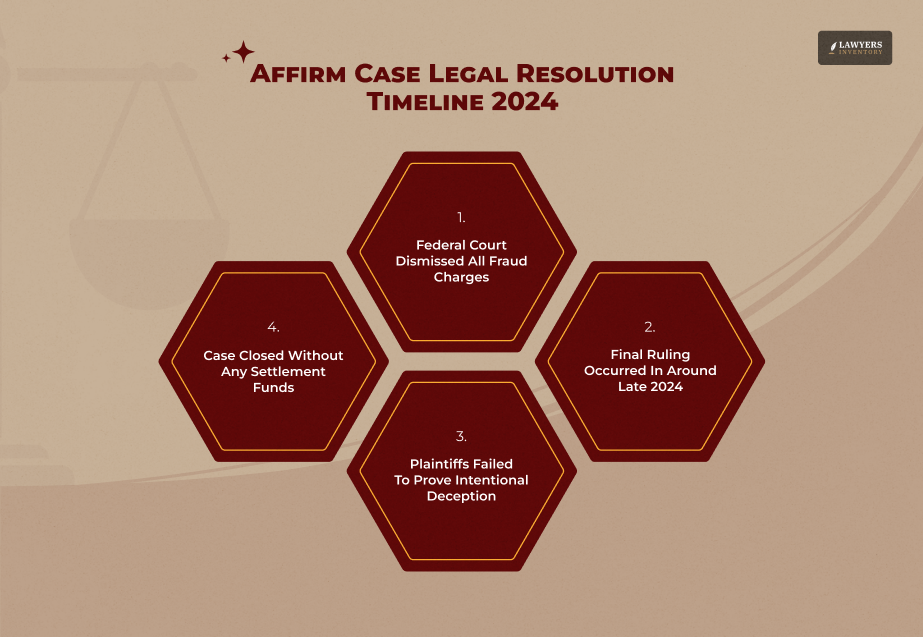
Judge Vince Chhabria has made the final ruling in the case, dismissing Affirm’s motion to dismiss the second amended complaint. The judge has dismissed the case with prejudice, and the case is closed with no liabilities being incurred by Affirm.
March 2026
The legal process has been closed, and no appeals have been filed in the case. Affirm has not incurred any expense in establishing a settlement fund since the case was dismissed by the court.
Essential Facts
We now summarize the outcome of the litigation.
No Payout Fund
The judge dismissed the case “with prejudice,” and as such, Affirm has not been found liable for fraud. Therefore, there is no “payout per person” applicable to the investors concerning the particular incident that happened in 2022.
The “Tweet” Defense
The final outcome was that the tweet, although premature, was not found to be intentional securities fraud under federal law.
Regulatory Status
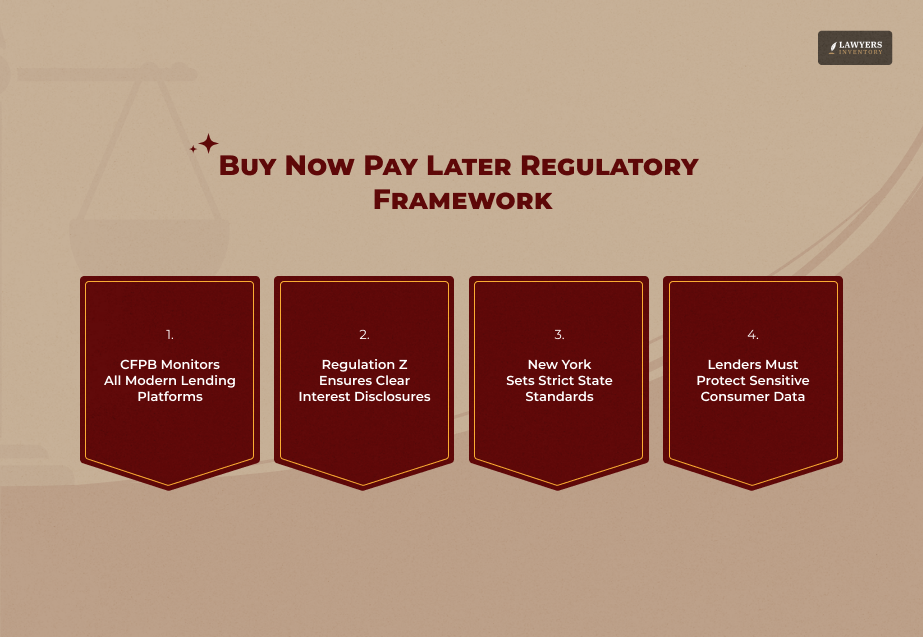
Although the class action suit failed, the company is still under the general watch of the CFPB, which is still monitoring the BNPL transparency and disclosure requirements in 2026.
Allegations And Context Of The Affirm Lawsuit
The Affirm Lawsuit was mainly about the transparency and disclosure of the financial health. The investors felt that the company intentionally gave the market the good news (77% revenue growth) and did not disclose the bad news (actual net loss).
Securities Fraud And Material Misrepresentations
The main foundation of the Affirm class action lawsuit came from the Securities Exchange Act of 1934. The main argument was that the company generated an “artificial inflation” in the stocks.
Although the court threw these cases out, the incident is a landmark example of how social media mistakes can cause fintech companies to spend years and money in federal litigation cases.
Federal And State Laws Governing Affirm
However, Affirm still has to follow a very stringent set of laws related to consumers. In the year 2026, these laws will be more relevant as “Buy Now Pay Later” is set to become the norm.
Truth In Lending Act And Regulation Z
It has been clarified by the CFPB that BNPL service providers like Affirm will have to follow the Truth in Lending Act. This includes the right of the customer to dispute the unauthorized transaction and receive the APR, as well as interest information.
State UDAAP Protections
Each state has its own laws related to UDAAP, or Unfair, Deceptive, or Abusive Acts or Practices. This is used to monitor the “0% interest” offerings of Affirm. In the year 2026, the state will be concerned about junk fees as well as the debt spirals caused by the company through data harvesting.
Read Also: Publix Class Action Lawsuit: Deceptive Pricing, Employee Rights & Claims Guide
Status Of Individual Legal Recourse
However, since there is no global Affirm class action lawsuit payout, consumers and investors want to know how they can protect themselves.
The Role Of Mandatory Arbitration
It is important to understand the terms and conditions provided by Affirm, where the company requires all individual cases to be settled through mandatory arbitration.
This means that in the event that you want to take up a personal case involving your loan and credit reporting, you are required to file through the American Arbitration Association.
Documenting Your Interactions
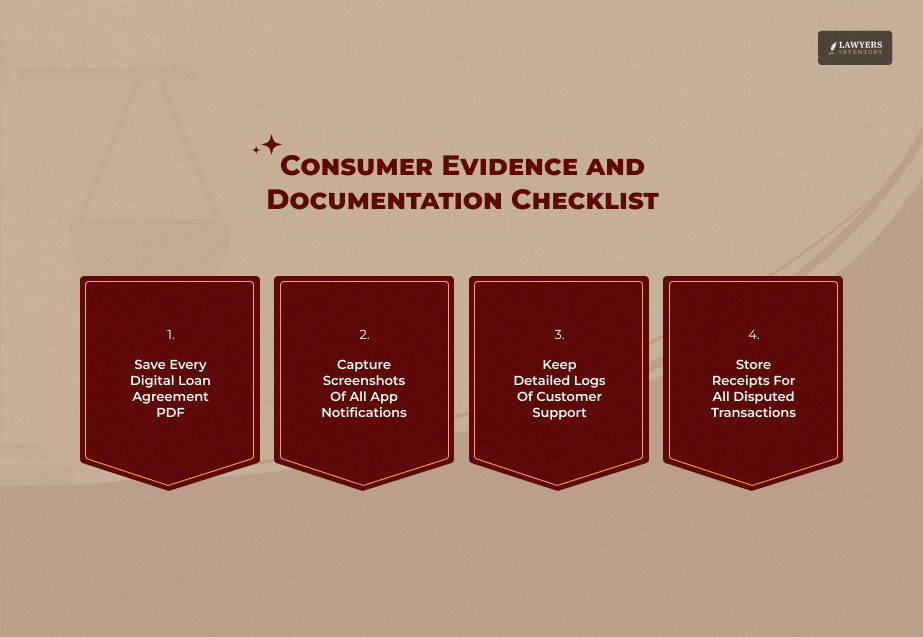
In order to build a successful case in 2026, it is mandatory to have a paper trail. It is therefore recommended that you save:
- PDF copies of every loan agreement.
- Screenshots of all “0% APR” promotional offers.
- Records of all communications with Affirm’s help center.
Read Also: What Is The Spectrum Cable Deceptive Billing Class Action About?
Frequently Asked Questions (FAQs):
To be able to manage your finances well in 2026, it is vital to know the current legal status of the Affirm lawsuit.
As of March 2026, there is no payout for Affirm investors or consumers, as the 2022 securities class action lawsuit was dismissed with prejudice in August 2024. There was no settlement, and no funds were allocated for investors or consumers in this case.
Yes, but you probably won’t be able to participate in a class action lawsuit, as most Affirm users are subject to an arbitration agreement, which requires you to retain a private arbitrator to settle your claim rather than in a public court.
CFPB is still treating BNPL providers as “card issuers” for some consumer protections, which means you have the right to dispute charges and receive accurate billing statements, just like having a credit card.
Leave A Reply







Nunaturals Sweetener Recall FDA Warning – Complete Legal And Safety Guide
Read More
FDA Highest Concern Cake Recall Salmonella – Safety Alert And Guide
Read More
Shein Lawsuit: Copyright, Consumer Claims, And All Major Legal Battles
Read More
MSU Chemical Exposure Lawsuit Explained – Health Risks & Legal Impact
Read More
Girl Scouts Cookies Lawsuit Explained – Safety Claims And Legal Truths
Read More
0 Reply
No comments yet.