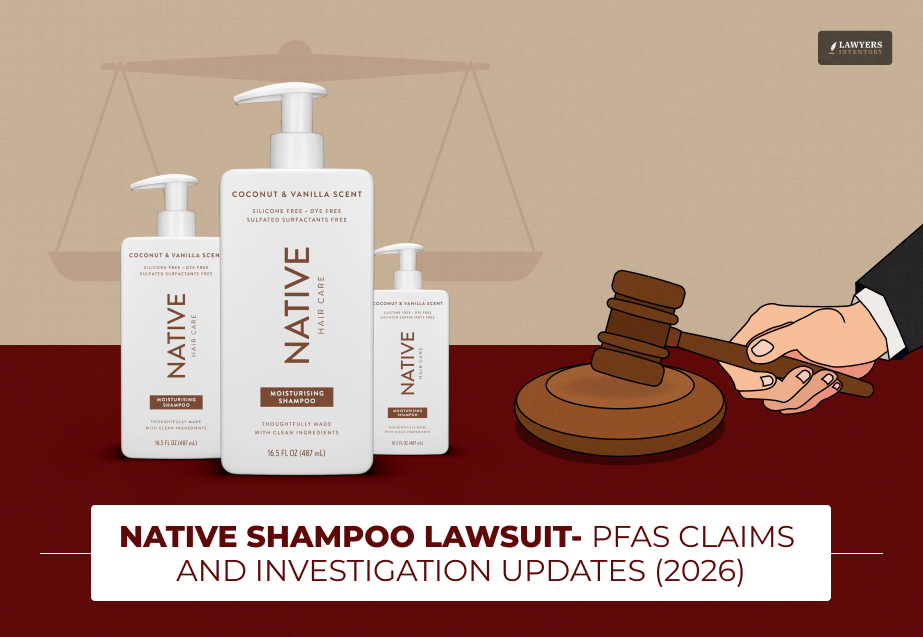
Today’s topic: Native Shampoo Lawsuit!
The native shampoo lawsuit is what you probably know as the Native Shampoo Hair Loss Lawsuit. It has been all over the news as consumers have raised some serious concerns about the safety and marketing of this popular clean brand.
Although this is one product that has been pitched as a natural alternative to traditional hair care products, recent legal investigations have questioned whether it contains forever chemicals or causes unexpected hair loss.
Those shoppers who turned to this product as an alternative for its clean ingredients list are now seeking answers to questions about the truth of such allegations and the current state of litigation.
In this article, we will elaborate on the following:
- The origins of the native shampoo lawsuit investigations and social media complaints.
- Allegations regarding PFAS (forever chemicals) in “naturally derived” formulas.
- The scientific context behind the native shampoo hair loss lawsuit rumors.
- Current legal status and court updates for native shampoo and conditioner lawsuit claims in 2026.
- Guidance for consumers on how to identify potential product risks.
Native Shampoo Lawsuit – What is Native Shampoo?
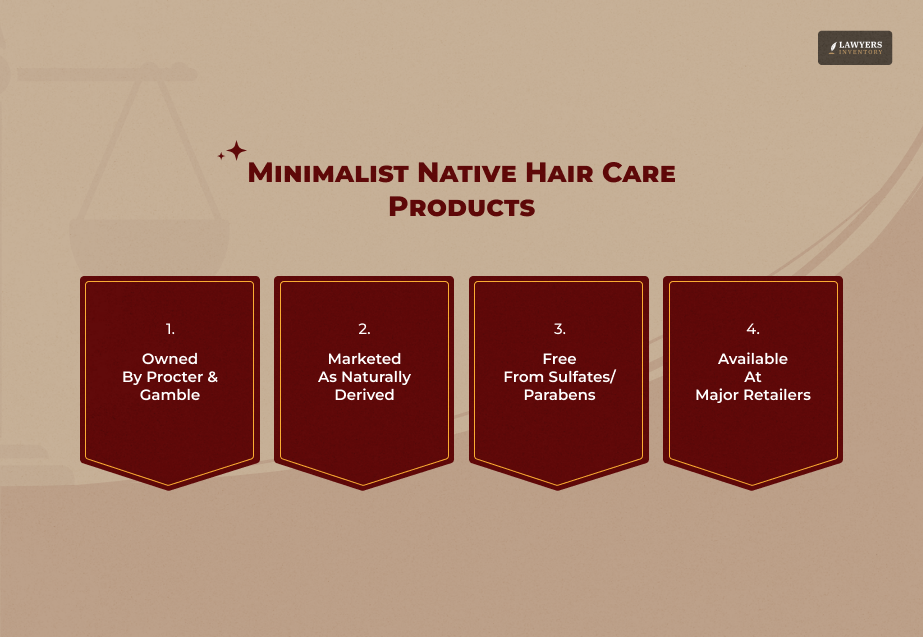
Native is a personal care brand by global giant Procter & Gamble, which grounds its marketing on the pillars of simplicity and transparency. The brand drew in huge popularity with the manufacture of sulfate-free and paraben-free products specifically designed for health-conscious consumers.
Brand Positioning And Ingredients
Native markets its products as a “clean” alternative for people looking for a way to avoid harsh synthetic ingredients. It keeps its ingredients simple with coconut oil and shea butter.
The Transition To P&G Ownership
Initially a small start-up company, Native was acquired by Procter & Gamble in 2017 for $100 million. This marked the end of the brand’s independence and the beginning of life under the supervision of a multinational company, with their production activities closely monitored.
Suing Over “Native Shampoo-Labeled Products In Native Shampoo Lawsuit
The native shampoo lawsuit is mainly associated with a number of investigations and lawsuits filed against the shampoo brand on issues such as marketing and safety. Although a number of investigations have been conducted by law firms, the actual lawsuit filed on hair loss has been complex.
How The Investigation Began
The trouble began when some consumer rights organizations and law firms began investigating allegations that Native’s simple ingredients were not truthful. They searched for information on whether the products contained hidden synthetic components or additives.
Legal Claims Under Review
Lawyers particularly made inquiries about whether the brand had violated consumer protection laws by using the word naturally derived, which might contain forever chemicals. This led to a great deal of interest in the lawsuit involving a native shampoo and conditioner.
Current Situation As Of 2026
Currently, as of early 2026, many of the early investigations for a native shampoo claim have stalled at pre-filing or closed without a significant settlement. For example, in a different complaint, a lawsuit for Native deodorant’s 72-hour claim was dismissed in 2025.
Understanding The Native Shampoo Hair Loss Lawsuit
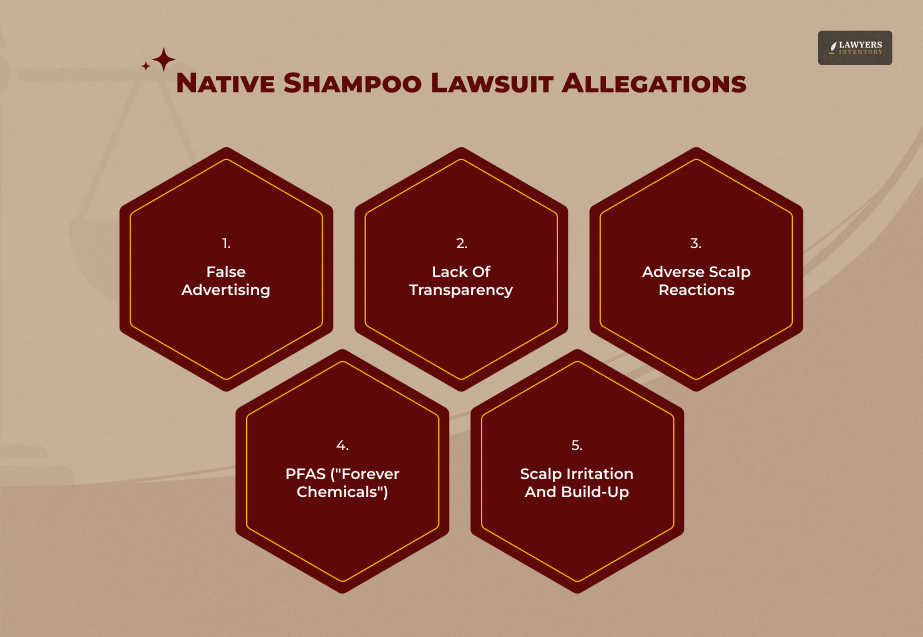
Rumors of the Native Shampoo Lawsuit frequently go viral on platforms like TikTok and Reddit, where users share photos of hair thinning. While these anecdotes are numerous, the legal and scientific proof linking the product directly to alopecia is still under debate.
Scalp Irritation & Shedding Reported
Thousands of users have reported experiencing violent itching on the scalp, and that ‘chunks’ of hair were falling out after using Native shampoo. Generally, such complaints can also be the primary source for a native shampoo hair loss lawsuit investigation.
Medical Viewpoints On Product Reactions
According to dermatologists, the Native soap of the Native Shampoo Lawsuit is sulfate-free. However, its components, such as cocamidopropyl betaine, are surfactants that usually trigger allergic contact dermatitis. This results in inflammation of the skin, which results in temporary hair shedding, often interpreted by consumers as hair loss.
What Are PFAS? Why Are They Important?
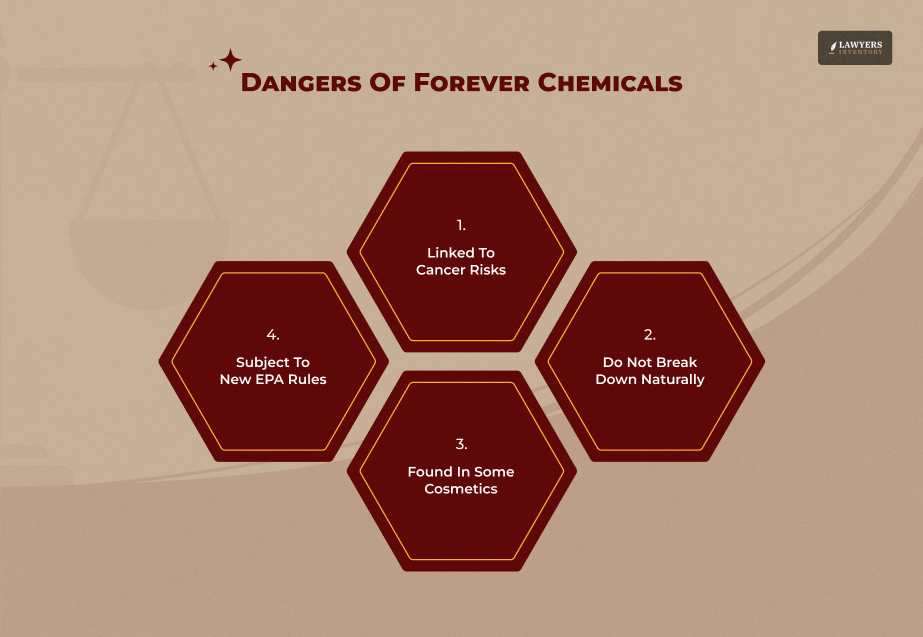
A lot of the buzz surrounding the native shampoo lawsuit concerns PFAS, or per-and polyfluoroalkyl substances.
These compounds have also been nicknamed forever chemicals due to their tendency not to biodegrade or break down in the environment or the human body.
Allegation Of Forever Chemicals In Native
Law firms investigated whether Native hair products contained PFAS despite their clean marketing. If proven, this would provide the bedrock of proof for a native shampoo lawsuit based on both deceptive trade practices and health risks.
Health Risks Associated With PFAS Exposure
The EPA has warned that long-term exposure to PFAS can cause developmental problems, liver damage, and some kinds of cancer, making the potential presence of these chemicals in a daily-use shampoo a major legal liability.
Read Also: MaryRuth Organics Lawsuit: Legal Analysis, Recalls, And Consumer Impact
Future Of Lawsuit Over Native Shampoo And Clean Beauty
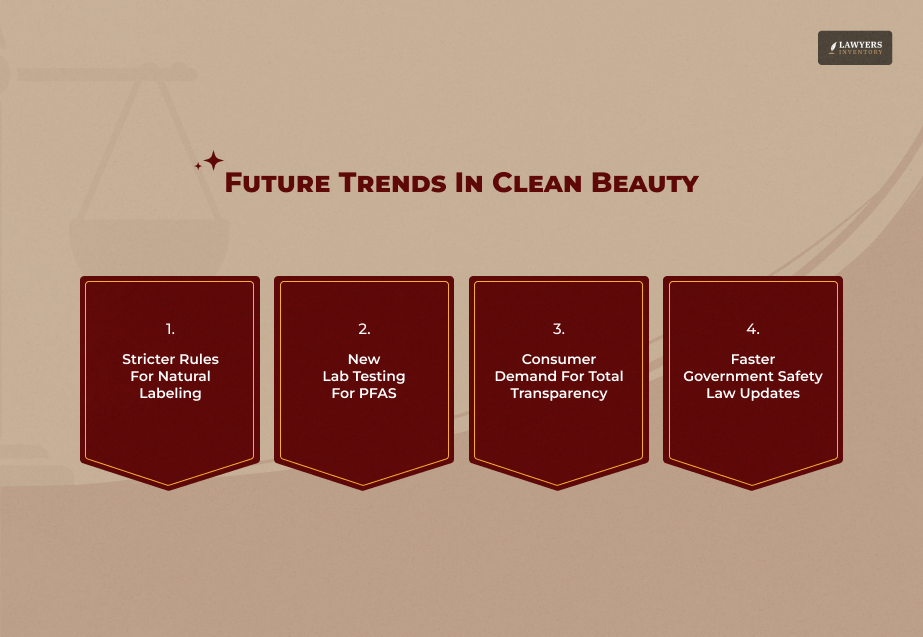
The native shampoo case has caused a huge commotion regarding the amount of control that large corporations have with regard to labels that are labeled as clean.
As we approach the year 2026, the world of law is observing how companies such as Procter & Gamble are adjusting their advertising to keep themselves out of lawsuits.
New Regulatory Scrutiny In 2026
Government organizations are now scrutinizing the claims that caused the native shampoo lawsuit in the first place.
An example is the update in guidelines regarding the use of naturally derived ingredients on product labels, as led by the FDA.
This aims to ensure companies are not misrepresenting the use of synthetic materials in their so-called natural branding. As such, law firms remain receptive to new evidence in contamination cases.
International Effect On Natural Brands
Other natural brands are also altering their formula so that they will not face a similar suit over native shampoo, for instance.
They are employing outside labs in their effort to confirm that their brands meet all the required standards and do not contain any quantities of forever chemicals.
All these moves are making the entire cosmetic sector safer for regular citizens of the United States, thanks to transition words such as ‘consequently’ and ‘moreover.’
How To Protect Yourself From Product Risks
Until a final decision is reached in the native shampoo lawsuit, you have the task of ensuring that you practice good hair care in a manner that is safe for you.
Most people will agree that it is crucial to read the back of the package rather than the attractive design on the front of the box.
Evaluating Marketing vs. Reality
Natural does not mean risk-free, and the Native Shampoo lawsuit is a good example of that. To know that a product is safe, you want to find specific marks such as EWG Verified.
These companies conduct in-depth research that the average consumer is not equipped to undertake. Choosing the right brands makes it much harder to end up in a lawsuit like the Native Shampoo lawsuit.
Documenting Your Personal Experience
If you do choose to keep using the brand during the native shampoo lawsuit period, you are encouraged to keep a very simple record of the health of your scalp.
You are advised to take a quick picture a month as a means of tracking the development in the density of the hair on the scalp.
In the event of sudden shedding of the hair, you are advised to refrain from using the item and consult a doctor immediately.
Such a record will come in very handy in the event that the native shampoo lawsuit develops to the point where monetary compensatory awards are sought.
Read Also: Johnson & Johnson’s OGX Shampoo Class Action Lawsuit is a Classic Case of Product Litigation
Frequently Asked Questions (FAQs):
The next section examines some of the most prevalent questions concerning the native shampoo lawsuit.
Currently, no active class action lawsuit for hair loss is underway in which one can participate. However, many attorneys have investigated and implemented the intake for a native shampoo hair loss lawsuit, which has not gone to trial yet.
Some third-party lab tests have sought to find the presence of PFAS in different “natural” brands, though to date, no conclusive public report from the government has stated that Native brand shampoos do contain illegal amounts of these toxins.
Nonetheless, the native shampoo and conditioner lawsuits began as an investigation to find if these compounds exist.
If you believe you are experiencing a reaction, immediately discontinue use of the product and seek the advice of a dermatologist. You should also record your symptoms and retain the bottle and receipt, should a native shampoo lawsuit open for claims in the future.
Leave A Reply






Nunaturals Sweetener Recall FDA Warning – Complete Legal And Safety Guide
Read More
FDA Highest Concern Cake Recall Salmonella – Safety Alert And Guide
Read More
Shein Lawsuit: Copyright, Consumer Claims, And All Major Legal Battles
Read More
MSU Chemical Exposure Lawsuit Explained – Health Risks & Legal Impact
Read More
Girl Scouts Cookies Lawsuit Explained – Safety Claims And Legal Truths
Read More
0 Reply
No comments yet.