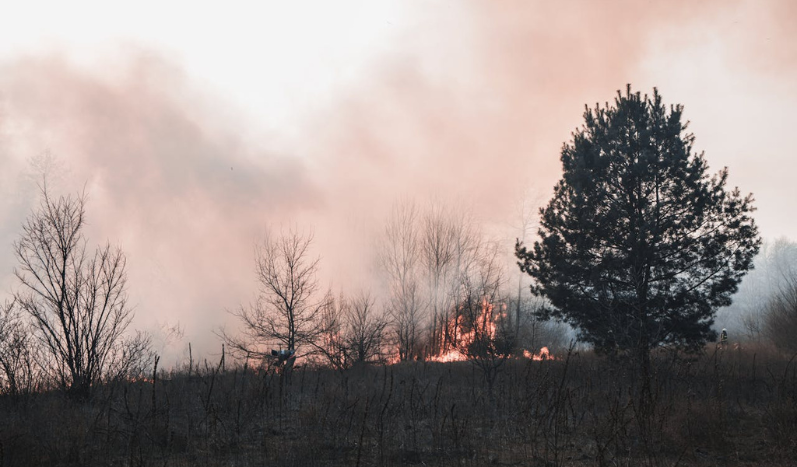
Today’s topic: What to do after a wildfire?
Wildfires don’t just burn houses. They lead to financial losses, force families to move, and bring about new legal responsibilities that many victims didn’t even expect.
If you haven’t lost your entire home but suffered some damage, the legal actions you decide to do within the first few days will have a significant impact on the amount of your compensation.
Work fast, keep a record of every detail, and use this helper to defend your rights from the very first day.
If you want to know what to do after a wildfire, keep reading!
What To Do After A Wildfire? Essential Legal Steps To Protect Your Rights
Here are some of the things that you need to do after a wildfire:
Step 1: Prioritize Safety, Then Document Every Detail
Before you do anything else, confirm that local authorities have declared the area safe to re-enter.
Returning too early exposes you to toxic ash, unstable structures, and lingering fire hazards. These risks don’t just threaten your health – they create additional legal complications if you’re injured on an unsecured property.
Once you safely access your property, start documenting damage immediately. Take time-stamped photos and videos of everything – your home’s exterior and interior, destroyed belongings, vehicles, outbuildings, and surrounding land.
Don’t rush this step. This visual evidence becomes the backbone of every insurance claim, legal filing, and dispute you’ll face down the road.
Beyond photos, gather your critical documents right away. You’ll need:
- Your homeowner’s or renter’s insurance policy
- Property deeds or lease agreements
- Vehicle titles
- Medical records for any fire-related injuries
- Prior tax returns
If the fire destroyed these documents, contact the relevant agencies immediately. Most government offices have expedited replacement processes specifically for disaster victims.
Step 2: Contact Your Insurance Company Without Delay
Most insurance policies require you to report wildfire damage within a strict timeframe.
Miss that window, and the insurer may have grounds to reduce – or outright deny – your claim. Contact your insurance company within 24 to 48 hours of the event, as soon as it’s safe to do so.
When you file your initial report, be specific. Provide:
- The date and time of the fire
- Your property address
- A clear summary of the damage
- Emergency measures you’ve already taken, such as boarding up windows or covering exposed areas
Keep a detailed log of every conversation with your insurer. Write down the representative’s name, date, time, and exactly what was discussed. This log protects you if disputes arise later.
After you file, your insurer assigns a claims adjuster to evaluate your property. Here’s what most victims don’t realize – that the adjuster works for the insurance company, not for you.
When negotiating or discussing your home insurance claim with an insurance adjuster, if you feel that your loss was undervalued, you have the right to hire a public adjuster or an attorney specializing in insurance claims.
This will help you get compensated fairly for the damages, as they will be working for your benefit, not for the insurance company’s.
Besides, see if your policy has Additional Living Expenses (ALE) coverage. If your home is destroyed, this coverage will pay for your temporary housing, meals, and other reasonable living expenses during the repairs.
Always keep and submit the receipts to the insurer without delay, and find out what the limits are for your policy’s ALE before spending.
Step 3: Know Your Legal Rights As A Homeowner Or Renter
Knowing your rights puts you in control of the recovery process. Without that knowledge, insurers and landlords can take advantage of you during your most vulnerable period.
As a homeowner, you have the right to:
- Dispute denied or underpaid claims
- Request itemized explanations for any deductions
- File a formal complaint with your state’s Department of Insurance if your insurer acts in bad faith
After a wildfire, renters are also highly protected by law. Typically, a landlord cannot evict a tenant merely on the basis of the property being damaged in most states.
Besides that, a lot of states also ban landlords from raising rents for tenants who have been forced to move out during the time the disaster has been declared.
If your landlord is trying to make you leave without following the right legal steps, you should get in touch with a lawyer who specializes in tenants’ rights immediately.
In case a disaster declaration was made for your location by a government agency, you might be eligible for FEMA assistance, too. Besides providing temporary housing help, the agency also extends financial help for home repairs and other needs that your insurance may not cover.
Apply as soon as the disaster declaration is issued at DisasterAssistance.gov. FEMA deadlines are strict – missing them eliminates your eligibility entirely, with very few exceptions.
Step 4: Investigate Whether A Third Party Caused The Fire
Not every wildfire is an act of nature. Many recent fires have been traced directly to negligence by utility companies, government agencies, or private landowners.
If the investigation reveals that the fire was a result of a third party’s actions or their contribution, then you might be entitled to initiate a personal injury or property damage suit.
Sometimes, it is possible to file a class action case together with hundreds of other victims who have been affected.
California is a case in point, where the government’s major wildfires have resulted in unprecedented multi-billion-dollar settlements against the utility companies, whose equipments was found to be the cause of the fires.
These lawsuits have altered the destiny of thousands of victims who, without such intervention, would have been at the mercy of their insurers only.
To pursue this type of claim, you must act before your state’s statute of limitations expires. In most states, that window ranges from one to three years from the date of the fire – or the date you discovered its cause.
Waiting too long means losing that right permanently.
Platforms like Fire Help Center can also provide valuable resources and guidance for victims seeking legal support and assistance during this process.
An experienced wildfire attorney can investigate the cause, identify liable parties, gather expert evidence, and negotiate settlements far beyond what an insurer initially offers. Many work on contingency – meaning you pay nothing unless they win your case.
Step 5: Keep Meticulous Records Of All Correspondence
Throughout the entire recovery process, maintain one centralized, organized file for everything.
That means every document, receipt, communication, and legal notice – emails from your insurer, FEMA letters, contractor estimates, medical bills, and any legal filings. All of it goes in one place.
Organized records serve two essential purposes.
First, they help you respond quickly to insurer requests, reducing delays in your claim. Second, they provide concrete evidence if you ever need to dispute a denial or pursue litigation.
Courts and insurance arbitrators rely heavily on documentary evidence. Gaps in your records weaken your position significantly – sometimes fatally.
Store copies both digitally and physically. Use cloud storage for digital backups, and keep physical copies in a fireproof container or a bank safe-deposit box.
Step 6: Rebuild Carefully – And Watch For Contractor Fraud
Once you’re ready to rebuild, slow down before signing anything.
Disaster zones attract unlicensed contractors who collect large upfront deposits, then disappear or deliver shoddy work. This type of fraud is well-documented after every major wildfire, and it leaves victims in a worse position than before.
To protect yourself:
- Always verify a contractor’s license through your state’s licensing board.
- Get at least three written bids before committing.
- Never pay more than 10% upfront before work begins.
- Get every agreement in writing before any work starts.
Besides that, make sure that all the restoration work can definitely comply with the most up-to-date local building codes.
Sometimes, authorities raise the standards after a disaster, so even if your house was completely up to code before the fire, it might not meet the new requirements anymore.
Keep in touch with your insurance adjuster and get him/her to confirm that the repairs you want to do are covered under your policy before you sign any agreements with a contractor.
Finally, take the time to revisit your insurance coverage, examine your estate plan, and contact your lawyer if you have any legally related matters due to the fire.
Follow The Steps To Protect Your Rights
We hope you have a better understanding of what to do after a wildfire. Wildfire recovery is a legal process as much as it is a physical one.
The victims who recover the most fully are those who document early, act fast, know their rights, and get professional legal help when the stakes are high.
Don’t navigate this alone. The right attorney or public adjuster can mean the difference between a fair settlement and a fraction of what you actually deserve.
Leave A Reply








What Is A Business Entity? A Simple Guide For New Business Owners
Read More
When Should You Take A Criminal Charge Seriously?
Read More
Who Is Responsible For Pest Problems In Dallas Rental Properties
Read More
Considering A Sexual Abuse Claim? Know What Legal Support Offers
Read More
0 Reply
No comments yet.