Today’s topic: Prizechecker.com
Prizechecker.com has recently become a notable issue for consumer protection bodies in 2026 because of numerous reports of misleading advertising and unauthorized financial transactions.
As of February 24, 2026, the Federal Trade Commission (FTC) has been flooded with complaints about a particular “prizechecker scam” that preys on consumers via social media ads and direct mail promotion of high-end prizes such as iPhones or luxury cars.
At present, a large-scale inquiry is being conducted in collaboration with the California Attorney General’s office after a class-action suit was filed towards the end of 2025, claiming that the website employs “dark patterns” to ensnare users into recurring payments of $89 per month (ClassAction.org).
Lawsuits filed during the first quarter of 2026 illustrate that such practices frequently resemble legitimate prize-checking websites to collect credit card information for “shipping and handling” charges.
In this article, we will elaborate on the following:
- The mechanics of the deceptive subscription model used by Prizechecker. com.
- The current legal status of lawsuits and federal investigations.
- How to identify red flags associated with the “winning” notifications.
- Practical legal steps for victims to recover unauthorized charges.
What Is Prizechecker.com And How Does It Operate?
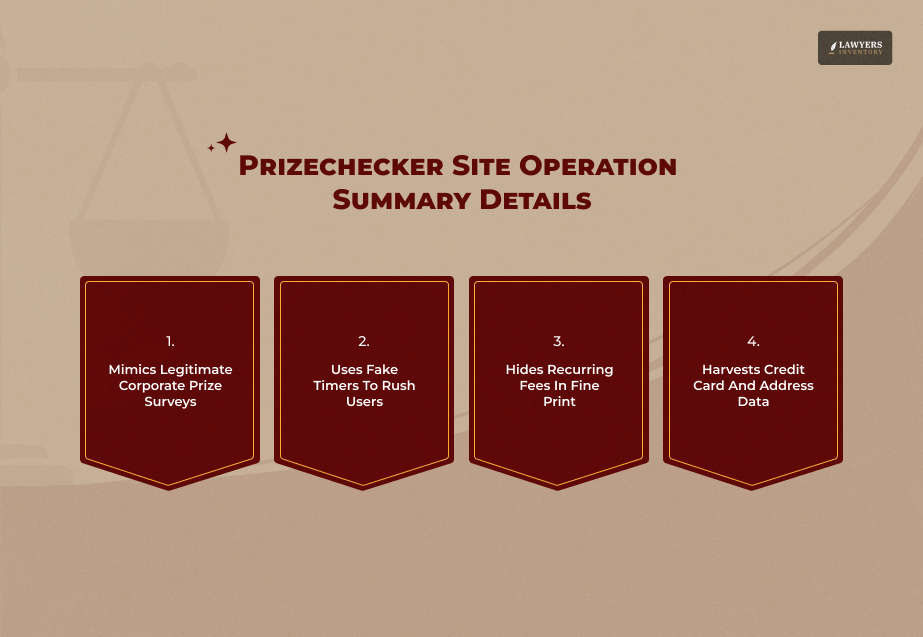
Prizechecker. com is a lead generator that relies on the lure of winning a prize to gather personal user information.
Although the website has a professional look, lawyers state that the main intention is not to award prizes but to sign users up for billing loops.
The Deceptive Prize Notification Loop
The user usually accesses the website by clicking on an ad that states they won a “lucky visitor” prize.
The website leads the user through a brief, irrelevant survey meant to create a “commitment” before requiring payment information to pay for a small shipping fee.
Hidden Subscription Traps
After the user provides credit card information for a $1 or $9 shipping fee, they usually inadvertently agree to “terms and conditions” that are printed in the fine print.
These terms allow the company to bill the credit card for membership in premium services or “credit monitoring” that the user did not intend to subscribe to.
The Legal Reality Of The Prizechecker Scam
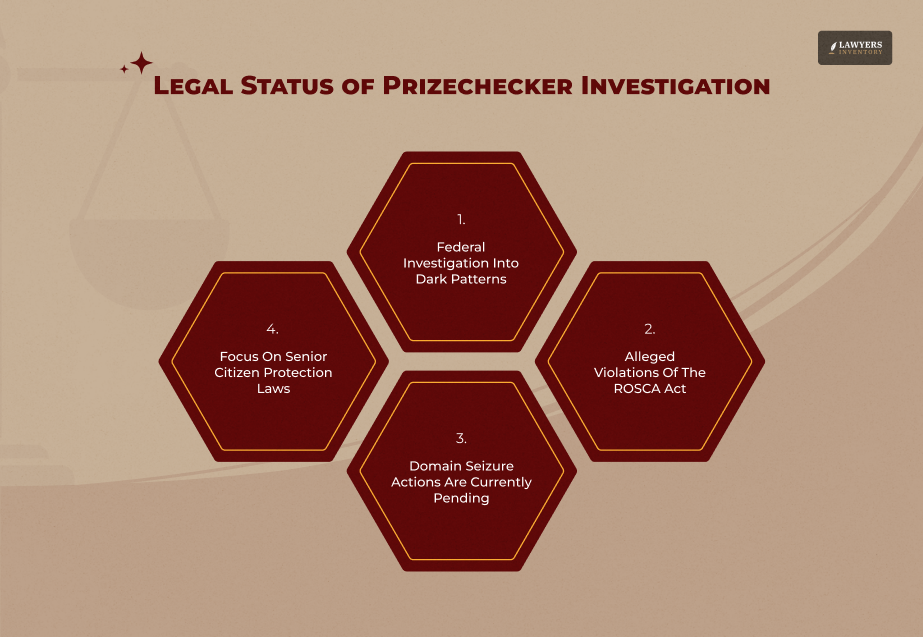
The legal circles refer to the activities of such websites as “unfair and deceptive trade practices.” In 2026, the regulatory efforts are now directed at the payment facilitators that enable such websites to continue charging their customers even after the initial “prize” has not materialized.
Class Action Lawsuit Updates
A case filed in the Central District of California accused the owners of PrizeChecker. com of violating the Restore Online Shoppers’ Confidence Act (ROSCA).
This act mandates companies to make disclosures before charging customers for online transactions and provides a “simple mechanism” to halt recurring payments. (Case No. 2:25-cv-09842)
Prizechecker. Com – FTC And Consumer Protection Warnings
The FTC has also issued warnings about “prizechecker com” and other such groups, stating that no sweepstakes will ever ask for payment in order to receive a prize (Source: Federal Trade Commission).
The government is currently attempting to seize the domains of these groups in order to protect senior citizens from further financial loss.
Identifying Red Flags And Avoiding The Prizechecker Scam
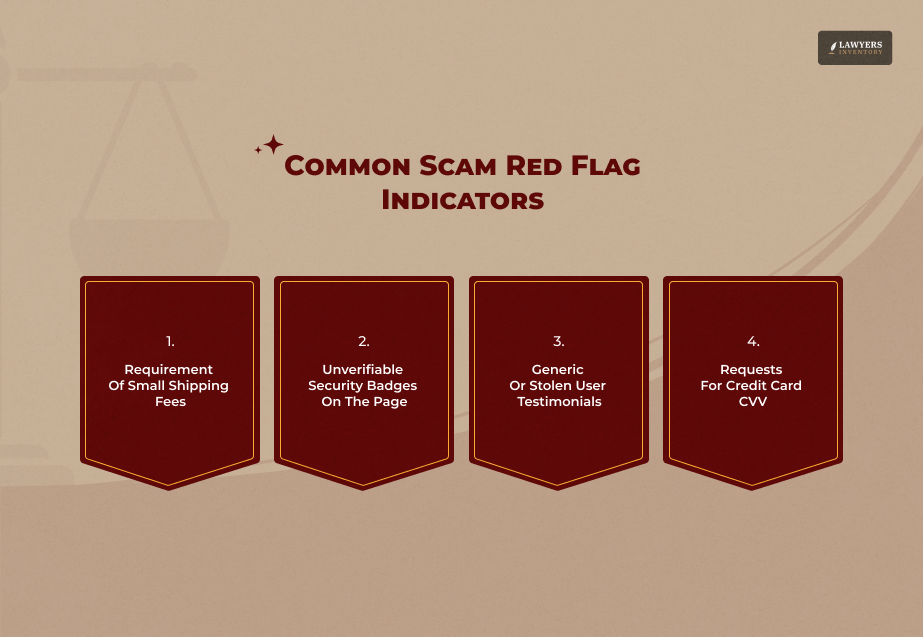
To protect yourself from the prize checker scam, you must be alert for “too good to be true” offers.
Scammers will use high-pressure sales tactics to make sure you do not have time to check the truth of their claims.
The Problem With Shipping Fees
One of the biggest warning signs of a scam is when you are asked to pay money, even a small fee, to receive a “free” prize. It is illegal under U.S. law to require a purchase or a fee to enter a sweepstakes or claim a prize.
If the site asks for your CVV number in order to receive a “free” item, this is a strong indication of fraud.
Fake Testimonials And Security Badges
Many scam sites will steal the logos of the Better Business Bureau (BBB) or security firms such as Norton and McAfee in order to create a false sense of security.
When you check the security badges, you will find that they are all static images and do not lead to a verification page.
How To Recover Funds And Secure Your Identity
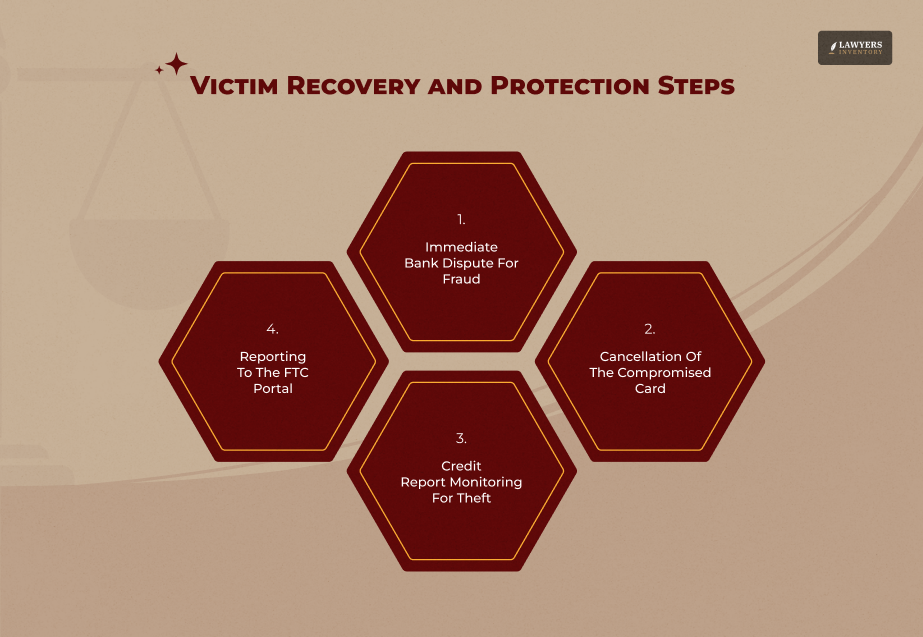
If you have already interacted with prizechecker.com, you must take immediate action to limit the harm.
The legal time frame to contest “unauthorized” recurring payments is usually 60 to 90 days, depending on your bank’s policy.
Contesting Payments With Your Bank
You must contact your bank immediately to contest “fraudulent” or “deceptive” billing. You must inform your bank that the merchant engaged in “dark patterns” to conceal a subscription.
In most 2026 instances, banks have blacklisted the merchant IDs used by this website, making refunds easier for victims.
Read Also: Publix Class Action Lawsuit: Deceptive Pricing, Employee Rights & Claims Guide
Identity Theft Protection Steps
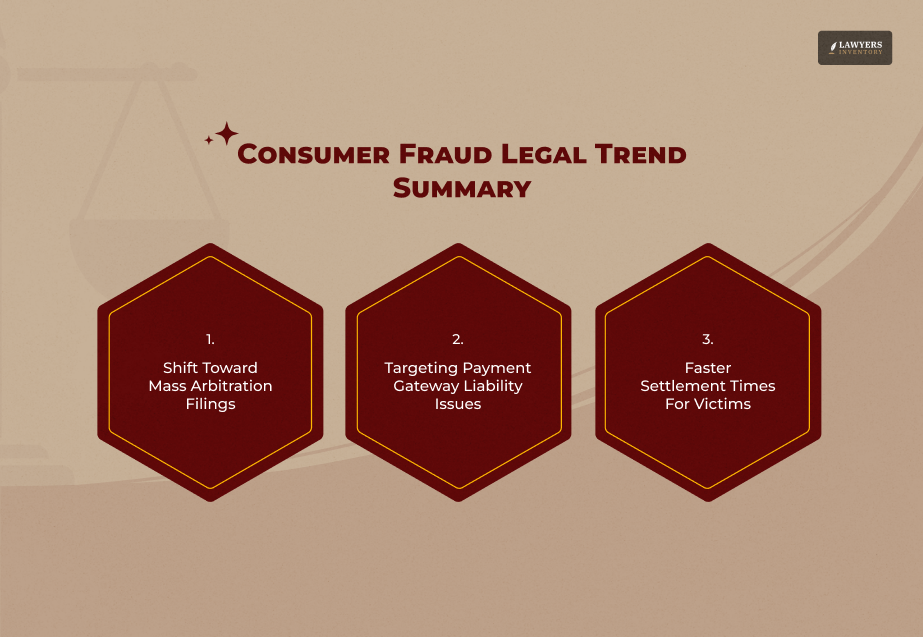
Since you probably gave them your name, address, and email, you should check your credit report for any new accounts.
Go to IdentityTheft.gov to make a plan of action if you think your information is being sold on the dark web to other “prizechecker com” copycats.
Legal Fee Trends In Consumer Fraud (2026 Outlook)
As we continue into 2026, the expense of fighting these slippery offshore scammers is still very high.
As a result, the legal community is experiencing a new trend in “mass arbitration” where thousands of victims bring individual lawsuits against the payment gateways that enable the Prizechecker. com billing.
The Emergence Of Mass Arbitration
Law firms are beginning to organize victims of the prizechecker scam to collectively pressure the financial underpinnings of the scam.
This approach has proven to be much faster than class-action lawsuits, which often take years to settle in the federal court system.
Read Also: What Is The Spectrum Cable Deceptive Billing Class Action About?
Frequently Asked Questions (FAQs):
The rise of PrizeChecker. com has left many users wondering how to differentiate between a legitimate giveaway and a sophisticated trap.
These questions address the most pressing concerns for U.S. citizens facing the prizechecker scam in today’s digital climate.
Generally, a legitimate sweepstakes will not ask for a credit card number during the entry or “prize checking” phase.
If you win a high-value prize, the company might ask for your Social Security number for tax reporting (IRS Form 1099), but they will never ask for a CVV or a “shipping fee” upfront.
Any request for payment on prizechecker. com is a definitive sign of a predatory billing scheme.
Many users report receiving mailers that look like official government notices or car dealership advertisements containing a scratch-off “winning” code and a PIN.
If the mailer directs you to enter this PIN on prizechecker. com, do not visit the site. These physical mailers are often part of a coordinated effort to drive traffic to the deceptive subscription portal.
Dispose of the mailer or report it to the U.S. Postal Inspection Service.
While you can technically sue, these entities often hide behind shell companies in jurisdictions with weak consumer laws. Your most effective legal path is usually joining an existing class-action lawsuit or filing a complaint through your state’s Attorney General.
This helps build a collective case that can eventually lead to the freezing of the company’s U.S.-based assets and potential payouts for victims.
Leave A Reply






Hung Jury vs. Mistrial: What Is The Difference And Why It Matters
Read More
NarodniyDimUkraina: An Overview Of The Kyiv-Based Brand Preserving Ukrainian Craftsmanship
Read More
What Is A Mistrial? Legal Definition, Causes, And What Happens Next
Read More
What Is A Sequestered Jury? Legal Definition, Process, And Everything You Need To Know
Read More
What Is A Hung Jury? Legal Definition, Causes, And What Happens Next
Read More
0 Reply
No comments yet.