Summarize using AI





Prompt copied. Paste it into Gemini.
Today’s topic: Aseltine v BANA Class Settlement!
The Aseltine v BANA Class Settlement is a significant milestone in the history of consumer transparency in the American banking industry.
This $21 million settlement is in response to claims that Bank of America (BANA) imposed unknown fees for incoming wire transfers.
For several years, accountholders claimed that these fees were buried within complex contracts, causing unexpected expenses for millions of account holders.
As of February 2026, the distribution process of the Aseltine v BANA Class Settlement is currently a top priority for class members who are eligible.
After the final approval hearing in late 2024, the court paved the way for compensation to be sent to individuals who paid certain fees between 2019 and 2023.
At the moment, the claims administrator is completing the list of former and current account holders to make sure that credits and checks are distributed to the right people. (Source: BANA Wire Transfer Fees Settlement, 2025)
This settlement is in line with the timeline of aggressive litigation that started when lead plaintiff Aaron Aseltine challenged the bank’s fee-splitting practices in federal court.
In this article, we will elaborate on the following:
- The main legal claims about the undisclosed incoming wire transfer fees.
- The specific eligibility requirements for US citizens to claim a share of the $21 million.
- The distribution of the settlement amount to both current and former customers.
- The overall significance of this case to federal banking transparency and fee disclosure.
What Is the Aseltine v. BANA Class Settlement?
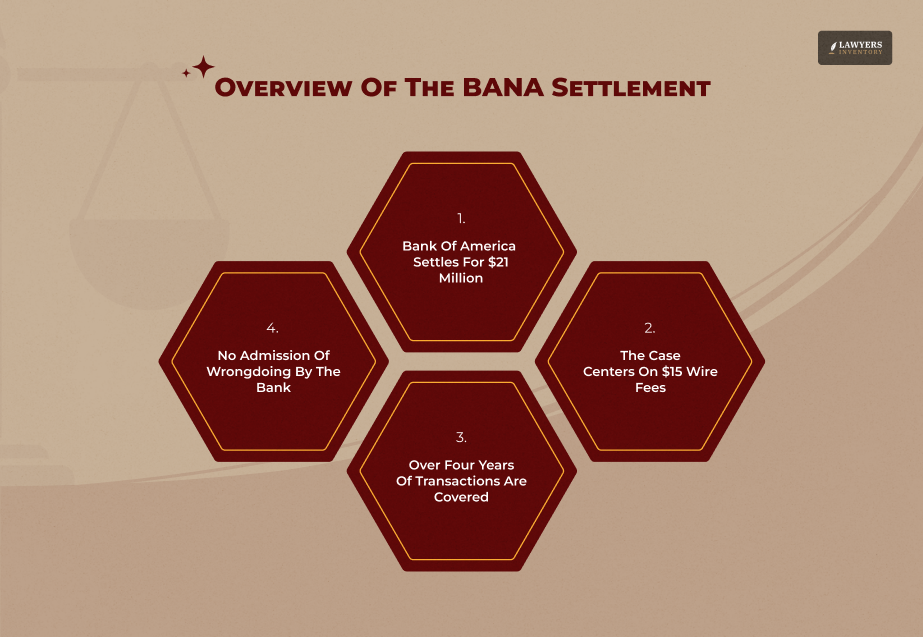
The Aseltine v BANA Class Settlement is a legal agreement that resolved a class action lawsuit against Bank of America for allegedly charging unfair fees.
The plaintiffs filed the lawsuit because Bank of America allegedly charged a $15 fee for incoming wire transfers without giving customers adequate notice.
Understanding The Basis Of The Claim
When people ask what the Aseltine v BANA Class Settlement is, they are essentially seeking the cause of the lawsuit.
The lawsuit claimed that Bank of America was violating its own account terms by charging fees for incoming payments that the users were supposed to receive for free.
According to ClassAction.org, the plaintiffs cited a lack of clarity in the disclosure of the fees in the “Fine Print”.
Legal Definition Of The Class
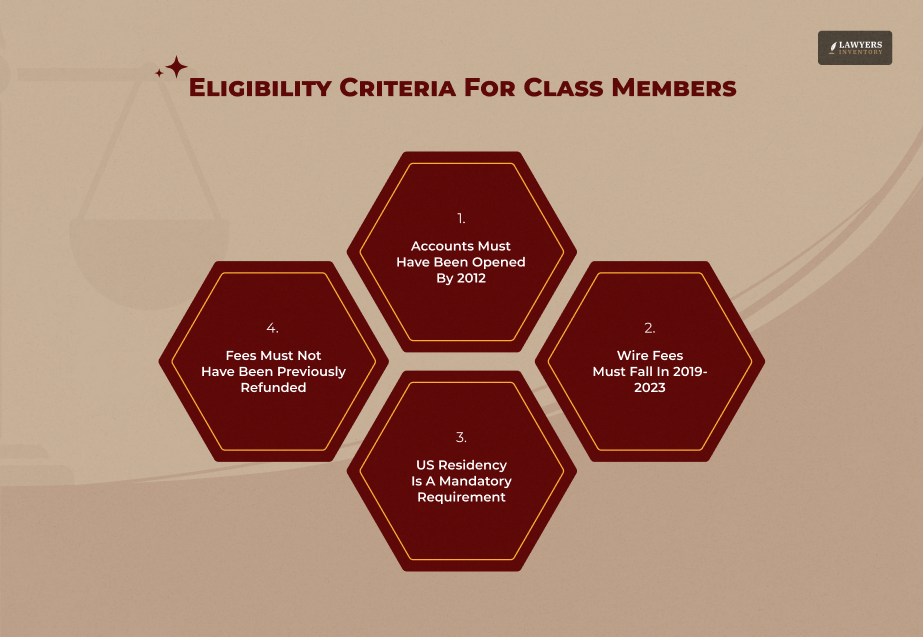
The Aseltine v BANA Class Settlement is applicable to a certain group of people who had checking or savings accounts. You are eligible for the settlement if you were charged an incoming wire fee that was not refunded.
Eligibility is applicable to accounts opened before August 31, 2012, and fees paid after March 2019.
Case Details And Litigation Framework
The Aseltine v. BANA Class Settlement is a case filled with complex facts that extend over a period of years. Below is a list of the technical facts of the case that resulted in the multi-million dollar recovery for consumers.
Formal Case Details And Participants
- Case Number: 3:23-cv-00127 (W.D.N.C.).
- Lead Plaintiff: Aaron Aseltine.
- Defendant: Bank of America, N.A. (BANA).
- Settlement Amount: $21,000,000.00.
The Parties And Legal Counsel
In the Aseltine vs BANA class settlement, the plaintiffs were represented by the law firms of Tycko & Zavareei LLP and Kopelowitz Ostrow P.A.
These law firms believed that the actions of the bank were in violation of several state consumer protection statutes.
The defendant in the case was Bank of America, which asserted that it had adequately disclosed its fees during the case.
Similar Cases In Banking History
The Aseltine v BANA Class Settlement is not the first case in which a large bank has been accused of “hidden fees.”
In the past, banks such as Wells Fargo and JPMorgan Chase have settled cases involving overdraft sequencing and “junk fees.” In most cases, the bank pays into a fund but does not admit liability.
Federal Legislation And Banking Transparency
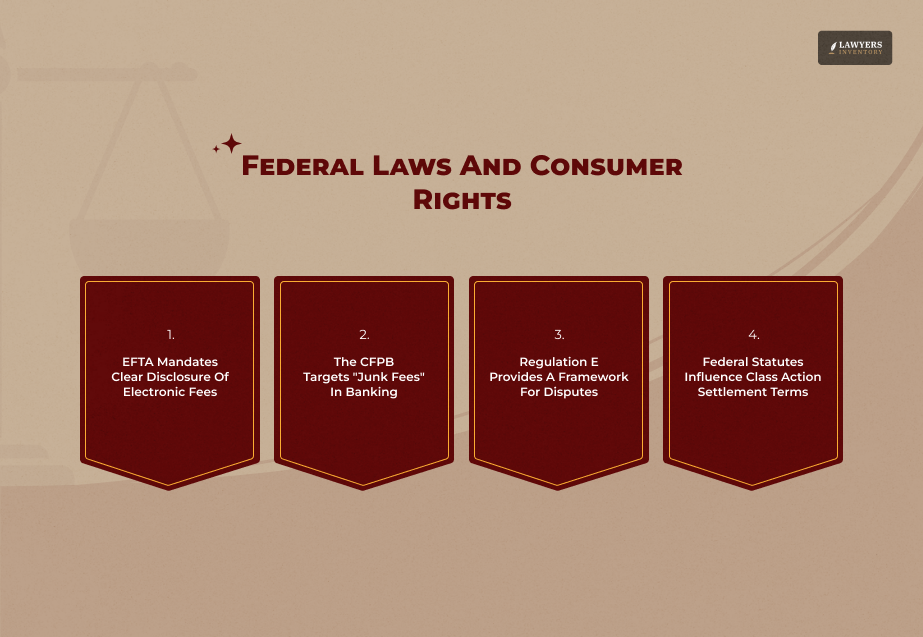
The Aseltine v BANA Class Settlement is part of a broader effort by the US government to rid consumers of so-called “junk fees.”
Federal regulators are increasingly turning to the Electronic Fund Transfer Act (EFTA) to shield consumers from unexpected fees.
The Role Of The CFPB
The Consumer Financial Protection Bureau (CFPB) has played a crucial role in the context that made the Aseltine v BANA Class Settlement possible.
They have issued guidance that says surprise fees on financial products are often illegal under the Consumer Financial Protection Act.
Regulators say that “hidden” fees make it difficult for consumers to compare bank services.
Effects On Future Bank Disclosures
Due to the Aseltine v BANA Class Settlement, banks are now updating their fee structures to be more visible. This means that consumers will know exactly what the wire transfer fee is before the money is received.
Attorneys feel that this case has established a precedent for future advertising of “incoming” service fees.
Who Is Eligible for Settlement Payments?
Eligibility for the Aseltine v BANA Class Settlement is the most crucial step for consumers. The court established the class based on certain dates and types of fees to ensure that the $21 million goes to the correct consumers.
How To Confirm Class Membership
You may want to check if you are a member of the Aseltine v BANA Class Settlement. To do this, you need to look for a notice that they had mailed/emailed you.
If you did not receive a notice but think you paid the fees, you may contact the settlement administrator.
You can look back at your old Bank of America statements for a “$15.00 Incoming Wire Fee”.
What If You Closed Your Account?
Former customers are still part of the Aseltine v BANA Class Settlement if they meet the date requirements. Rather than crediting their account, they will send a check to their last known address on file.
It is very important to notify the administrator of your change of address if you have moved recently.
How Payments Are Distributed to the Class
The distribution of the Aseltine v BANA Class Settlement fund is designed to be as automatic as possible. This means that for the vast majority of people, no complex claim forms are necessary to get paid.
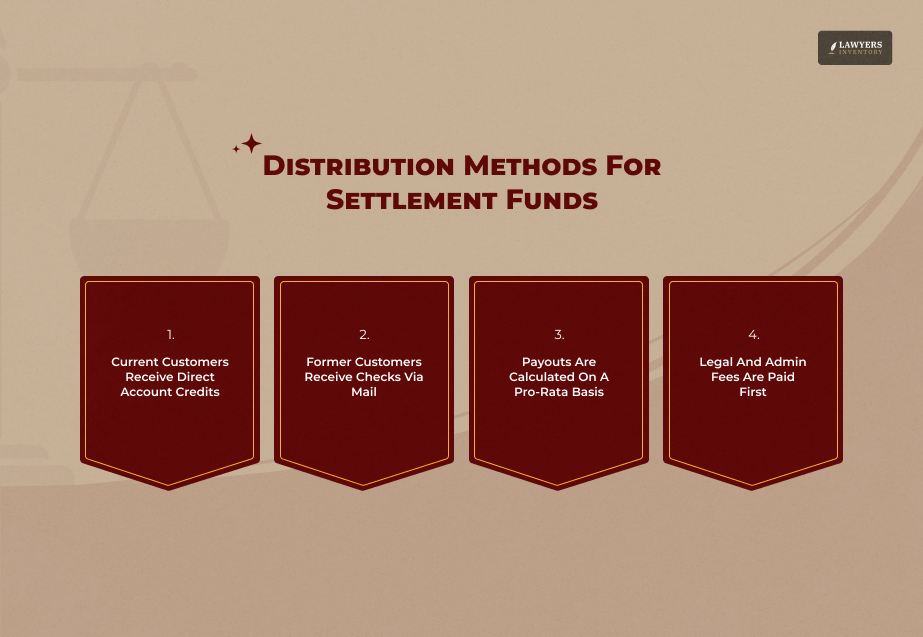
Pro-Rata Payment Calculations
In the Aseltine v BANA Class Settlement, the amount that each individual will receive depends on the number of eligible fees they paid.
Additionally, the authorities in charge will compensate the attorneys and administrators. However, this will happen after the distribution of the “Net Settlement Fund” takes place.
Individuals who paid multiple wire fees will receive a larger share of the fund.
Payout Schedule In 2026
As the final approval has been obtained, the Aseltine v BANA Class Settlement payments are expected to be fully distributed in early 2026.
However, there may be appeals to the final order of the court, although this is not expected at present.
In most class actions, the payment of funds takes place 60 to 90 days after the “Effective Date”.
Read Also: Torrid Discount Class Action Settlement-Your Guide To Eligibility, Benefits, And Deadlines
FAQs – Aseltine V. BANA Class Settlement Questions
The Aseltine v BANA Class Settlement may be confusing for a few people. So, take a look at some of these questions that people often ask:
No, the Aseltine v BANA Class Settlement does not require a claim form for those who were identified through Bank of America’s internal records.
If you are an eligible class member, the payment will be sent to you automatically. Current customers will see it as a credit in their account, while former customers will receive a check at the address the bank has on file.
The deadline to opt out of the Aseltine v BANA Class Settlement was November 9, 2024. If you decided to opt out by then, you reserved the right to sue Bank of America directly for this particular wire fee.
If you did not opt out and remained in the class, then you are now bound by the terms of the settlement and cannot file your own lawsuit regarding this matter.
Aseltine v BANA Class Settlement payments are not considered taxable income if they are considered a refund of the fees you already paid. You should, however, consult with a tax professional regarding your individual case.
You have a protected right to participate in a class action lawsuit, and Bank of America cannot close your account or penalize you for receiving this court-ordered refund.
.
Leave A Reply







Capital One Class Action Lawsuit – Your Rights & What You Need To Know
Read More
The USAA Data Breach Settlement- Your Guide To Claims And Compensation
Read More
Credit One Bank TCPA Robocall Settlement- Everything You Need To Know
Read More
Credit One Bank Class Action Lawsuit- Eligibility And Claiming Your Share
Read More
Income Tax Notice Proposed Adjustment: Meaning, Reasons, & Response
Read More
0 Reply
No comments yet.