Summarize using AI





Prompt copied. Paste it into Gemini.
Listen to this article
Today’s topic: legal document management software.
Nowadays, the legal document management system is an integral part of any modern legal office.
This system enables organizations to store and manage significant amounts of case information in a safe cloud storage facility.
In recent times, from December 2025 onwards, one of the most-watched legal cases has been that of Clio vs. LegalTech Solutions.
The conflict in question concerns data transferability and API access issues. The final resolution of this dispute is bound to shape the way various software systems interoperate.
In addition, a set of new principles called “Cybersecurity for Legal Services” has been introduced by federal regulators.
In this article, we will elaborate on the following:
- The definition and core purpose of legal document management software.
- Current federal and state laws governing legal data in the USA.
- A detailed analysis of the Clio vs. LegalTech Solutions case.
- Top software recommendations and key features for law firms.
So, What Is Legal Document Management Software?
Answer: Legal document management software is a software designed to manage legal documents.
This type of software offers versioning, full-text search, and encryption features. The system differs from general file storage systems since it works seamlessly with billing and court filing systems.
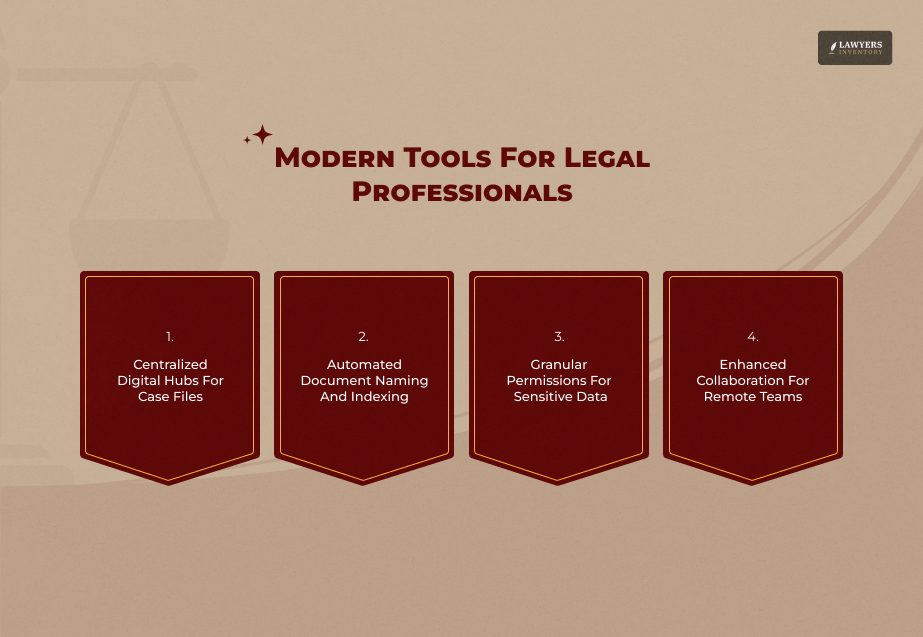
Legal document management software refers to a specialized software application tailored specifically for the life cycle of documents in the law field. The technology involves more than file storage, involving metadata and ethical walls.
In most cases, lawyers begin by reviewing legal document management software before deciding on the appropriate software. This type of technology enables lawyers to locate a needle in the haystack of hundreds of PDFs.
Why Law Firms Need Document Management Software In 2026
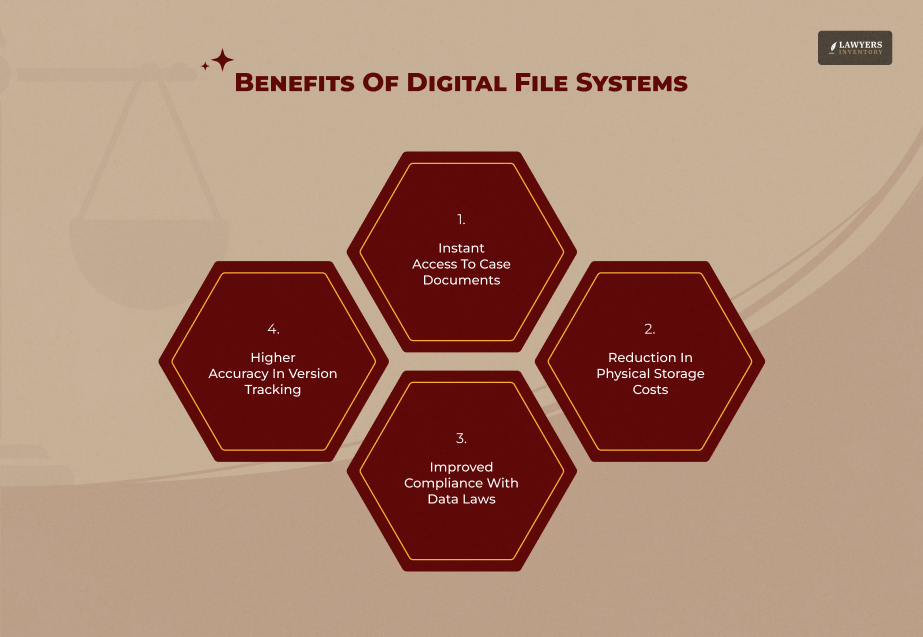
Efficiency is the main motivation to start using legal document management software. Traditional paper solutions result in time losses and increase the risks of security breaches.
Legal professionals work under great pressure to produce their assignments rapidly. With legal document management software, one can access the most recent version of a motion. Besides, it helps to satisfy state bar associations’ requirements of technological proficiency.
Federal And State Laws About Legal Document Management
The legal environment surrounding legal document management software in the United States is complicated. There are multiple laws both on federal and state levels, which aim to protect personal client data.
Federal Cybersecurity Standards
The Federal Trade Commission (FTC) is responsible for data privacy compliance on the national level according to the Safeguards Rule (FTC.gov).
It usually covers financial organizations, but there are some cases where law firms are involved due to the general definition provided in Safeguards Rules.
Besides, HIPAA (HHS.gov) comes into play if a company manages health documents. Thus, legal document management software should provide BAAs.
Privacy Legislation At State Level
Statutes such as the California Consumer Privacy Act (CCPA) and the Virginia Consumer Data Protection Act (VCDPA) require stringent data control practices.
These legislations give consumers the right to know about the stored data and the right to deletion. Therefore, software products for legal documents management should have “right to be forgotten” capabilities.
Otherwise, a client can sue and incur heavy penalties imposed by state attorneys general.
Legal Precedents And Litigation Trends
In 2026, the major legal proceeding is Clio vs. LegalTech Solutions. This dispute began in October 2025, where Clio filed a suit against the third-party application concerning API scraping.
The Case Of API
Clio asserts that the company has proprietary rights to its API and that “data harvesting” poses risks to its consumers.
On the other hand, LegalTech Solutions claims that “data portability” is the right of those law firms that pay for the application’s services. This dispute is very similar to the previous one between LinkedIn Corp. and hiQ Labs, Inc. (SupremeCourt.gov). The question to be answered is whether or not a platform has the right to restrict a competitor’s access to users’ data.
Impact On The Legal Technology Industry
This suit could be a game-changer for document management systems within legal technology.
Should the court rule in favor of Clio, there may well be more ‘walled gardens’ going forward.
But should Clio lose its suit, then look out for a lot more interoperability. Lawyers need to keep an eye on the case.
Key Features To Look For In 2026
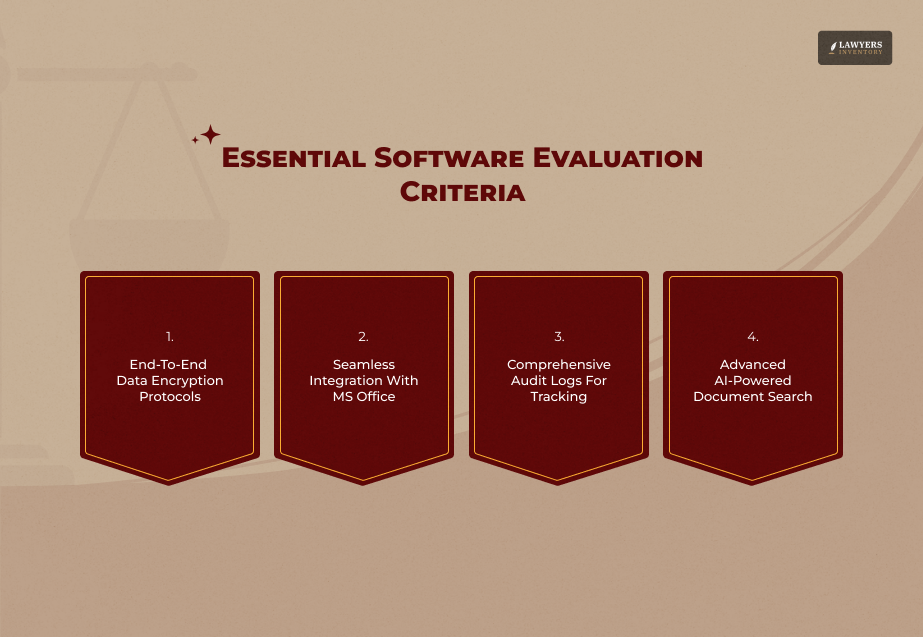
When choosing legal document management software, you must prioritize security and integration. Not all systems are created equal for legal work.
The best legal document management software provides OCR capabilities. This enables the program to scan and understand images.
In addition, version control avoids one lawyer from unintentionally deleting another lawyer’s work.
Version control is a high priority among the criteria of many legal document management software reviews.
Read Also: How Can QuikConsole Help Lawyers And Law Firms?
Best Legal Document Management Software Comparison
The choice of the right legal document management software relies heavily on the size and specialty of your firm. The following are the best legal document management software options for 2026.
Clio And NetDocuments
If your firm is small or medium, then Clio is still the best choice. It provides a comprehensive package with billing capabilities.
Large corporate law firms usually favor NetDocuments because it places heavy emphasis on security.
These legal document management software solutions leverage the latest features to automate the intake process.
iManage And MyCase
When it comes to litigation-intensive practices, iManage is a powerful tool. It leverages artificial intelligence to determine the right place for storing the documents. For sole practitioners, MyCase offers an extremely intuitive interface.
Frequently Asked Questions (FAQs):
Implementing new legal document management software can be intimidating to the uninitiated. Here are some answers to common questions raised by citizens and lawyers alike regarding security and cost considerations.
Most cloud-based options cost between $40 to $100 per month per user. The total cost depends on the amount of storage space and other features included, such as digital signatures. Additional expenses may include the one-time cost of data migration and training for your team.
Yes, legal document management software employs bank-level encryption and multi-layered authentication systems.
These solutions tend to be safer than local systems. They automatically back up all files stored in the system and protect clients’ data from hardware malfunctions and even local hackers.
AI assists lawyers through automated indexing and metadata extraction. It can find patterns across a multitude of files to help attorneys in their discovery process.
Furthermore, it reduces the chance of inputting data incorrectly and enables lawyers to devote time to legal work.
Solo lawyers usually use Clio or MyCase software since they have document management capabilities integrated along with the possibility of billing and calendaring. Such software is inexpensive and does not need an IT department to function properly.
They provide an “all-in-one” solution which makes the life of solo lawyers easier by integrating everything into one interface.
Leave A Reply








How Can You Win A Personal Injury Claim After A Serious Accident?
Read More

Most Popular Yet Weirdest Lawsuits In The Past 5 Years
Read More
Crypto Casino: The Future Of Online Gaming With Digital Currency
Read More
0 Reply
No comments yet.