Summarize using AI





Prompt copied. Paste it into Gemini.
Listen to this article
The controversy of under contract versus pending will provide insight into the workings of the American real estate industry. The use of the terms will give the exact stage of the transaction between the two parties.
The term under contract means that the seller has agreed to sell the property, but several legal processes still need to be undertaken before the transfer of ownership takes place.
The term pending refers to the status where almost all of the legal procedures have been completed.
Up until April 2026, the American real estate market has experienced fast changes in the application of the terms in the MLS listing.
Recent legal changes, such as the historic NAR settlement of 2024, have redefined the behavior of buyer agents in relation to the process.
Currently, the legal issues surrounding clear cooperation rules will affect the speed at which a property transitions from active to under contract versus pending status (Source: National Association of Realtors).
In this article, we will elaborate on the following:
- The core legal definitions of under contract and pending.
- How contingencies affect the transition between these stages.
- The strategic differences between active under contract vs pending.
- Federal and state legal frameworks governing real estate sales.
- Practical advice for making backup offers on these properties.
Defining The Legal Threshold Of Under Contract Status
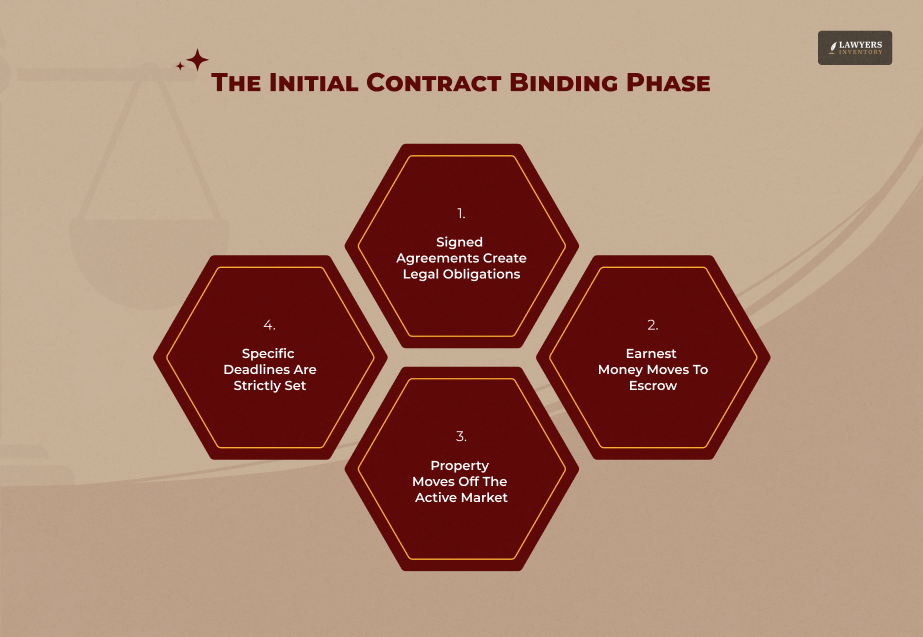
The next major event in the process of selling a property comes through shifting the property from an active state to being under contract vs pending.
This occurs when the two parties involved execute a legally binding purchase agreement.
The Process Behind The Purchase Agreement
In a purchase agreement, there is a mutual agreement where the seller binds himself to sell, and the buyer agrees to buy the property.
This is where the property is said to be under contract, since legally it is already binding (Navy Federal Credit Union).
Earnest Money & Escrow
Once a property is under contract, earnest money should be deposited into an escrow account.
Earnest money refers to money placed as security for one’s good intentions during this period before the property attains the under contract vs pending status.
The Role Of Contingencies In Deal Progression
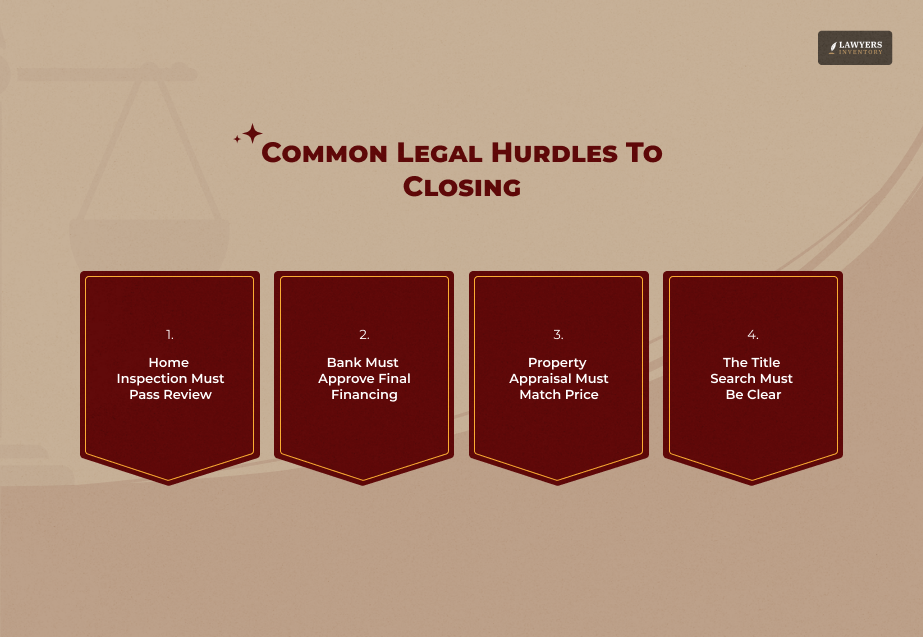
In general, one faces obstacles when it comes to moving from under contract to pending. These are legal safety valves, which let the buyer back out of the purchase while keeping the deposit if some conditions are not fulfilled.
Hurdles Of Inspection And Appraisal
The inspection contingency allows checking the property for any hidden issues before signing.
Also, the under contract to pending process will fail if the house is not appraised for its worth based on the agreed-upon price.
Hurdles Of Financing And Title Contingencies
The majority of purchasers require a mortgage for closing. If the loan application gets denied, there will be a need to end the contract. In addition, it should be noted that a title report proves the ownership and the lack of liens.
Under Contract Vs Contingent Vs Pending
Today, it is crucial for consumers to know under contract vs contingent vs pending. While contingent is the sub-status of being under contract, it implies that the transaction will occur after a certain condition is achieved.
Transitioning From Under Contract To Pending
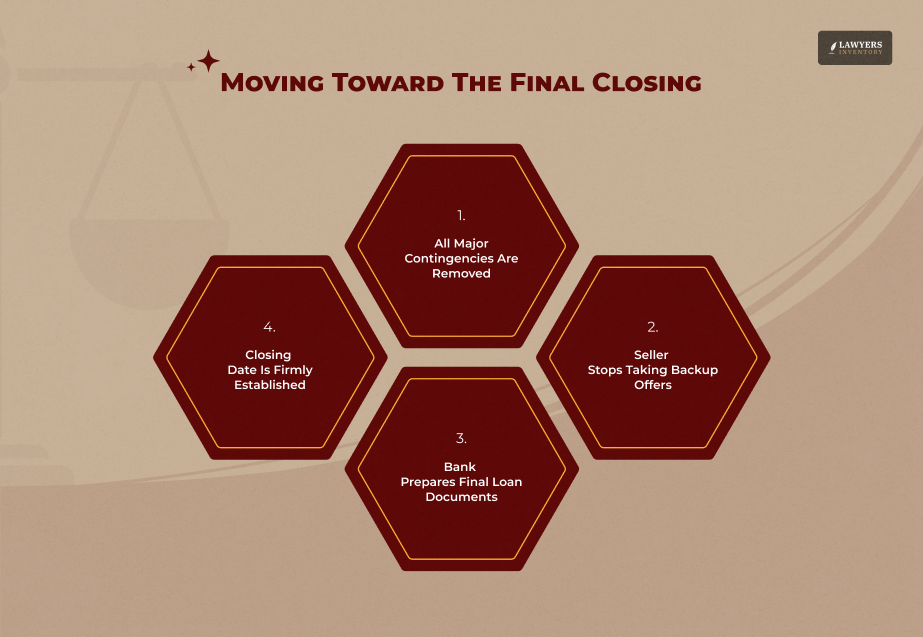
A real estate deal gets closer to being under contract vs pending after all contingencies have been waived.
A pending deal implies that the risk of having the agreement fall apart is greatly reduced.
Satisfying The Contingency Period
Once the inspection period and appraised value period end, the home is considered to be pending. This means that the deal is already legal, and now the only thing left to do is to get the bank money.
What Is Active Under Contract Vs Pending Status
The phrase what is active under contract vs pending pertains to how much a seller wants more buyers.
Active under contract means that they are still accepting backup offers, while pending means that they don’t accept anything else anymore.
Strategic Differences Of Pending Vs Under Contract
The most significant aspect when comparing pending vs under contract would be their timing.
A pending home is just days from being closed, while an under-contract property could even go back into the market.
Federal And State Laws
USA real estate laws guarantee the under contract vs pending procedure to be fair and clear. Though federal laws, such as RESPA, ban kickbacks, state legislation regulates particular contract wording.
Statute Of Frauds Requirement
Each state mandates real estate deals to be done in written form only. One cannot be under contract vs pending by relying on any verbal agreement. Such provision protects each party from any kind of deceit or fraud.
Disclosure And Termination State Laws
In some states, such as California or New York, very strict disclosure obligations are imposed upon sellers.
For instance, if the seller knows about a leak in the building under contract vs pending and does not inform buyers, they will still be liable after the sale.
Case Law – Bhasin v. Hrynew (2014)
Although it refers to Canada, US law uses the principle of duty of honest performance established in this case.
It implies that during the under contract vs pending phase, each side should not mislead the other (Source: Acuity Law).
Strategic Insights And Legal Realities Of Property Statuses
Understanding under contract vs pending requires a broader perspective of the whole situation. These terms are not just a matter of website terminology.
They imply certain real-life legal and financial implications that should be properly understood.
After all, a buyer’s period from signing a purchase agreement till receiving the keys to an apartment is one of the most critical stages. Therefore, it is crucially important to know about the laws involved at this stage.
The Benefits Of Considering Under Contract Property
Often, people are confused about whether it is beneficial to buy the property that is still under contract vs pending. Usually, there are some significant benefits of choosing such a property.
It is important to note that about 15% of all real estate transactions end up being canceled before completion. At the same time, most such transactions fail while the property is under contract.
Normally, it occurs due to problems with house inspection and mortgage denial. The submission of backup offers when under contract vs pending implies moving to the head of the queue.
Timelines And Estate Obligations
The pending phase generally lasts anywhere from one to two weeks. At this point, the bank performs a last-minute credit check on the buyer, while the title company prepares the deed for signing.
Problems arise when a participant in the sale passes away unexpectedly. Real estate sales agreements typically contain an heirs and assigns clause. It implies that the agreement binds the buyer’s estate as well.
Although most property owners would probably agree to allow the grieving family members to void the agreement, the law does not necessarily oblige them to do so.
In some situations, the estate will be required to conclude the transaction or forfeit the deposit.
Sellers’ Restrictions And Violations
When real estate markets are at their hottest, the seller may be tempted to back out of the transaction in favor of a better offer.
Nevertheless, when the seller has committed themselves to selling to a certain individual by putting the property under contract, they are now legally obligated to stick to that promise.
Therefore, the seller cannot merely change their mind and sell the property to another buyer. The seller can only break the contract if the buyer violates the terms set out in the agreement.
Common Pitfalls During The Under Contract Vs Pending Phase
All this period is filled with danger and may result in ruining the whole process if even a small thing goes wrong.
Under contract vs pending transactions, both buyers and sellers are required to be extremely attentive since any deviation from the rules and contract requirements may result in serious problems with legal aspects.
Failing To Meet Contract Deadlines
Any contract for real estate sale contains certain deadlines. It means that missing one of them will have disastrous consequences.
Thus, a failure to complete the transaction before a given date or not completing the required inspection or getting a loan within the timeframe will put the buyer at risk of forfeiting all their rights to return the earnest money deposit.
Forgetting About The Details Concerning Repairs
If the buyer requires repairs, then the wording in the contract is of utmost importance. In case the requirement to make professional repairs is not stated, the seller may choose to do it himself, resulting in poor-quality work.
Thus, under contract vs pending disputes will continue for a long time until lawyers intervene.
The Risk Of Major Life Changes
Buyers might mistakenly make a major financial commitment, such as purchasing a new car, while the property is still under contract but pending.
This will affect your credit score and make it impossible for the bank to finance your mortgage right at the end.
Frequently Asked Questions (FAQs):
It is no wonder that many people find real estate confusing. These FAQ will address some of the issues surrounding the difference between under contract vs pending listings and how one can recover from missed deals.
The simple answer would be yes. You have the right to make an offer if there were to be any problems with the other buyer’s finances, which would allow you to take over the listing. Such cases are typically seen in actively listed under contract vs pending listings.
A pending sale falls through approximately 5 percent of the time. It should be noted that most problems occur when the property is under contract. Buyers tend to become invested in the process and cannot walk away.
Zillow frequently labels listings using the terminology used by the local MLS. “Under contract” could indicate that the listing is open to backup offers. “Pending” generally refers to a “done deal,” except for the signing of the paperwork.
Leave A Reply







Is It Legal To Use True People Search? What Are Its Restrictions?
Read More
Case Is Being Actively Reviewed By USCIS – Meaning And Timelines
Read More
Refund Risk Under Income Tax Demand Notice Section 143(1) Summary Adjustments [A Complete Legal Assessment]
Read More
2026 Rules For The Legal Age Of Marriage In India
Read More
What Is A Wet Signature? Legal Guide And 2026 Rules
Read More
0 Reply
No comments yet.