Summarize using AI





Prompt copied. Paste it into Gemini.
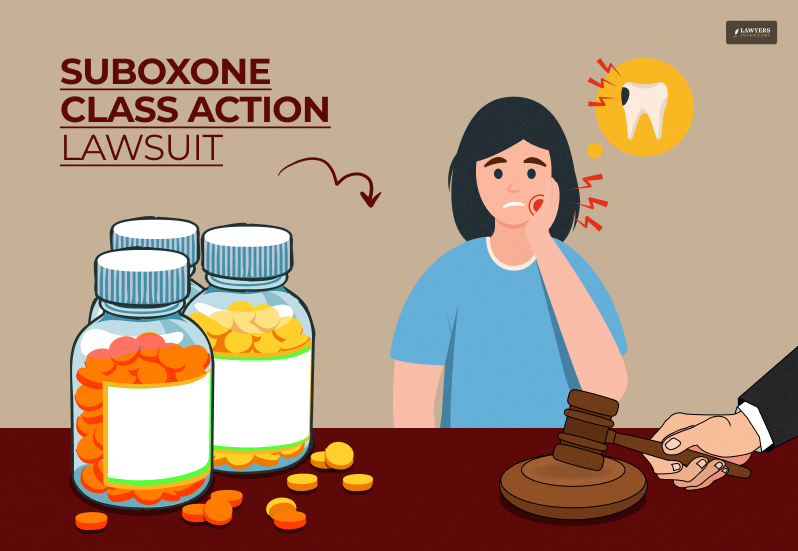
The Suboxone class action lawsuit has become one of the largest product liability cases in history. The case is escalating rapidly across the country. Consequently, it now ranks as one of the largest pharmaceutical product liability cases in recent history.
For decades, public health officials used Suboxone as a critical tool to combat the opioid epidemic. Today, however, the drug faces intense legal scrutiny from federal regulators and injured consumers alike.
This scrutiny marks a major shift in the litigation. Previously, lawyers focused almost entirely on historical marketing practices. Now, the litigation targets severe, permanent physical injuries.
Specifically, thousands of patients across the United States allege that Suboxone sublingual film caused widespread, catastrophic dental damage. These severe injuries include:
- Crumbling teeth
- Severe enamel erosion
- Complete tooth loss
Plaintiffs argue that the manufacturer, Indivior, actively hid these severe oral risks from the public.
As a result, this lack of transparency left vulnerable patients completely unaware of the danger.
Thus, individuals could not protect their health until the chemical damage had already ruined their teeth.
The legal case surrounding Suboxone, similar to the Ozempic lawsuit, offers a key example of the importance of patient rights, informed consent, and ethical standards in the healthcare industry.
What is Suboxone and How Does It Work?

The U.S. Food and Drug Administration (FDA) initially approved Suboxone in 2002. Since then, doctors have prescribed it to treat opioid use disorder (OUD). Mechanistically, the medication combines two active ingredients to manage addiction safely:
| Active Ingredient | Primary Function in the Body |
| Buprenorphine | A partial opioid agonist. It binds to brain receptors to ease withdrawal symptoms and suppress intense cravings without triggering a dangerous “high”. |
| Naloxone | An opioid antagonist. It prevents product misuse. If a patient injects the film, the naloxone triggers instant, severe withdrawal. |
To administer the drug, patients place the film under the tongue (sublingually) or inside the cheek (buccally). Then, the strip dissolves slowly into the bloodstream. [Source: National Depression Hotline]
Initially, the manufacturer marketed this delivery mechanism as a major medical innovation. For instance, they claimed it offered a safer and less addictive alternative to traditional clinic-based treatments like methadone. [Source: NP Addition Clinic]
For years, the medical community praised Suboxone for saving lives. However, recent legal actions highlight a severe, destructive side effect. Specifically, the film’s chemical delivery method exposes patients to severe, long-term oral damage.
Overview Of The Suboxone Class Action Lawsuit
The legal landscape surrounding Suboxone involves two distinct waves of major litigation: historical antitrust violations and active product liability claims.
Initially, the U.S. Department of Justice (DOJ), the Federal Trade Commission (FTC), and various states targeted Suboxone’s manufacturer, Indivior, alongside Reckitt Benckiser (RB Group).
Regulators filed criminal and civil charges accusing the companies of using deceptive marketing tactics and blocking cheaper generic alternatives.
To resolve these massive antitrust and marketing fraud allegations, RB Group paid $2.1 billion in 2019, while Indivior agreed to a $600 million settlement in 2020. Indivior also paid an additional $385 million to drug distributors in late 2023. [Source: Drugwatch]
Here’s a quick summary of claims and current status:
| Litigation Type | Core Legal Allegations | Key Financial / Court Actions |
| Historical Marketing & Antitrust | Monopolistic “product hopping”; deceptive marketing regarding addiction risks. | Total settlements exceeding $3 billion paid to the DOJ, FTC, states, and distributors. |
| Active Dental Injury MDL | Failure to warn that sublingual film acidity causes severe, rapid tooth decay. | Centralized in the Northern District of Ohio under MDL 3092; over 1,800 active cases. |
While Indivior consistently denies all wrongdoing, the litigation has shifted strictly toward physical injuries. Injured consumers across America have filed thousands of cases.
They argue that the company minimized the sublingual film’s health risks and failed to warn that its high chemical acidity destroys tooth enamel.
Consequently, the U.S. Judicial Panel on Multidistrict Litigation consolidated these claims into MDL 3092 in Ohio to prepare for upcoming federal test trials. [Source: About Lawsuits]
The Corporate Backstory: What is “Product Hopping”?
To understand the legal claims, one must look closely at the corporate history. This timeline reveals a controversial pharmaceutical strategy known as “product hopping”.
| Year | Milestone in Suboxone Corporate Strategy |
| 2002 | The FDA approves Suboxone Sublingual Tablets to manage opioid dependency. |
| 2009 | The exclusive patent protection on Suboxone tablets nears its expiration date. |
| 2010 | Indivior introduces the highly acidic Sublingual Film to consumers. |
| 2012 | Indivior removes the tablets from the market, forcing patients onto the patent-protected film. |
Originally, Indivior sold Suboxone as a simple sublingual tablet.
However, as the original 2009 patent expiration approached rapidly, cheap generic versions prepared to enter the market. Naturally, this generic competition threatened to drastically reduce Indivior’s corporate profits.
To protect its market share, Indivior developed and patented the sublingual film strip version. Immediately after, the company launched an aggressive marketing campaign. They aggressively transitioned doctors and patients from the older tablets to the new film.
Then, in 2012, Indivior permanently removed the tablet version from the market. To justify this move, they claimed the tablets posed an accidental poisoning risk to children.
Antitrust regulators argue that this switch represents a calculated monopoly strategy. By removing the tablets, Indivior forced patients onto the newer, patent-protected film.
Thus, this “product hop” successfully blocked generic competition. However, it also forced a massive patient population to use a highly acidic delivery system daily. Ultimately, this corporate choice set the stage for widespread dental injuries.
Understanding the Legal Concepts Related to Class Action Lawsuit for Suboxone
In product liability cases like the Suboxone lawsuits, several key legal concepts play a major role in the claims and proceedings.
But why is it important?
These legal concepts – product liability, failure to warn, and misleading marketing – highlight the importance of transparency and accountability in the pharmaceutical industry, where patient safety relies on access to accurate information.
Therefore, understanding these terms helps make sense of the legal grounds on which patients are challenging the drug’s manufacturer, Indivior, over alleged harm from the drug.
What Is Product Liability
Product liability refers to the legal responsibility that manufacturers, suppliers, or sellers hold for producing or selling a defective product that causes harm to consumers.
In the Suboxone lawsuits, plaintiffs argue that Indivior failed to deliver a safe product or adequately communicate its risks.
Product liability claims typically involve design defects, manufacturing errors, or inadequate warnings.
In this case, the primary focus is on alleged failure to warn and misleading marketing—two issues closely linked to product liability in the pharmaceutical industry.
Failure To Warn
A “failure to warn” claim forms the absolute core of the Suboxone dental lawsuits. Legally, drug companies must clearly inform patients and doctors about all known risks associated with a medication.
Plaintiffs argue that Indivior knew about the high risk of tooth decay for years. In fact, they possessed data from early clinical trials and internal consumer complaints. Yet, the company failed to add a clear warning label until federal regulators finally stepped in.
Attorneys argue that proper warnings would have allowed preventive steps. For example:
- Dentists could have prescribed specialized fluoride rinses.
- Clinics could have scheduled more frequent, preventative cleanings.
- Doctors could have tracked early enamel erosion to prevent permanent tooth loss.
Misleading Marketing Claims
Misleading marketing is another significant allegation in these lawsuits. Patients accuse Indivior of promoting Suboxone as a low-risk, highly effective solution for opioid addiction without adequately disclosing its potential downsides.
In legal terms, misleading marketing claims occur when a company’s advertisements or statements create false impressions about a product’s benefits, risks, or uses.
In the Suboxone case, patients argue that the marketing strategies downplayed the risk of dependency and withdrawal, potentially leading to serious health consequences.
Clear Distinction: Class Action vs. Multidistrict Litigation (MDL)
The media frequently calls this case a “class action“. However, the legal system organized the ongoing dental injury litigation as a Multidistrict Litigation (MDL).
This structural difference directly affects how cases move forward and how courts calculate compensation:
| Legal Mechanism | Case Structure | Compensation Method |
| Class Action | Combines thousands of people into a single lawsuit under one or two representatives. | The court awards a single financial settlement. Then, administrators divide this payout evenly among all members, regardless of individual injury severity. |
| Multidistrict Litigation (MDL) | Consolidates thousands of individual lawsuits under a single federal judge to streamline early proceedings. | Each plaintiff maintains their own independent lawsuit. Therefore, each individual receives a unique payout based on their specific physical and financial damages. |
Currently, the legal system centralizes the Suboxone dental injury cases in the Northern District of Ohio as MDL 3092, overseen by U.S. District Judge Philip Calabrese.
Timeline Of The Suboxone Class Action Lawsuit
The Suboxone dental litigation is moving forward rapidly in federal court. This baseline timeline highlights the key developments leading into the current 2026 proceedings:
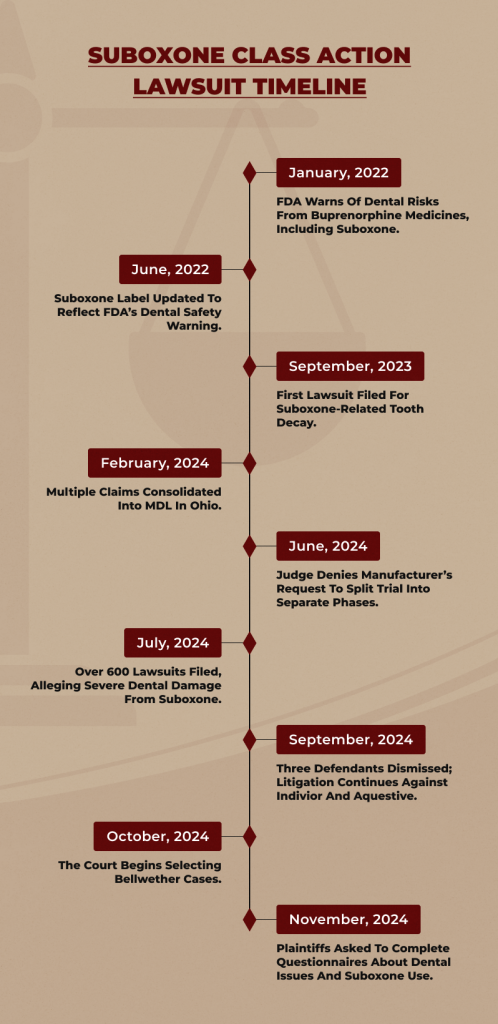
In late 2025, Judge Calabrese narrowed a massive records-collection pool to a core discovery group of 100 specific cases. [Source: Doyle APC Law Firm]
The litigation advances through deep discovery at present. Currently, attorneys for both sides are exchanging detailed plaintiff fact sheets, medical histories, and dental records.
Furthermore, Judge Calabrese is selecting the final representative cases for the upcoming bellwether trials.
As of June 2026, there are 1,833 active lawsuits pending in the centralized federal pool. Additionally, thousands of unfiled claims exist.
The upcoming bellwether trials will serve as critical test cases. Ultimately, they will reveal how real juries respond to the evidence and will directly influence eventual settlement negotiations.
Clear Roadmap For Potential Claimants
If you used Suboxone sublingual film and suffered severe tooth decay, you may have grounds to file a claim. Legal experts outline a specific roadmap to help you evaluate your options:
1. Verify The Timeline
First, you must prove you used Suboxone film before the manufacturer added the warning label in June 2022.
If your use occurred entirely after the warning label change, the manufacturer can argue they properly informed you of the risks.
2. Gather Evidence
Next, your legal team must build a clear timeline connecting your medication use to your oral injuries. Therefore, you should secure:
- Pharmacy Dispensing Logs: These detailed records prove exactly when and how long you filled prescriptions for Suboxone sublingual film.
- Dental Records and X-Rays: These diagnostic charts capture your dental health from before, during, and after your Suboxone treatment. They must show a clear, measurable decline in your oral health.
- Treatment Receipts: These comprehensive bills document major dental procedures like root canals, crowns, tooth extractions, or implants.
3. Consult A Personal Injury Attorney
Finally, because mass tort litigation is highly complex, you should partner with an attorney who specializes in pharmaceutical product liability.
Ensure they have experience navigating active federal MDLs. They can help you submit your documentation before your state’s statute of limitations expires.
Future Outlook: Industry Impact And Settlement Projections
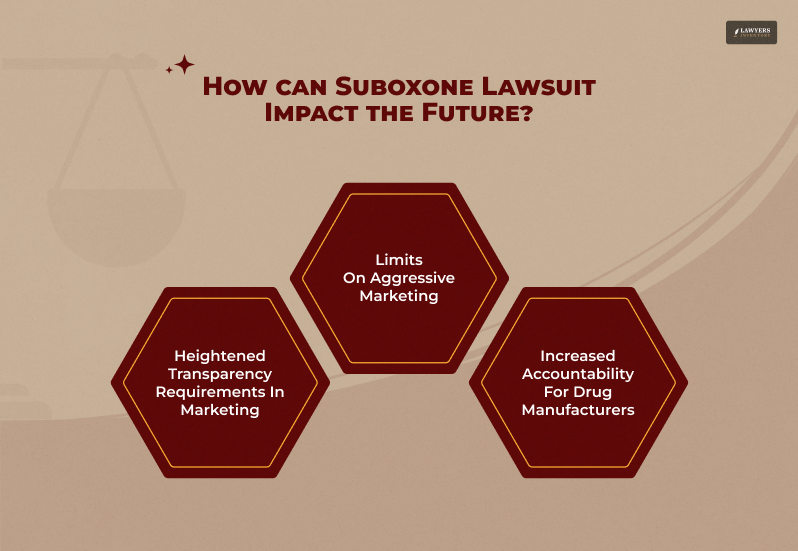
The Suboxone dental MDL will likely reshape how pharmaceutical companies market long-term treatments.
If juries rule in favor of the plaintiffs in the upcoming bellwether trials, it could establish strict precedents for drug safety transparency.
Consequently, regulatory bodies may mandate clearer disclosures of structural side effects on packaging much earlier in a drug’s lifecycle.
Based on similar pharmaceutical mass torts involving permanent, structural injuries, industry analysts project estimated payouts:
| Category | Projected Settlement Amount |
| Estimated Base Settlement | $50,000 |
| Estimated High-End Payout | $150,000 |
Ultimately, three key factors will determine the actual value of each individual case:
- Severity of the tooth loss.
- The total cost of required reconstructive surgeries.
- The overall impact of the injury on the plaintiff’s quality of life.
As of June 2026, the court has approved no settlements for dental injuries. The financial resolution phase will likely begin only after the first bellwether trials conclude.
Read Also:
Leave A Reply






MyChart Lawsuit Guide: Claim Payouts and Eligibility Rules (2026)
Read More
What You Need to Know About Non-Invasive Body Contouring
Read More
Depo Provera Lawsuit: Updates About the Brain Tumor Lawsuit Against Pfizer
Read More
Medical Malpractice Litigation: A Barrier to Progress or a Catalyst for Safer Healthcare?
Read More
How Medical Negligence Cases Have Evolved and How Lawyers Adapt
Read More
0 Reply
No comments yet.