
Having the best legal defense team is essential if you are facing child pornography accusations in Marietta.
I know how serious these accusations under the child pornography laws are and how they can affect a person’s life, freedom, and reputation.
For this reason, it is ideal that you pick a company with extensive experience in this intricate area of law. Their experience enables them to offer strategic, informed, and sympathetic counsel.
Charges of child pornography involve serious legal ramifications, such as possible jail time and permanent registration as a sex offender.
A fair trial and a thorough presentation of your side of the story are guaranteed when you choose a law firm whose first aim is to defend your rights actively.
Furthermore, they rigorously investigate all potential defenses and, when necessary, contest the evidence.
Choosing the right defense lawyer is essential for anyone accused of such serious offenses.
Their team is committed to safeguarding your future and providing the necessary support throughout the legal process.
Additionally, they believe in maintaining open communication to keep you informed and prepared at every stage of your case.
Learn more about Marietta Child Pornography Defense Lawyer.
Understanding Child Pornography Laws In Marietta:
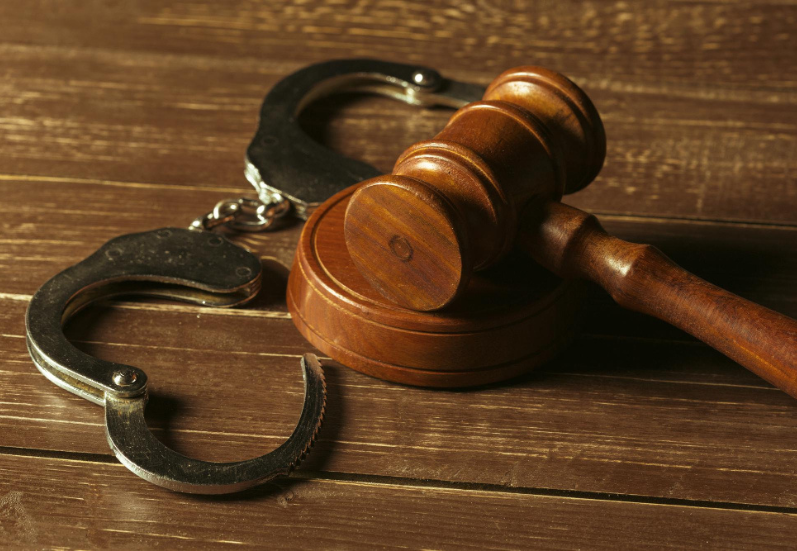
As federal and state laws evolve, understanding the nuances governing child pornography laws in Marietta is crucial.
Federal statutes, Supreme Court rulings, and legal definitions shape our comprehension of these laws.
It is important for you to understand something. Under the child pornography laws in Georgia, as well as the Federal laws, any form of sexually suggestive images of a minor is illegal to produce, watch, or possess.
In other words, you do not have to be involved with the child in a sexual activity for you to face criminal charges.
If you have an image of a child (a minor) in your possession that is sexually explicit, you will face the charges.
Definition And Legal Boundaries:
Firstly, child pornography laws under the United States government generally include any depiction of sexually explicit conduct involving minors.
This definition is unequivocally broad to ensure comprehensive protection.
Obscenity laws play a significant role, often assessed under Miller v. California’s framework.
Any material failing to meet the criteria of literary, artistic, political, or scientific value is considered obscene and unprotected by the First Amendment.
Virtual child pornography introduces complex legal challenges.
While actual images are illegal, virtual depictions—unless deemed obscene—may sometimes fall under protected speech, as seen in earlier cases.
Evolution Of Federal Statutes:
Secondly, federal laws, including the PROTECT Act 2003, aim to strengthen child protection.
Furthermore, this act criminalizes the possession, distribution, and production of child pornography, closing loopholes found in earlier legislation.
The act emphasizes stricter sentences and harsher penalties. Its provisions include severe sentencing for those convicted under these laws, reflecting society’s zero tolerance toward exploitation.
Evolution in federal statutes indicates a continuous effort to counter digital and technological advancements.
This approach strives to keep legislation in step with emerging threats in child exploitation.
Supreme Court Rulings:
The Supreme Court of the United States has significantly influenced child pornography laws.
Landmark rulings like Ashcroft v. Free Speech Coalition have defined the boundaries of what constitutes protected speech.
In Ashcroft, the court struck down provisions that outlawed virtual child pornography, clarifying that the First Amendment protects non-obscene virtual content.
Additionally, this decision underscores the complexity of balancing free expression and child protection.
Supreme Court decisions have repeatedly reinforced the government’s mandate to protect children while carefully navigating First Amendment rights.
Moreover, these rulings often prompt legislative adjustments, ensuring more precise legal frameworks are in place.
The Role Of Marietta Defense Lawyers:
In Marietta, defense lawyers play a crucial role in safeguarding the rights of those accused of serious offenses under the child pornography law.
Besides, their primary goal is to ensure fair treatment under the law by providing strategic legal representation.
Defending Against Allegations:
First, defending against allegations requires a detailed understanding of the charges and possible implications.
They analyze every aspect of the case, offering their clients insights into the legal process.
This involves meticulous examination of all available evidence to identify any weaknesses.
Their team supports clients through each stage of the proceedings, ensuring they have all the necessary information and preparation.
Additionally, building a strong case relies heavily on identifying procedural errors or a lack of credible evidence.
By focusing on these aspects, they work to achieve the best possible outcomes for clients.
Defense Strategy And Negotiation:
Secondly, an effective defense strategy starts with a comprehensive review of the facts of the case. The lawyer then designs a plan that aligns with the client’s best interests.
Furthermore, negotiation is often a key component of their strategy, allowing them to engage with prosecutors to reduce charges or explore alternative resolutions.
Their negotiation skills are pivotal in securing favorable terms. They prioritize open communication and transparency throughout this process and inform the client of any developments.
Challenging Evidence:
Challenging evidence is a fundamental aspect of their defense work. They scrutinize the evidence presented against their clients to uncover inconsistencies or procedural violations.
Additionally, their objective is to challenge any evidence that may not adhere to legal standards.
They use expert witnesses when necessary, bringing in specialized knowledge to dispute and clarify complex aspects of the evidence.
Moreover, this thorough approach often plays a critical role in diminishing the prosecution’s case.
The Investigation Process Under Child Pornography Laws:
In child pornography cases, the investigation process is a complex and multi-step operation involving various methods and technologies.
They explore how law enforcement conducts these investigations, the role of information technology, and the rights of individuals accused of possessing such materials.
Law Enforcement Procedures:
Law enforcement follows a rigorous protocol when investigating child pornography cases. They often begin with intelligence gathered from online monitoring and tip-offs.
Specialized units handle these sensitive cases, ensuring expertise in child welfare and cybercrime.
Search warrants are vital for obtaining evidence from digital devices and online accounts. Officers meticulously gather data to build a strong case.
Additionally, they coordinate closely with forensic specialists to ensure the integrity of evidence. They balance justice and the protection of rights by adhering to strict legal procedures.
Use Of Information Technology In Investigations:
The advancement in information technology plays a crucial role in uncovering child pornography.
Digital tools and software help trace the origin and distribution of illegal material. Identifying IP addresses and analyzing digital trails are essential.
Forensic software extracts and recovers data from devices, even deleted files. They use data analytics to identify patterns and connections among the individuals involved.
Furthermore, collaboration with tech companies often helps access critical online information.
This technological edge enhances their ability to prosecute effectively while respecting privacy norms.
Rights Of The Accused:
Ensuring the rights of the accused remain fundamental. Individuals suspected or accused of possessing child pornography are presumed innocent until proven guilty.
Legal representation is a right, and they must ensure fair trials and access to resources for defense.
Accused individuals are entitled to protection against unlawful searches and seizures. Due process is followed meticulously to prevent any violations.
They must carefully present evidence obtained ethically, underscoring the need for a balanced approach that respects legal rights and societal safety.
Read Also:
- What to Do If You Are Falsely Accused of a Sex Crime
- Sexual Assault Lawyer: Know How to Choose the Right One!
- Quid Pro Quo Harassment: What To Do If Your Office Superior is Harassing You?
Leave A Reply







What Happens In A Mistrial? And What Every Defendant Needs To Know Immediately After
Read More
What Happens If A Jury Is Hung Twice? The Legal Answer Explained
Read More
Voyeurism As A Crime In The UK: Law And Legal Consequences Explained
Read More
What Is Wanton Endangerment? Is The Breonna Taylor Case Related To It?
Read More
How Can Criminal Identity Theft Occur And Your Legal Standing
Read More
0 Reply
No comments yet.